US Army Grants Private Drone Developers Access to Training Sites to Speed Up Innovation
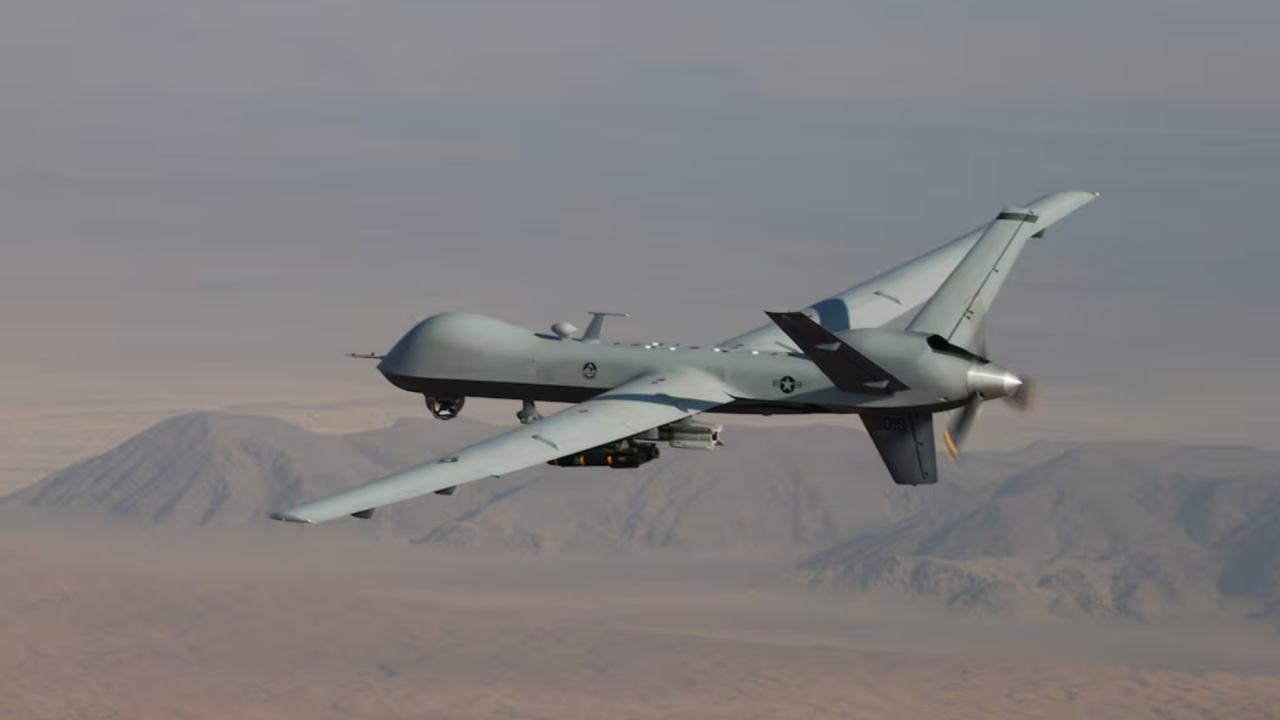
In a major expansion of its partnership with the private sector, the U.S. Army is unlocking its specialized training grounds for commercial drone builders to conduct testing. This major policy change eliminates a historical barrier, enabling private enterprises to apply for access to these state-of-the-art sites without needing an active government contract.
In the past, drone creators generally had to hold a government contract or participate in a joint initiative to set foot in the Army's secure testing zones. The updated procedure is designed to simplify the R&D pathway for commercial entities, granting them access to specialized equipment and knowledge that would normally be inaccessible. This shift is projected to quicken the pace of technological breakthroughs for drones used in multiple industries.
The program spans five separate military bases positioned across the United States and Morocco. These locations are fully prepared to support demanding evaluation procedures, offering private firms structured, true-to-life settings to measure the reliability, strength, and overall performance of their unmanned aircraft in varied environments. Such opportunities are expected to be highly beneficial for confirming the viability of new designs and features.
This represents a major breakthrough for commercial developers. Utilizing military-grade test ranges provides a degree of authenticity and protection that is hard to find at civilian test sites. It gives businesses the chance to test the limits of their aerial platforms—evaluating everything from navigation in difficult landscapes to battery life and durability under harsh conditions—all while avoiding the immense expense of building their own high-end testing facilities.
For the military, the initiative serves as a proactive measure to maintain its technological edge. By welcoming private-sector creators into its evaluation facilities, the Army secures early insight into pioneering drone tech emerging from the civilian market. This setup could help spot high-potential platforms for eventual adoption into defense frameworks, creating a more responsive procurement process.
This initiative highlights a growing movement to capitalize on dual-use technologies, where commercial breakthroughs can simultaneously support national security needs. By cultivating a more accessible environment for private industry participation, the U.S. Army aims to harness the swift momentum of commercial R&D in the field of unmanned aircraft.
The revised policy is expected to trigger a fresh surge in drone advancement, paving the way for more durable, adaptable, and sophisticated unmanned platforms. As this initiative gets underway, the synergy between military infrastructure and private-sector creativity could reshape the future of unmanned aviation, influencing both civil markets and national security paradigms.



Comments (0)
Be the first to comment.
Join the discussion