The Crucial Role of Proximity Sensors in Today's Smartphones
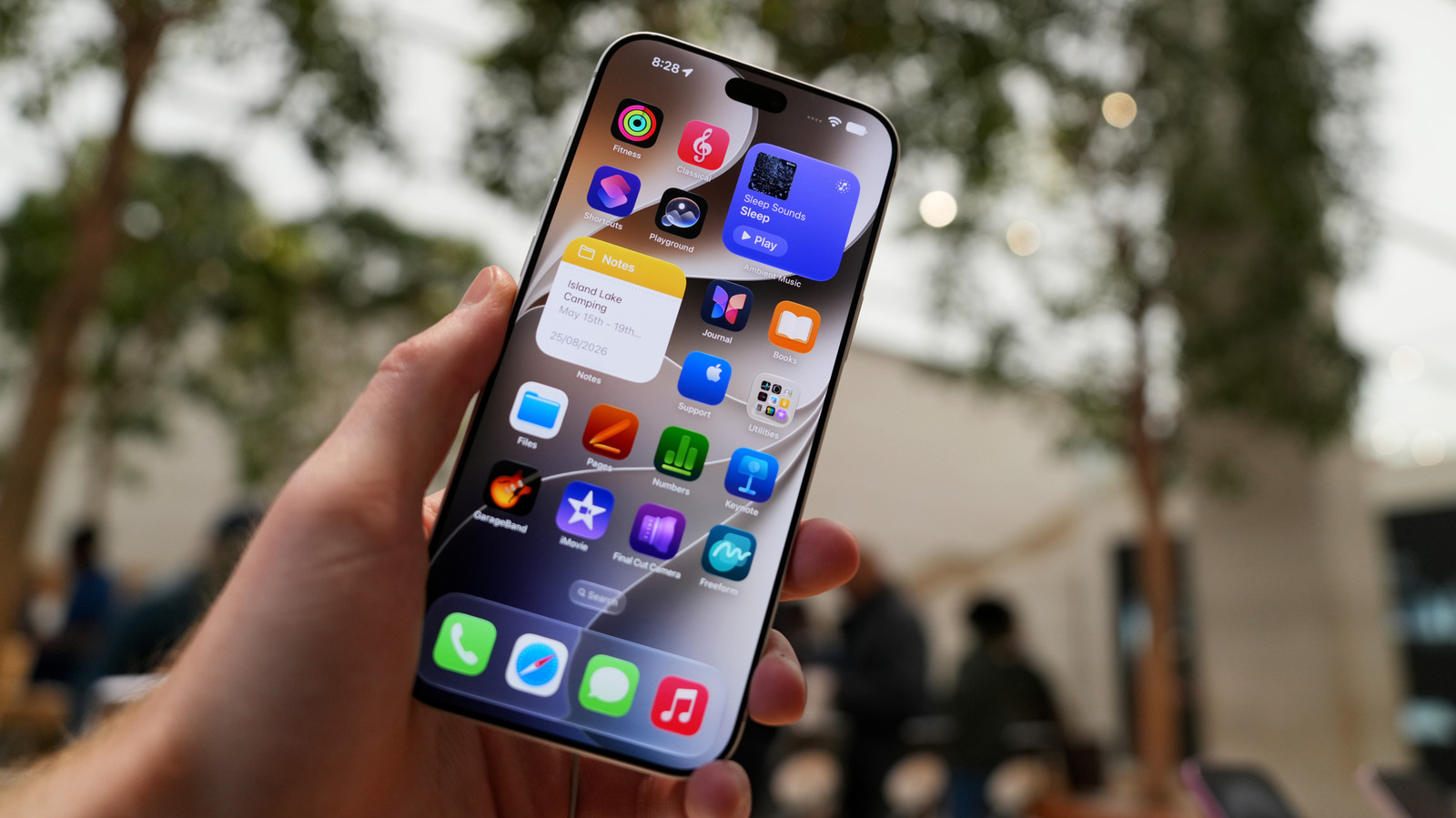
A largely unseen part that powers smartphones is the proximity sensor. Mounted close to the front‑facing camera, this small infrared emitter paired with a detector senses when something—usually the wearer’s face—is near the display. Upon detecting such closeness, the phone automatically turns off the touchscreen and silences the speaker, averting inadvertent touches and stray sound during phone calls.
Its function goes further than just call courtesy. The sensor enables automatic dimming when the device slips into a pocket, aids gesture‑based interactions, and underpins adaptive display systems that modify brightness according to the phone’s distance from the eye. Lacking this hardware, users would face regular disruptions—mistaken button taps while talking and speaker volumes that could annoy people nearby.
Nearly every contemporary smartphone includes a proximity sensor, as it is a cheap, low‑energy part that markedly enhances the user experience. Its infrared beam is unseen, enabling dependable operation across lighting environments—from bright sunlight to low‑light interiors. Such dependability is vital for preserving call quality and ensuring the display powers down when it ought to.
In addition to routine tasks, proximity sensors support safety and accessibility features. Certain phones, for instance, employ the sensor to activate “raise to wake” or “flip to mute,” cutting down on manual input. For assistive technology, it offers users with reduced dexterity a way to operate the device via straightforward, touch‑free commands. Removing these functions would force developers toward more intricate software workarounds that drain more power and may never match the smoothness the hardware delivers.
Looking forward, proximity sensors are set to stay indispensable as phones move toward larger, immersive screens and foldable designs. With expanding displays and bezel‑free aesthetics, the sensor’s capacity to curb unintended touches becomes ever more critical. Even if future advances embed its function within other parts, the fundamental requirement for accurate distance sensing will endure, guaranteeing that this modest component remains the backbone of many conveniences users presently assume.


Comments (0)
Be the first to comment.
Join the discussion