Surround‑Sound Setups vs Soundbars: Balancing Immersive Audio with Ease of Use
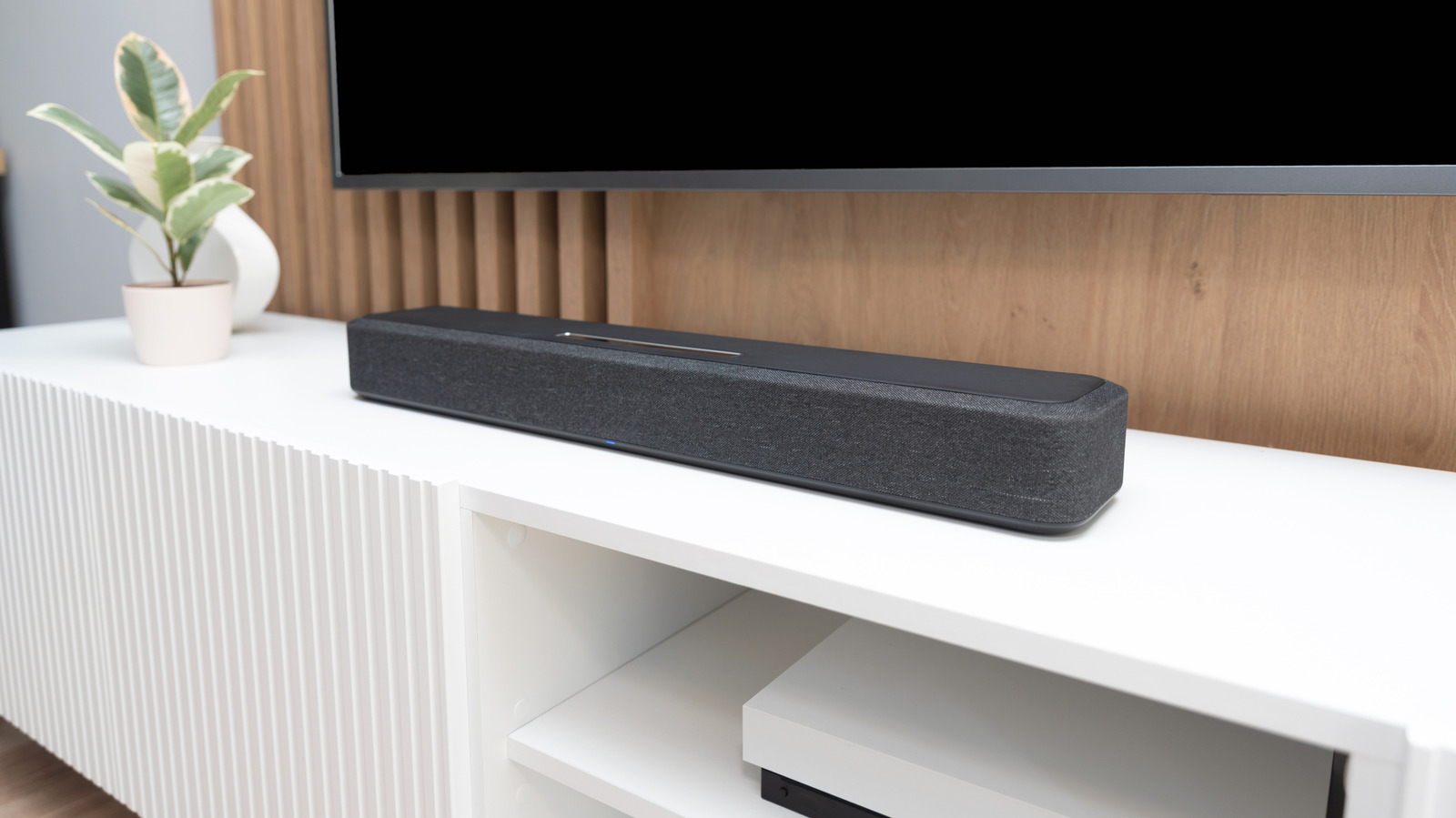
Both homeowners and renters face a common choice: to spend on a comprehensive surround‑sound system or to choose the streamlined ease of a soundbar. The verdict depends on how much importance they assign to immersive sound, installation difficulty, available space, and total expense.
For many, soundbars are the preferred option as they merge a small footprint with plug‑and‑play convenience. One chassis, usually accompanied by a modest subwoofer, can sit beneath a TV and hook up via a single cable, offering a clear improvement over the TV’s built‑in speakers without requiring wall mounts or careful speaker positioning.
Conversely, an authentic surround‑sound arrangement spreads sound over several channels—generally five or more satellite speakers, a central dialogue driver, and a dedicated subwoofer. Such a layout generates a three‑dimensional soundstage capable of accurately rendering directional cues, giving movies, games and music a more realistic feel. Yet it requires speaker wiring, level calibration, and optimal seating placement, which introduce added complexity and cost.
Buyers need to balance a few practical factors. Convenience points to the soundbar: quick installation, fewer wires, and a look that fits contemporary décor. Space also matters; a complete speaker set demands ceiling or wall mounts and ample room to prevent acoustic clashes. Financial limits frequently sway the decision, since entry‑level surround packages can cost multiple times the price of mid‑range soundbars, even though pricing varies greatly by brand and features.
The marketplace mirrors these compromises. Entry‑level soundbars are priced at roughly $150 and can rise to $500 for units featuring virtual surround processing and Dolby Atmos. Complete surround kits start at about $400 for low‑cost brands and exceed $2,000 for high‑end, calibrated configurations. For purchasers, the cost gap encompasses not only the equipment but also the labor and know‑how required to set up and fine‑adjust a multi‑speaker system.
Aficionados who value a cinema‑like experience frequently deem the expense justified. Dedicated home‑theater spaces, spacious living rooms, and avid gamers gain from the exact positioning of front, center, and rear speakers, which can deliver nuanced ambient noises and directional effects that a soundbar can only mimic, not fully reproduce.
On the other hand, for those whose main activities involve streaming TV series, occasional films, or casual gaming in small apartments, a premium soundbar can provide adequate clarity and bass without the burden of extra equipment. The emergence of soundbars that emulate height channels and handle object‑based audio formats reduces the disparity between the two options.
Looking forward, makers are erasing the distinction by embedding sophisticated processing, upward‑firing drivers, and wireless rear modules into soundbar lines, offering deeper immersion at reduced prices. As these innovations mature, the selection is expected to evolve from a simple either‑or to a continuum of solutions suited to each user’s space, budget, and sound aspirations.
In the end, buyers ought to evaluate their media‑consumption habits, gauge the available area, and, when feasible, test both alternatives. A properly positioned soundbar can meet the majority of daily requirements, whereas a genuine surround system stays the gold standard for anyone craving the utmost sense of presence in home audio.



Comments (0)
Be the first to comment.
Join the discussion