Norwegian Military Uncovers Continuous Dashcam Recording in Leased Chinese Cars
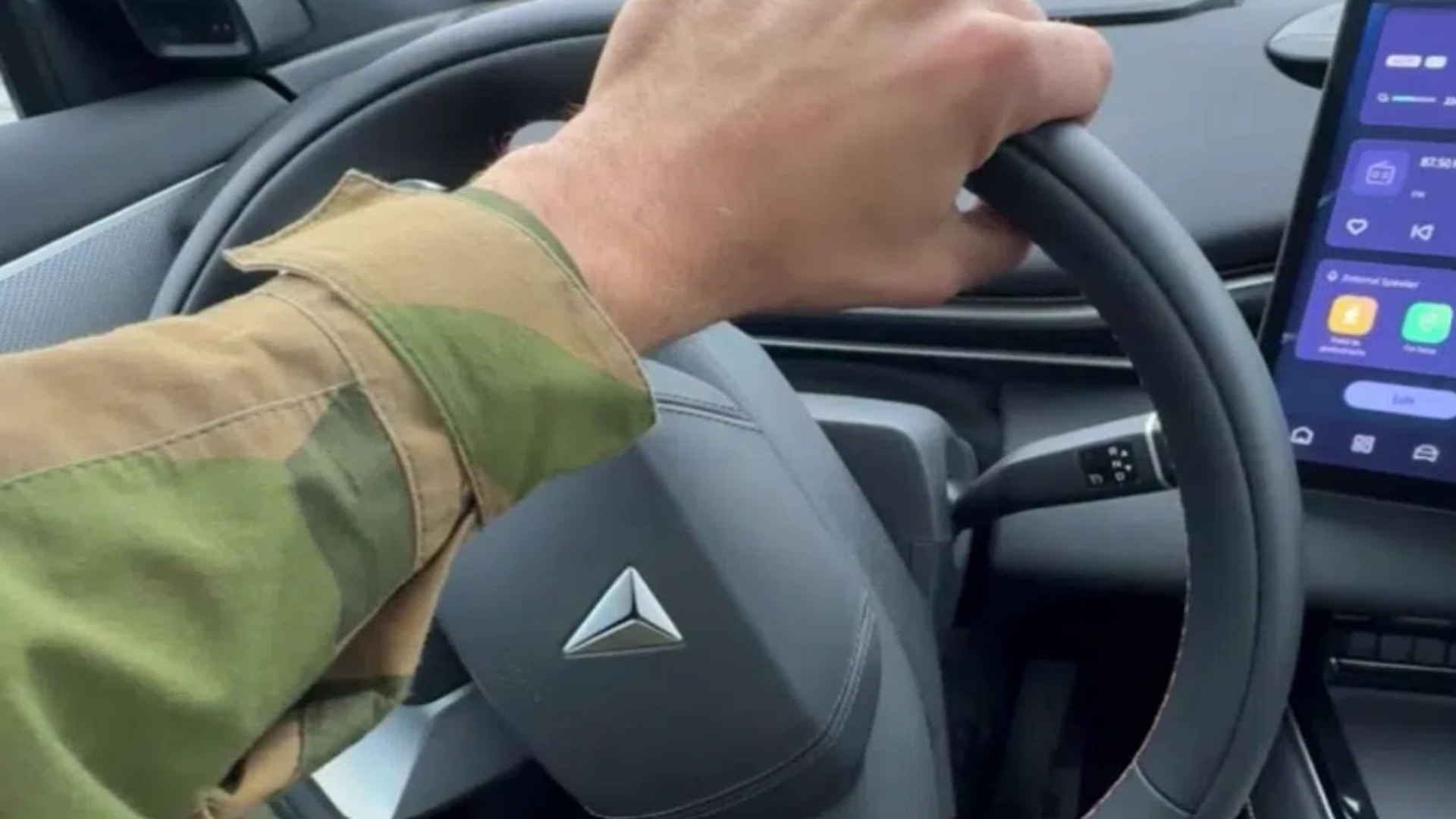
The Norwegian Armed Forces found that a number of leased vehicles from a Chinese maker were constantly capturing video throughout training drills, leading to an internal audit of procurement practices and data‑privacy measures.
The army’s logistics department explained that the cars—fitted with factory‑installed dashcams required under Chinese law—automatically recorded soldiers getting into the vehicles, shifting within them and inputting security codes on the dashboards. The presence of these recordings was not communicated to the personnel when the cars were rented.
Service members who spotted the footage after the drills alerted their commanders and then deleted the video files. This erasure took place prior to any official inquiry being able to secure the material, sparking worries about loss of evidence and the management of classified operational information.
The episode unfolded amid a scarcity of alternative transport for the military. A deficit of locally produced vehicles compelled the forces to depend on short‑term rentals to satisfy mobility requirements during training, a trend that has grown as defence spending contracts.
Dashcams are commonplace in numerous Chinese‑made automobiles to meet domestic traffic‑monitoring regulations, yet their deployment in overseas military settings remains ambiguous. Analysts point out that while these cameras can supply useful information for reconstructing accidents, they also introduce privacy and security concerns in high‑sensitivity contexts.
The Norwegian defence ministry announced it will review the rental contract’s clauses and consider implementing extra safeguards—like turning off recording capabilities—for future acquisitions. The situation highlights the difficulties armed forces encounter when incorporating commercial technology into operational environments, particularly when the gear comes from regions with divergent data‑collection practices.



Comments (0)
Be the first to comment.
Join the discussion