Legacy GPU Prices Surge Amid Worldwide VRAM Shortage
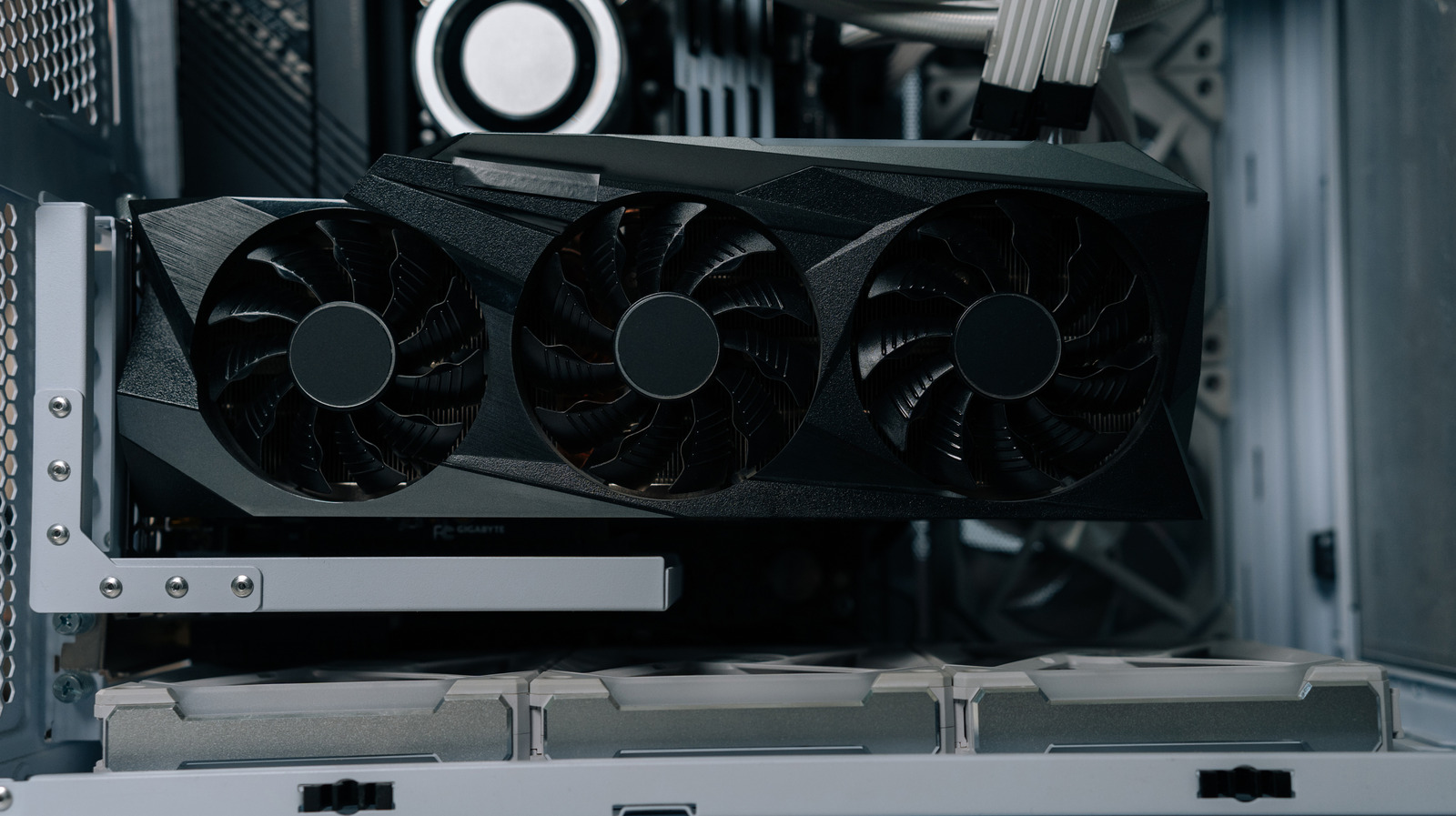
With the tech sector still wrestling with an ongoing lack of video memory, owners of older graphics cards are finding that their formerly outdated equipment can command unexpectedly high prices on the resale market.
Enthusiasts have labeled the trend “RAMaggedon,” which arises from several intersecting causes: a boom in high‑resolution gaming demand, the expansion of AI‑powered software that heavily leans on GPU memory, and supply‑chain hiccups that have curtailed the output of new cards equipped with generous VRAM.
While recent models tend to favor efficiency rather than sheer memory size, a number of legacy GPUs—especially those launched in recent years sporting 8 GB or more of dedicated RAM—now provide a scarce blend of compatibility and performance attractive to cost‑aware buyers. Marketplace listings reveal these cards fetching premiums that surpass their original retail prices.
Analysts point out that the shortage of high‑VRAM chips extends beyond graphics cards, impacting server‑grade accelerators and even consumer laptops. This wider “RAMaggedon” has prompted hobbyists, boutique studios, and cryptocurrency miners alike to comb online marketplaces for any functional inventory, pushing resale prices upward across the spectrum.
Although the pattern offers sellers a brief windfall, experts warn that it could be fleeting. Forthcoming product cycles from leading manufacturers are slated to deliver larger memory capacities, and firms are said to be increasing wafer production to ease the bottleneck. Still, present market conditions grant owners of older, memory‑rich GPUs a unique chance to cash in on hardware that might otherwise remain unused.
Prospective buyers should inspect the condition of used cards, confirm any firmware updates, and verify system compatibility. As the RAM shortage subsides, the premium on legacy GPUs may diminish, yet for the moment “RAMaggedon” has transformed yesterday’s technology into today’s concealed treasure.

Comments (0)
Be the first to comment.
Join the discussion