GoPro Revamps Mission 1 Pro, Targets More Than Just Action Filming
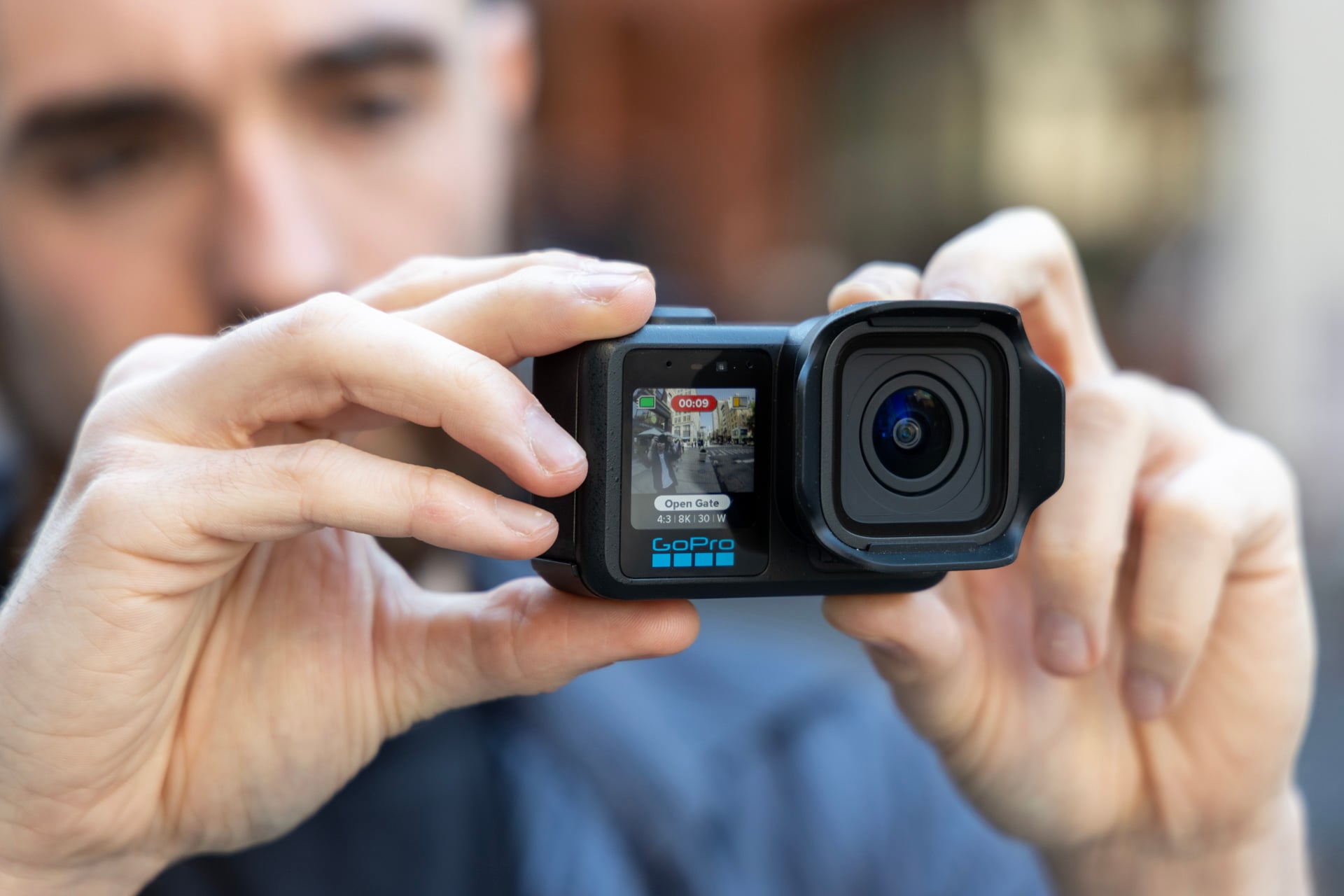
GoPro unveiled a major refresh for its Mission 1 Pro series, tackling the chief technical flaw that has historically confined the cameras to pure action‑sport scenarios. The remedy, implemented via a hardware revision together with a firmware update, removes the overheating bottleneck that once compelled users to truncate recordings or steer clear of demanding lighting environments.
The first‑generation Mission 1 Pro units earned acclaim for their sturdy construction, high frame‑rate options, and pocket‑size design, yet professionals soon encountered heat‑related shutdowns during lengthy shoots. This drawback prevented the cameras from rivaling larger cinema‑grade rigs in documentary, wildlife, or corporate production work where uninterrupted capture is vital. By re‑engineering the internal heat‑sink layout and fine‑tuning power management, GoPro now delivers markedly longer continuous recording periods.
In addition to the thermal solution, the firm has expanded the camera’s software arsenal to feature flat‑color profiles and a broader range of bitrate settings—tools that are commonplace in professional video pipelines. These upgrades grant editors more latitude in post‑production color grading and help curb compression artifacts when outputting high‑resolution footage. The initiative underscores GoPro’s aim to position the Mission line as a credible option for creators seeking durability without compromising image quality.
Analysts observe that the enhancement arrives as the market for compact, high‑performance cameras continues to grow. Content makers are increasingly looking for gear that can shift from extreme‑sports shoots to indoor interviews or product demos without swapping equipment. By eradicating the heat issue, GoPro lessens the reliance on external cooling accessories, simplifying the production kit and reducing overall expenses for freelancers and small teams.
Although the upgrades mark a noticeable advance, experts warn that they may not be enough to dethrone established cinema cameras in big‑budget projects. Constraints such as sensor size, dynamic range, and lens ecosystem still place GoPro behind conventional broadcast gear. Still, the refreshed Mission 1 Pro is poised to attract independent filmmakers, journalists, and marketers who value portability and ruggedness.
Looking forward, GoPro has hinted at additional refinements, including possible sensor upgrades and tighter integration with editing software. Should the company keep closing the remaining gaps, the Mission line could shift from a niche action‑camera offshoot to a mainstream instrument for a wider spectrum of visual storytelling.


Comments (0)
Be the first to comment.
Join the discussion