Cyclists Debate Bike‑Specific Computers Versus Phones: When the Upgrade Is Worth It
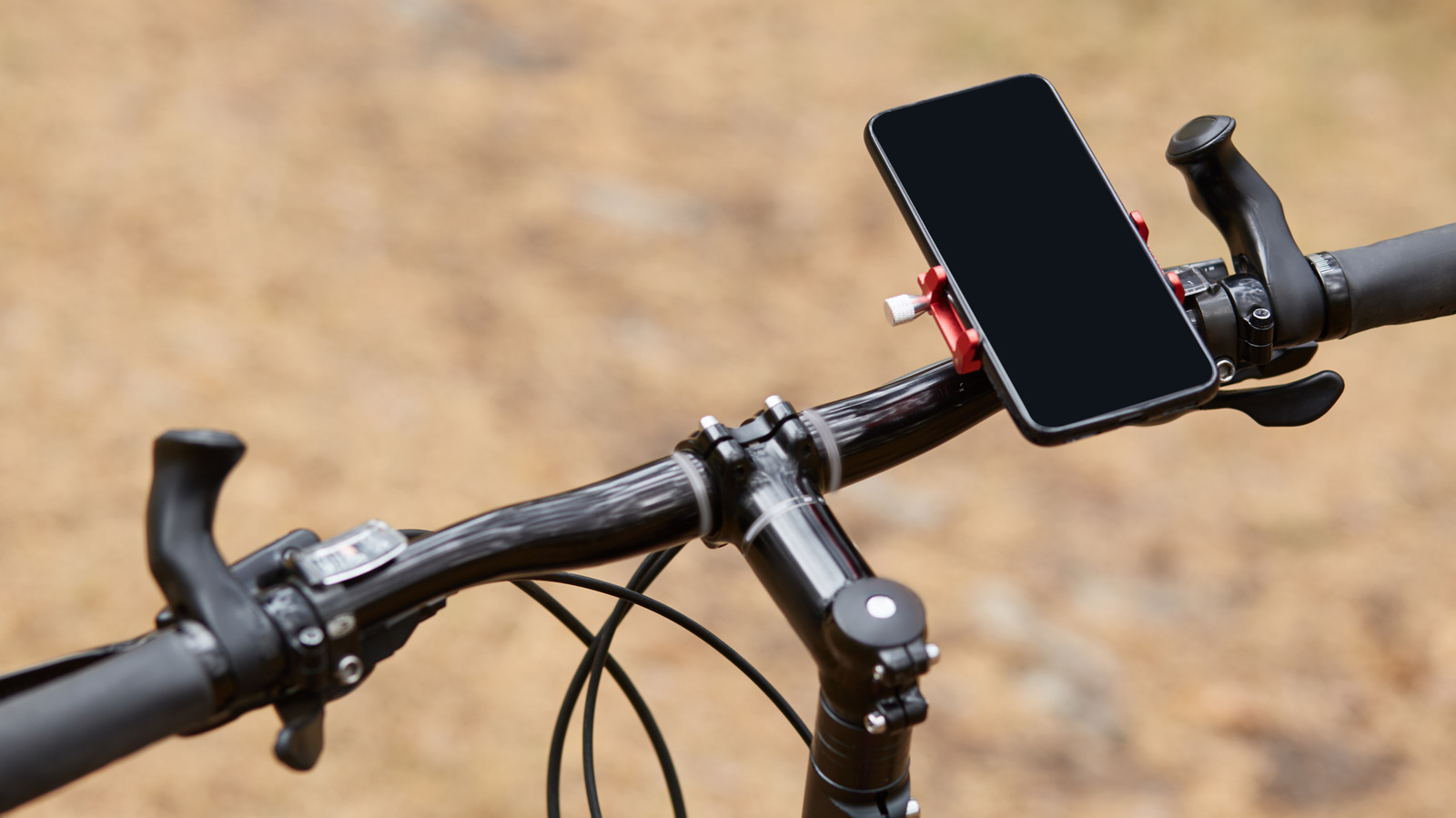
Many cyclists find that a smartphone’s convenience is enough for logging distance, speed and finding new routes, yet an increasing segment is asking whether a dedicated bike computer delivers sufficient benefits to warrant its higher price.
Phones shine at providing turn‑by‑turn navigation, pushing ride statistics to social networks and running a plethora of fitness applications, all from a gadget most riders already own. Still, those strengths come with compromises that become apparent on extended outings or in tough conditions.
Battery longevity tops the list of concerns. Even with power‑saving tweaks, a phone’s charge can dwindle after only a few hours of GPS use, leaving the rider without navigation or performance tracking. In contrast, bike computers are engineered to last a full day—or several days—on one charge, thanks to their smaller, purpose‑built displays and limited background activity.
Durability is another consideration. Smartphones are exposed to rain, dust, mud and constant road vibration. While waterproof cases exist, they add bulk and may still fail to absorb sudden shocks. Bike computers, however, are constructed to meet rugged outdoor standards, featuring sealed enclosures, reinforced lenses and mounting solutions that keep the unit firmly attached to the handlebars.
Readability while riding also matters. A bike computer typically offers a high‑contrast, anti‑glare screen that can be glanced at without taking eyes off the road. Some models even provide larger digits or customizable data fields, making it simpler for cyclists to keep an eye on cadence, heart‑rate or power without distraction.
Beyond basic numbers, dedicated units can pair with sensors like cadence meters, power meters and heart‑rate straps, delivering real‑time information that many phone apps struggle to handle as accurately or promptly. This level of integration is especially useful for training‑oriented riders who need precise, instant feedback to tweak effort on the fly.
In the end, the choice depends on how a rider weighs convenience, expense and performance needs. For occasional commuters or short leisure rides, a phone may remain the most sensible tool. For long‑distance cyclists, racers or anyone tackling harsh weather, the robustness, battery endurance and specialized functions of a bike computer can make a tangible difference. As advancements blur the line—through better battery chemistry, ruggedized phones and hybrid gadgets—the market is likely to present more solutions that blend the strengths of both approaches.
Comments (0)
Be the first to comment.
Join the discussion