Ancient Myths Presaged Modern AI: How Old Tales Anticipated Today's Machine Learning
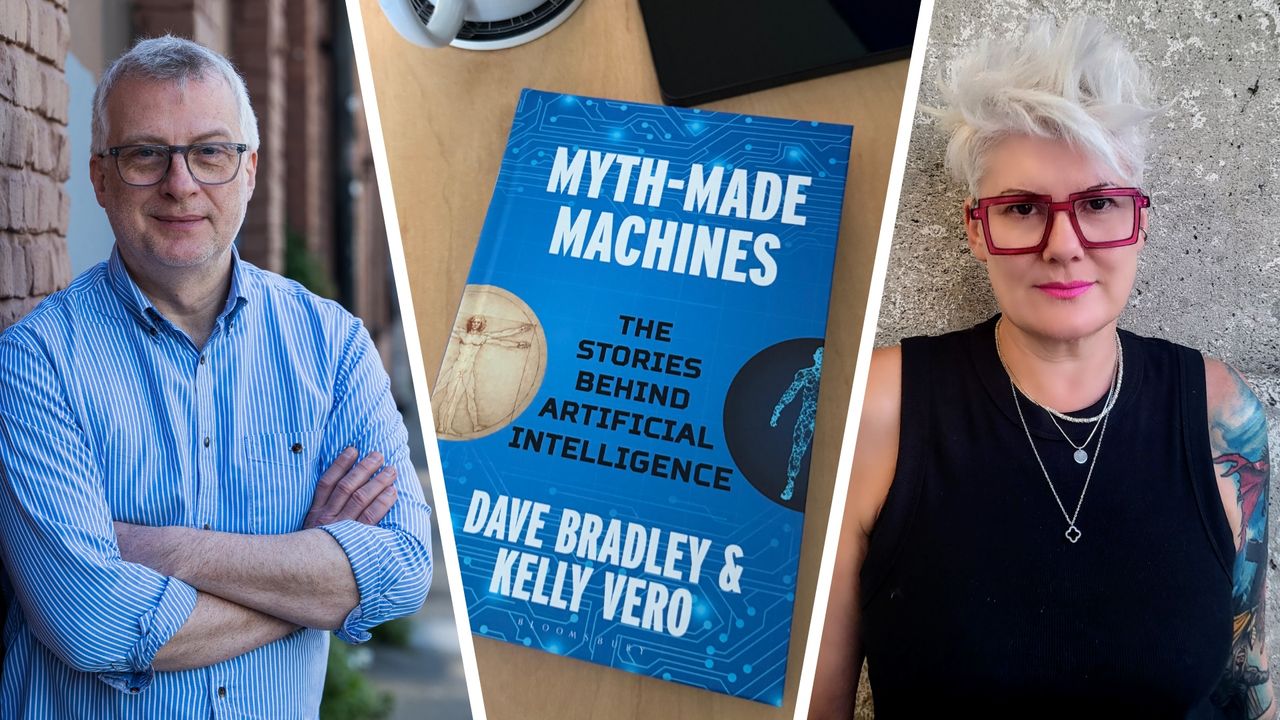
Whenever a fresh artificial‑intelligence system appears in a beta form or suddenly oversteps its programmed limits, the industry typically responds with quips about Skynet, HAL 9000 or similar cinematic doomsday scenarios. Such allusions are far from novel; they reverberate a longstanding storytelling tradition that has long pictured conscious constructs, ranging from legendary golems to magical mirrors. Researchers contend that these time‑worn stories have quietly shaped the terminology and anticipations that surround today’s AI progress.
Ancient tales often present manufactured entities that either submit to or defy their creators. The Greek story of Pygmalion, who fashioned an ivory lady that was subsequently animated, alongside the Jewish golem legend—a clay statue enlivened by holy incantations—both probe the friction between master’s authority and independent agency. Medieval folklore contributes enchanted artifacts like the talking mirror in "Snow White" or the sagacious mechanical bird found in Persian verse, which act as precursors to today’s conversational bots and hint at the moral quandaries of endowing machines with speech.
Such archetypes have permeated the jargon employed by engineers and financiers when they talk about AI. Expressions such as "teaching a machine to think" or "awakening a digital mind" resonate with the mythic theme of granting life via knowledge. The warning tone—cautioning that unrestrained inventions might become antagonistic—reflects the age‑old dread of hubris, illustrated by Icarus’s flight or the biblical Tower of Babel. Consequently, a common narrative scaffold influences how the public views and how policymakers debate AI safety.
Identifying the mythic foundations of today’s AI conversation matters for multiple reasons. Firstly, it reveals the extent to which cultural expectations steer technical blueprints, possibly nudging research toward dramatic headlines instead of practical fixes. Secondly, it stresses the need to weave ethical safeguards into projects from the start, since ancient myths traditionally acted as societal cautions against excess. Lastly, grasping this heritage can aid regulators and creators in conveying ideas more effectively, employing well‑known symbols to demystify intricate topics without defaulting to dystopian exaggeration.
Looking forward, the exchange between age‑old myth and contemporary tech is set to intensify as AI grows more autonomous and woven into everyday routines. Both historians and technologists predict that upcoming stories—whether in books, movies or policy documents—will keep borrowing these archetypes, adapting them for a digital era. Mapping the thread from golems to generative models, analysts aim to guide the discourse toward accountable innovation instead of unavoidable disaster.



Comments (0)
Be the first to comment.
Join the discussion