Xbox Controllers Stick with AA Batteries Over Integrated Packs
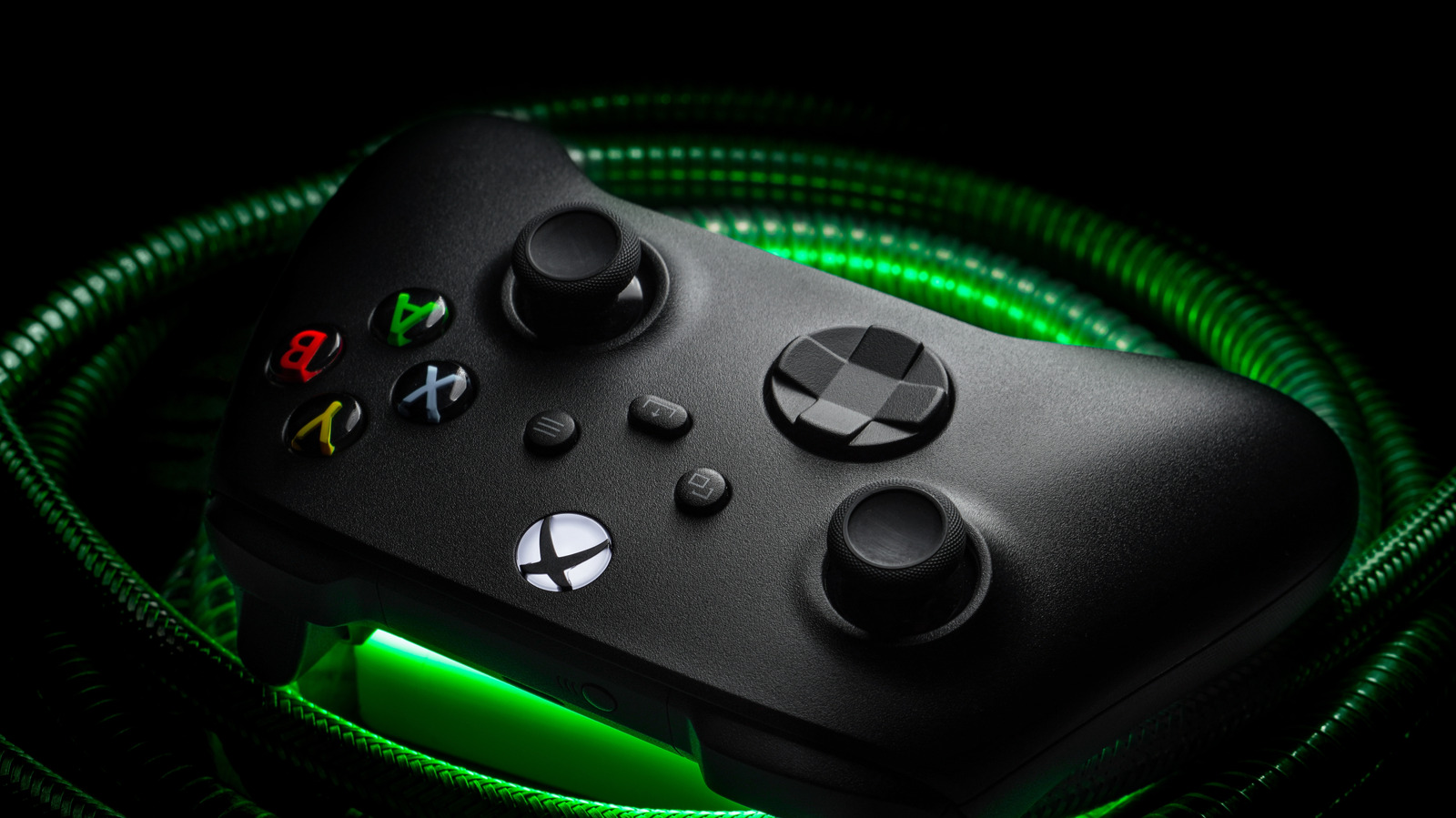
Microsoft still equips its Xbox controllers with AA batteries, a move that might seem dated amid today’s built‑in rechargeable solutions, yet it stems from practical engineering and user‑experience reasons.
Because AA cells provide a high energy‑to‑weight ratio, they supply the continuous power required for the controller’s wireless radio, vibration motors and LED lights without making the device bulky. Consequently, gamers can play for extended periods while the controller remains comfortably light, a balance that compact lithium‑ion cells would find hard to match.
A further benefit lies in how simple it is to replace them. Players can instantly replace exhausted batteries with new ones or slide in a pre‑charged rechargeable AA pair, sidestepping the waiting time needed to charge a sealed internal pack. This plug‑and‑play ease proves especially handy for homes with several controllers or for gamers in locations where power outlets are scarce.
From a production perspective, relying on standard AA batteries cuts both design complexity and expense. The controller no longer requires a dedicated charging circuit, a battery‑management system, or the safety certifications tied to integrated lithium packs. This simplification streamlines the supply chain and contributes to a competitive retail price.
Heat management is another factor. Rechargeable lithium cells tend to warm up during charging and intensive use, potentially impacting the controller’s feel and durability. In contrast, AA alkaline or NiMH cells release heat more predictably, reducing the chance of overheating during long sessions.
Looking forward, Microsoft now offers optional rechargeable battery packs that snap into the existing AA compartment, giving a hybrid alternative for users who like built‑in power yet want to keep the AA format. Keeping the AA slots intact preserves backward compatibility and flexibility, letting gamers opt for disposable, rechargeable, or even high‑capacity specialty cells according to their preferences and play style.



Comments (0)
Be the first to comment.
Join the discussion