Wooden “Heartwood” PC Marries RTX 5090 Power with Desk‑Embedded Design
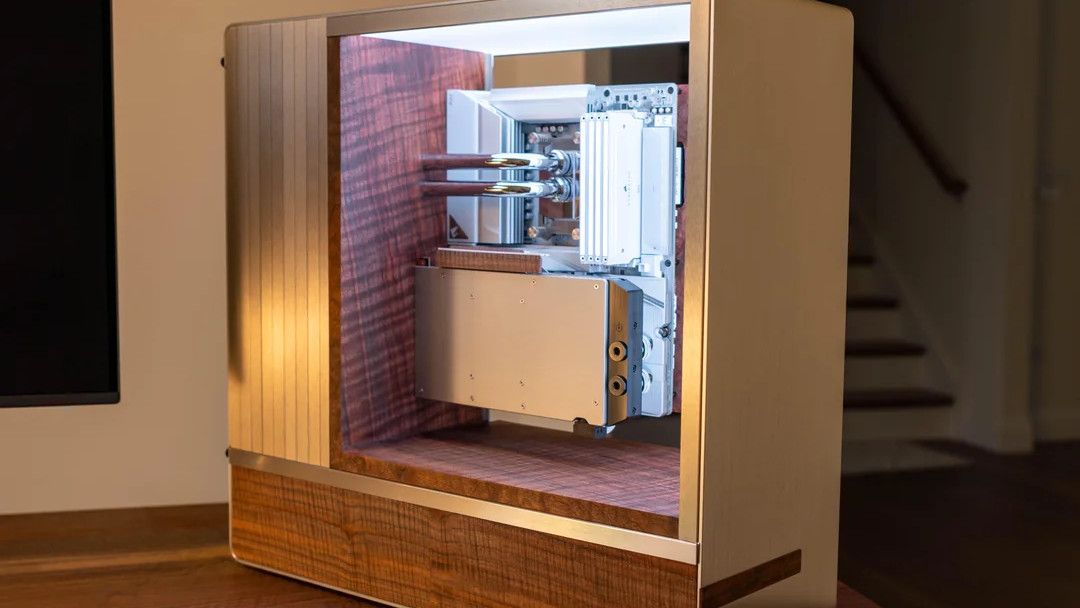
A seven‑year endeavor has yielded a singular gaming machine named “Heartwood,” featuring a wooden case that accommodates an RTX 5090 graphics card while melding seamlessly into a desk’s framework. First spotlighted by TechRadar, the build demonstrates that high‑end hardware can share space with natural materials without compromising looks or utility.
In contrast to typical enclosures that hide cables and cooling hardware inside a metal shell, Heartwood directs its thermal pipes and power leads beneath the work surface. By routing these components through a hidden conduit under the desk, the exposed portion stays exceptionally neat, resembling a solid slab of polished timber rather than a tangled computer.
The decision to use wood as the primary material reflects a niche among PC hobbyists who value visual cohesion with their surroundings. While craftsmen have long experimented with hardwoods for their acoustic and thermal traits, the Heartwood construction pushes the idea further by embedding the system directly into furniture, turning an ordinary gaming rig into a piece of functional art.
Technical challenges dominated the seven‑year development cycle. The RTX 5090, one of the most power‑hungry GPUs available, produces considerable heat that must be expelled efficiently. By externalizing the cooling loop, designers sidestepped the interior‑chassis space limits, allowing larger radiators and extended tubing to operate discreetly beneath the desk. This layout also eases future upgrades, as components can be reached without dismantling the wooden exterior.
Industry commentators note that the Heartwood project highlights a wider trend toward bespoke computing solutions. Although mass‑produced cases still rule the market, a segment of consumers is willing to invest time and resources into personalized builds that echo personal taste and interior décor. The protracted construction timeline underscores both the obstacles and the commitment required to fuse cutting‑edge performance with artisanal craftsmanship.
Looking ahead, the Heartwood prototype may inspire other builders to explore hybrid configurations that separate functional hardware from visual presentation. As component power continues to climb and design sensibilities evolve, approaches that conceal complexity while preserving optimal cooling could become more mainstream, especially among users who view their PCs as both tools and statement pieces.



Comments (0)
Be the first to comment.
Join the discussion