Weighing the Upsides and Dangers of Sharing Your Phone’s Location
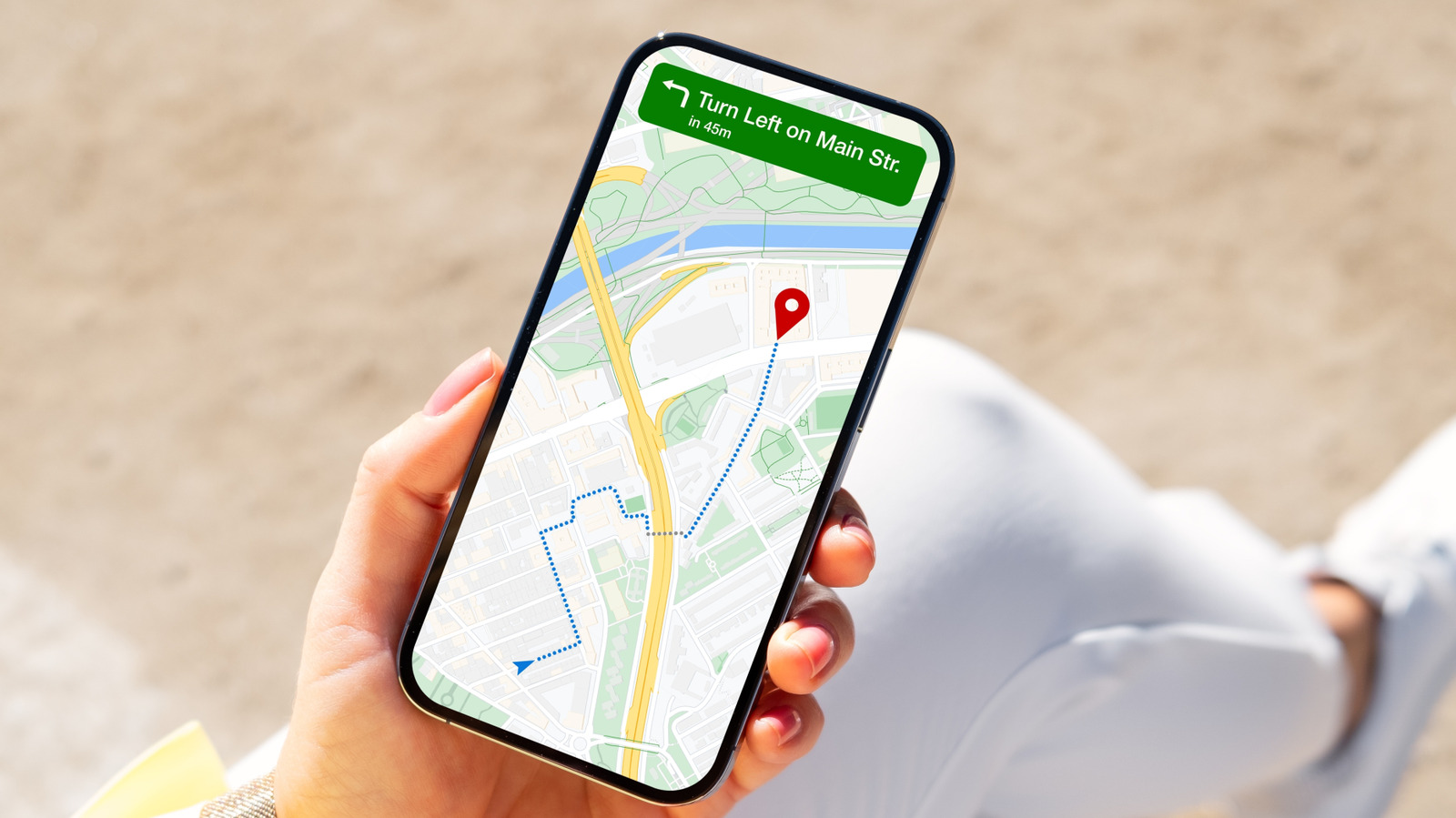
Smartphones and wearables now allow users to share their location with a single tap, a feature that has become integral to social networks, navigation apps, and emergency services. The ease of locating a missing backpack or confirming safe arrival to friends is clear, yet the same capability also brings privacy and security worries that many overlook.
One of the most praised applications of location sharing is its role in finding lost items. Services that tie a device’s GPS to cloud accounts can issue alerts when a phone, wallet or bike moves outside a set radius, saving owners time and money. Families likewise rely on live maps to arrange meet‑ups, and parents can monitor their teens’ routes without constant calls.
Beyond daily convenience, location information can be critical in crises. Many phones automatically transmit exact coordinates to emergency responders when a 911 call is placed, greatly cutting response times. Certain safety‑focused apps also let users stream a live location to trusted contacts while out at night, adding an extra safeguard against potential danger.
However, the very data that enables recovery and safety can be misused. Granting apps continuous access to one’s whereabouts allows that information to be harvested for targeted ads, sold to third‑party data brokers, or unintentionally leaked via security breaches. Even seemingly harmless location logs can expose patterns about a person’s habits, workplace, or religious activities, making them valuable to malicious actors.
Legal regimes such as the EU’s GDPR and California’s CCPA obligate companies to disclose how they treat location data, yet enforcement is uneven and many users stay unaware of how much is collected. Tech platforms often bundle location permissions with other functions, creating “consent fatigue” where users click “allow” without fully grasping the consequences.
Experts advise a careful stance: turn on location sharing only when necessary, restrict the duration of active tracking, and periodically review app permissions. Opting for built‑in privacy settings that share a coarse rather than precise location can reduce risk while keeping functionality. As the digital landscape evolves, the tension between convenience and privacy will keep shaping how individuals and regulators view the practice of broadcasting one’s whereabouts.


Comments (0)
Be the first to comment.
Join the discussion