Upgrading Your Fitness Tracker? Keep All Your Health Data Intact
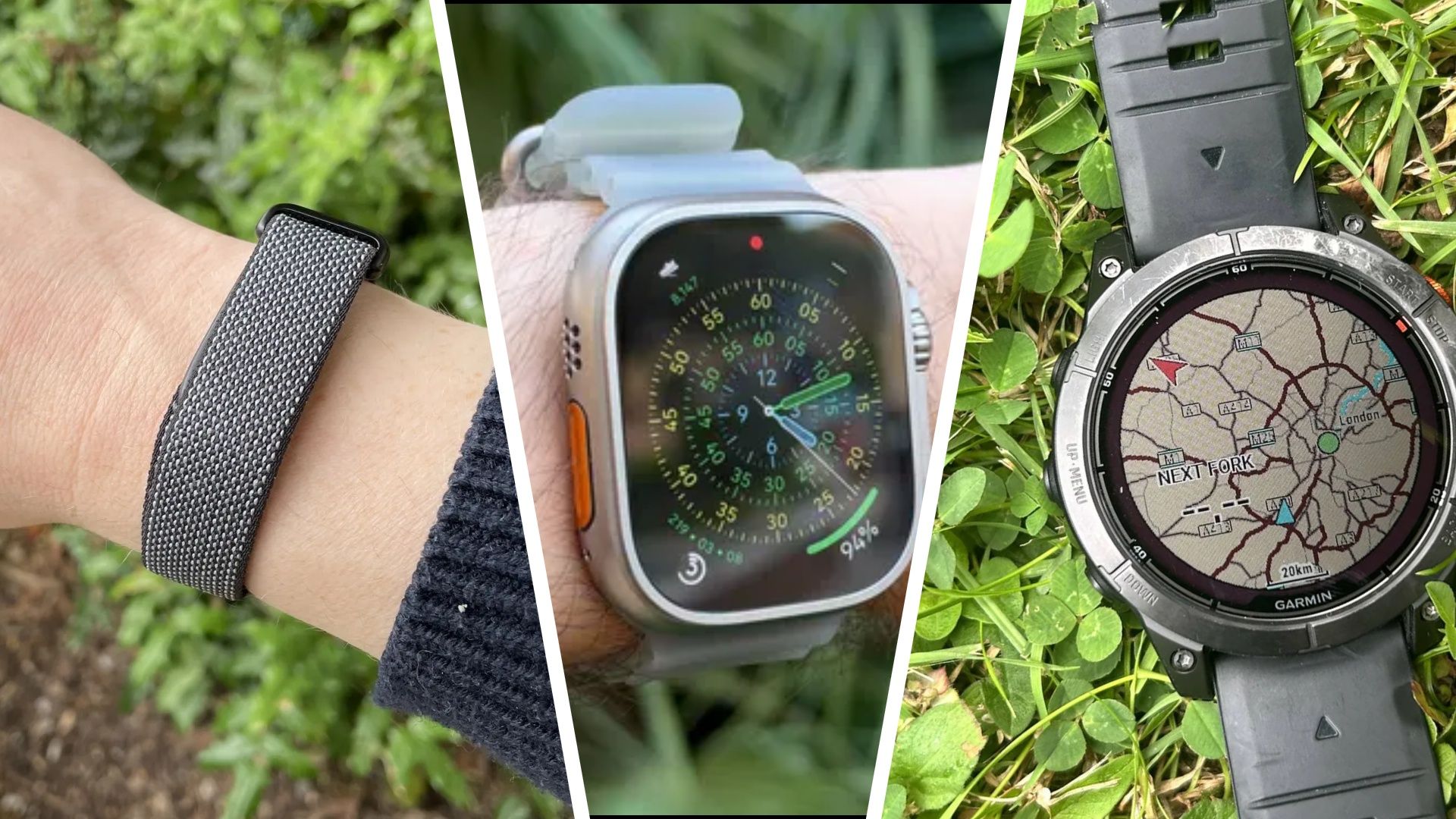
If a well‑worn fitness tracker starts to falter or stops matching a person's changing requirements, a lot of people think about moving to a newer version or even a different brand. The difficulty, however, is transferring the gathered health and exercise records to the replacement without forfeiting the useful insights accumulated over months or years.
The leading fitness services—Fitbit, Apple, Garmin and Samsung—keep information in cloud‑based accounts reachable from any linked device. To preserve historic activity records, users need to verify that their current tracker has fully synced with its companion app and that the account information is current. After confirming the data is safely stored online, the subsequent action is to attach the new gadget to that identical account, which generally means downloading the newest app version, logging in, and obeying the on‑screen pairing steps.
If you opt to switch brands—e.g., swapping a thin Fitbit band for a bulkier GPS‑oriented running watch—the process may require extra steps. Although several makers support exporting data in common formats like CSV or TCX, the target platform might not automatically accept every data point. It is recommended to download your historic logs from the first service, then load them into the new system when feasible, or use third‑party utilities that connect disparate ecosystems. When a direct import cannot be performed, retaining a personal backup of the exported files guarantees the data remains accessible.
Scheduling the upgrade during big discount periods like Black Friday can lower costs, yet it may also stretch support teams thin. Buyers ought to check that the new tracker’s firmware is up to date and that any necessary companion apps have been refreshed before starting the migration. Moreover, performing a factory reset on the old device after confirming a successful data handover safeguards personal data and readies the unit for resale or recycling.
Analysts observe that the capacity to keep data when moving between gadgets shapes brand loyalty, particularly as users grow more data‑centric in their health practices. Companies that simplify migration—through one‑click account linking or native data import tools—appeal to those wishing to upgrade without breaking continuity. In contrast, disjointed ecosystems may discourage switches, cementing the dominance of a handful of major players.
Looking forward, specialists expect stricter integration standards that could render cross‑brand data moves smoother. Until then, anyone gearing up for a fitness tracker upgrade should focus on complete syncing, meticulous export of past logs, and confirming the new gadget can reach the same account. By adhering to these practices, users can reap the advantages of newer hardware while retaining the long‑term health insights that guide their training and wellness choices.

Comments (0)
Be the first to comment.
Join the discussion