Stem Cell Treatment Offers Hope for Repairing Stroke Injury in Mice
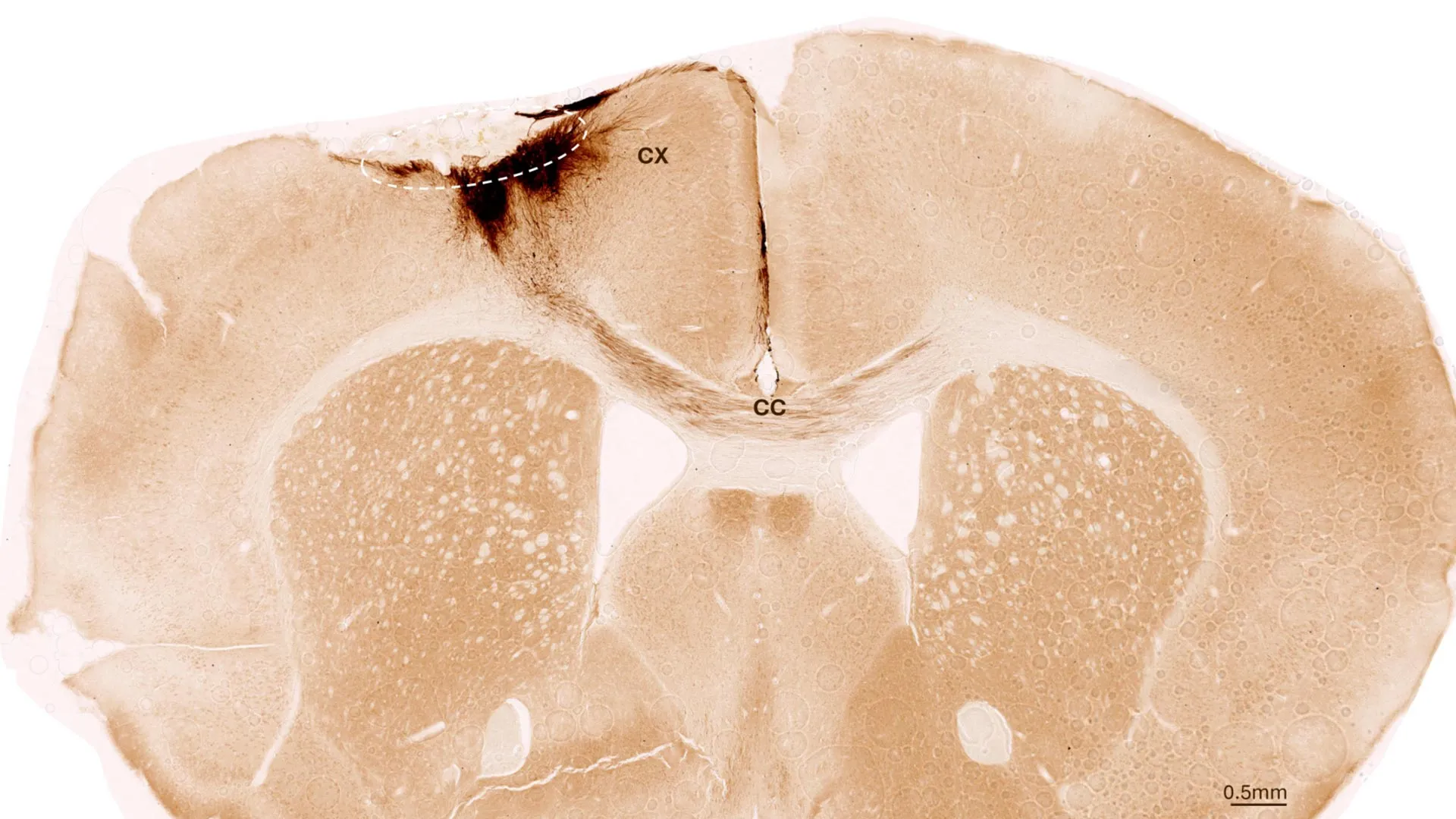
Scientists have shown that injecting stem cells into mice that experienced a stroke can reconstruct the injured brain tissue, produce new neurons, and restore the lost motor functions.
Using a well‑validated mouse model of ischemic stroke, the researchers delivered neural stem cells to the damaged area after a brief recovery interval. In the weeks that followed, they tracked cellular alterations with imaging methods and evaluated behavior using conventional motor assessments.
The outcomes revealed a marked increase in newly generated neurons inside the infarct zone, confirming that the grafted cells persisted, integrated and matured into functional brain cells. Additionally, the treatment promoted angiogenesis, reduced inflammatory markers, and aided the re‑formation of the blood‑brain barrier—elements that collectively underpin sustained recovery.
Behaviorally, the stem‑cell‑treated mice surpassed untreated stroke‑affected counterparts on evaluations like the rotarod and grip‑strength tests, reaching performance comparable to that of normal mice. This functional advantage indicates that the anatomical regeneration translated into tangible gains in coordination and strength.
While the results are promising, researchers caution that translating the approach from mice to humans will demand thorough safety evaluations and optimization of delivery techniques. Stroke continues to be a leading source of long‑term disability, with existing therapies mainly confined to acute clot‑dissolving agents and rehabilitation. A regenerative strategy that can mend brain tissue beyond the acute phase could profoundly reshape therapeutic options.
The team intends to conduct additional experiments to fine‑tune dosing, assess long‑term effects, and investigate pairing the therapy with standard rehabilitation. Should forthcoming preclinical investigations verify safety and effectiveness, the method could move into early‑stage clinical trials in a few years, providing renewed hope for stroke patients with few treatment alternatives.



Comments (0)
Be the first to comment.
Join the discussion