Microplastic Particles Spark Reactive Species in Water, Prompting Health Worries
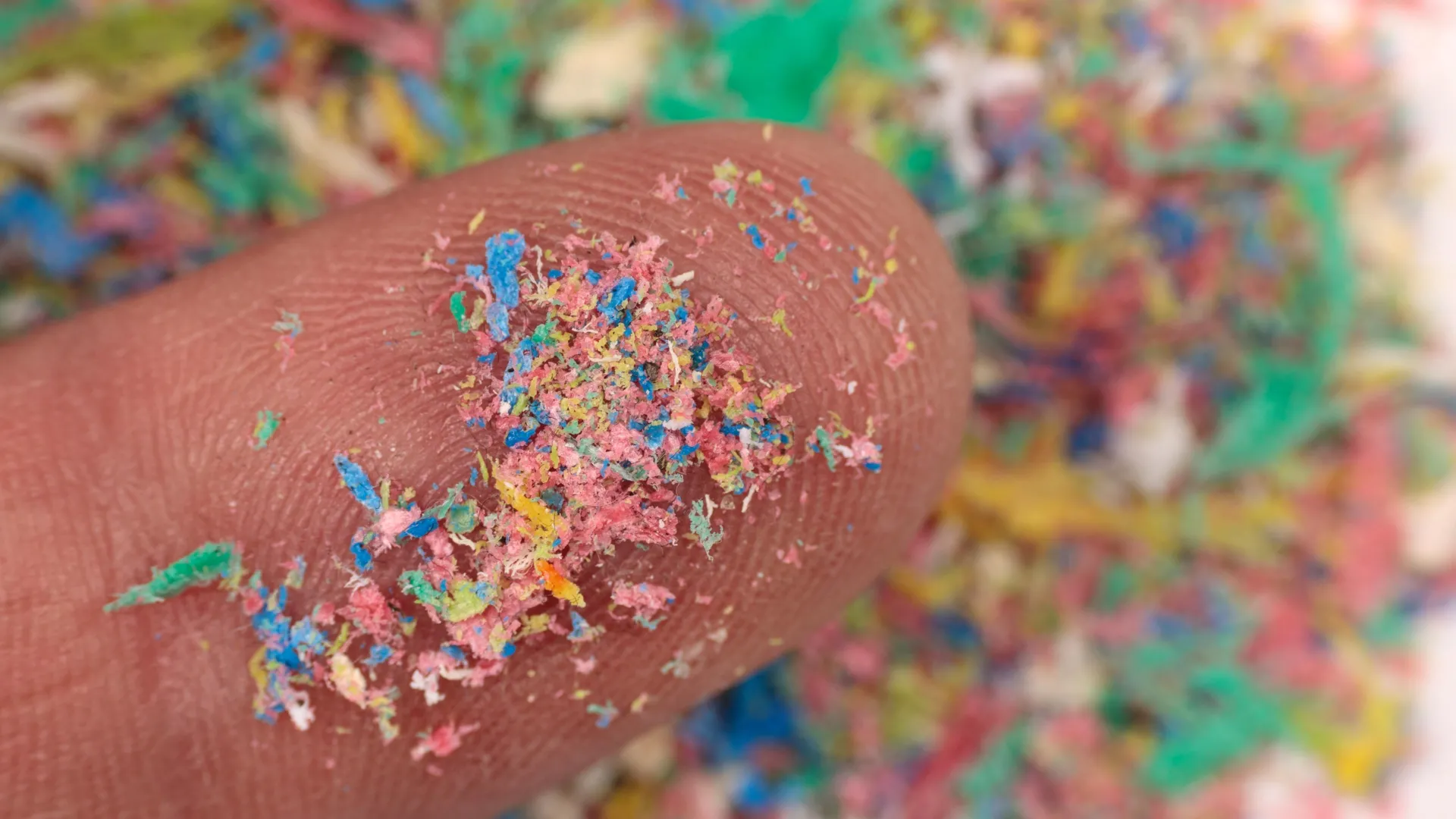
Researchers have identified a previously unknown chemical route through which tiny plastic fragments can pose a threat to human health. In controlled lab tests, they found that when typical microplastic particles are dispersed in water, they promote the creation of highly reactive molecules that can harm cells and tissues.
The investigation, carried out by a collaboration of chemists and toxicologists, exposed several kinds of microplastics to watery conditions that simulate the human body. Using sophisticated analytical methods, the team showed that the surfaces of the plastics catalyze the production of reactive oxygen species, a group of compounds notorious for oxidizing biological molecules and disturbing normal cellular processes.
Before this research, concerns about microplastics focused mainly on their physical presence—building up in organs, potentially ferrying pollutants, and causing mechanical irritation. The new evidence indicates that the risk goes beyond simple accumulation. By generating reactive chemicals, microplastics could trigger oxidative stress, a mechanism associated with inflammation, DNA damage, and numerous chronic illnesses.
The discovery carries wide‑reaching implications. Should comparable reactions happen under real‑world exposure—via drinking water, seafood, or other ingestion pathways—the public‑health impact might be larger than earlier estimates. Policymakers and environmental regulators may need to revisit risk assessments that have largely emphasized particle size and concentration, adding chemical reactivity as an additional factor.
Scientists emphasize that this work represents an early step toward fully grasping microplastic toxicity. Ongoing experiments aim to pinpoint how various polymer types, particle shapes, and environmental conditions affect the formation of reactive molecules. In the meantime, the results heighten the call for cutting plastic waste, upgrading water‑treatment systems, and creating safer materials that do not provoke harmful chemical reactions.


Comments (0)
Be the first to comment.
Join the discussion