Snap and Xreal Debut AR Glasses That Feel More Like Geek Gear Than Everyday Wear
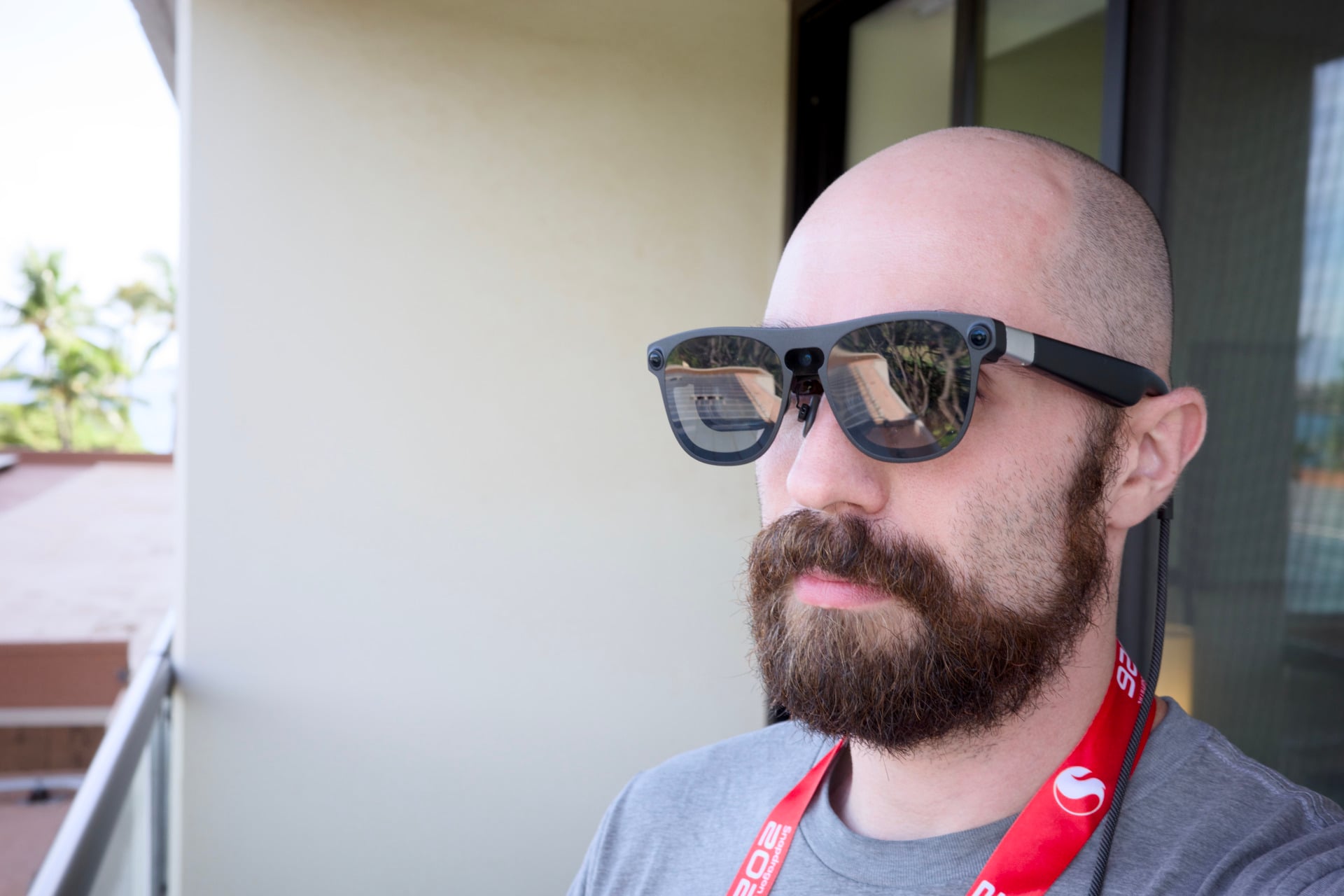
Snap Inc. and Xreal have each rolled out fresh augmented‑reality spectacles that aim to deliver immersive, hands‑free media, yet both look more at home in a hobbyist’s workshop than in a commuter’s everyday attire.
Snap calls its product Snap Specs, an evolution of its previous Spectacles series, coupling feather‑light frames with lenses that display Snapchat’s AR filters straight into the user’s view. The glasses depend on a modest onboard processor and a wired link to a smartphone, allowing users to superimpose digital stickers, text and basic 3‑D elements onto the surroundings while capturing video for the service.
Xreal’s Aura adopts a different approach, sporting a traditional glasses shape that contains dual micro‑displays and a removable battery module. Xreal promotes the Aura as a portable visual‑display tool for streaming video, gaming and productivity applications, capable of linking to various smartphones, laptops and consoles through a USB‑C cable or wireless connection.
The two gadgets share several drawbacks that prevent them from merging smoothly into daily use. Each offers a relatively limited field of view, so digital overlays look like a tiny window instead of a full‑scale augmentation of the scene. Their battery endurance is modest, demanding regular recharging or a portable charger, and the visual design—chunky frames with exposed lenses and wiring—renders the glasses noticeable in public.
The hurdles confronting Snap and Xreal mirror those that have plagued prior AR headset efforts, from the privacy backlash against Google Glass to the business‑centric design of Microsoft HoloLens. While consumer enthusiasm for wearable AR stays high, makers still wrestle with achieving the right mix of visual quality, comfort, battery life and pricing that could appeal to a broad market.
Analysts point out that although these glasses are not poised to become mainstream fashion items in the near term, they may carve out niche markets among developers, content creators and early adopters who value utility over subtlety. Snap Specs could draw users already embedded in the Snapchat ecosystem, while Xreal Aura’s wider compatibility might serve mobile gamers and remote‑work environments well.
With the competition for functional AR eyewear heating up, Xreal’s more traditional frame shape seems slightly more apt for daily wear, yet both models highlight the considerable progress still required before AR can be worn inconspicuously. Upcoming versions will have to improve ergonomics, visual clarity and social acceptance if they hope to graduate from labs to everyday streets.



Comments (0)
Be the first to comment.
Join the discussion