Cyberattack on Refrigeration Supplier Endangers France’s Blood Reserves
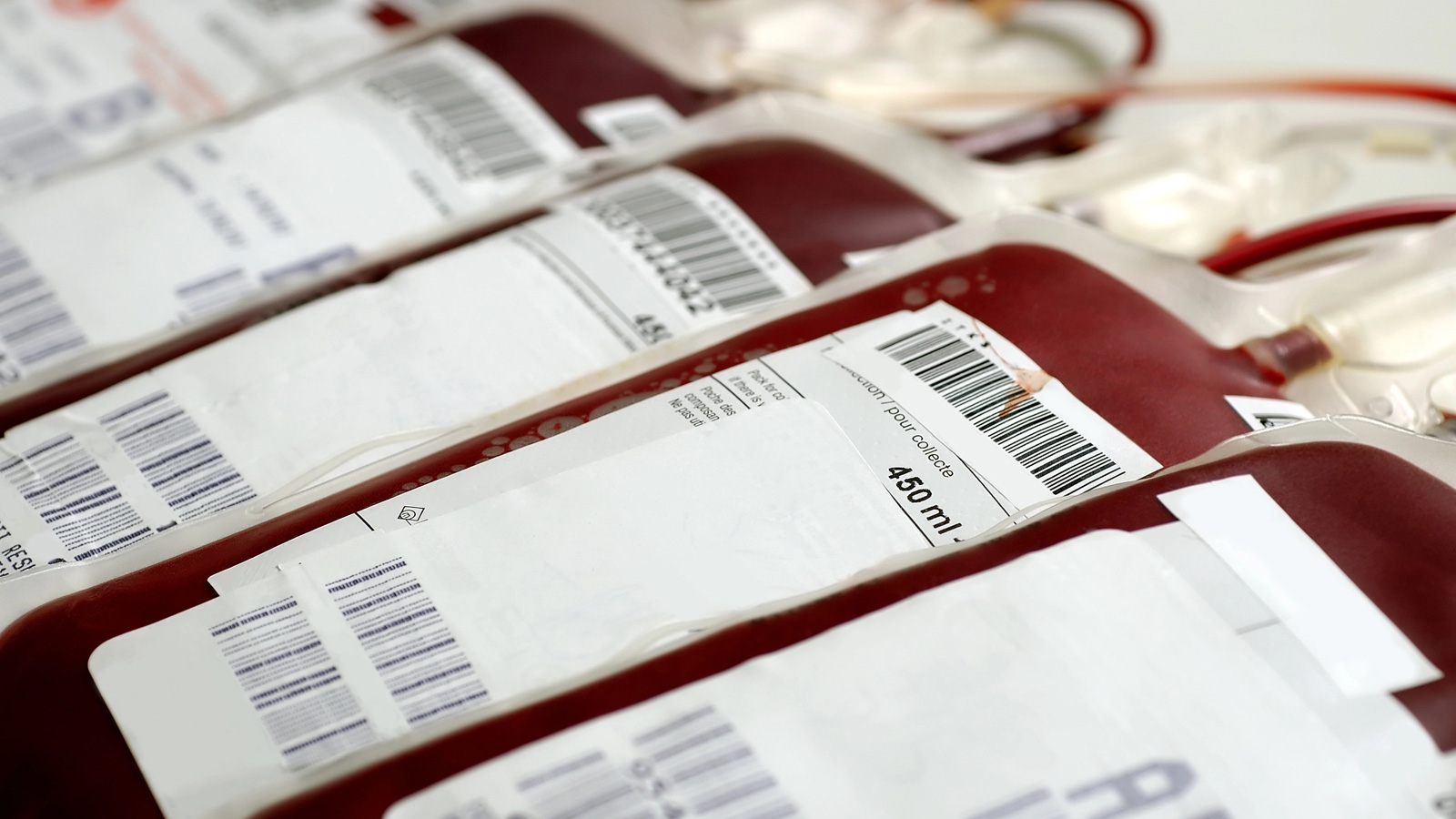
On Tuesday, France’s national blood service announced that a cyber intrusion targeting a supplier of refrigeration equipment altered temperature and defrost configurations at three of its blood storage facilities, jeopardizing millions of blood units.
The attack seems to have been aimed at the cooling‑unit provider rather than the blood service itself, prompting the agency to halt operations at the impacted sites while technicians endeavored to bring temperatures back within safe limits. Officials warned that the incident highlights the susceptibility of essential health infrastructure to cyber threats.
To stay viable, blood products require strict temperature control—generally 1 °C to 6 °C for red cells and –20 °C for plasma. Short lapses can undermine the safety and effectiveness of transfusions, possibly impacting hospitals nationwide that depend on the national supply chain.
In recent years, cyber attacks on medical and laboratory equipment have become more common, as perpetrators take advantage of the growing interconnectivity of previously isolated devices. France’s health sector has already been urged to tighten cybersecurity measures following earlier ransomware incidents that disrupted hospital operations. This latest case emphasizes the importance of securing the supply chain, particularly for vendors handling critical hardware.
The blood service responded by enacting its emergency contingency plan, moving inventory to alternative storage locations and intensifying temperature‑log monitoring. It also alerted the French cybersecurity authority ANSSI, which is now heading an investigation into the breach and the techniques used to tamper with the refrigeration controls.
Although no immediate blood‑product shortage has been reported, downstream consequences could arise if any compromised units are deemed unusable. Health officials are urging hospitals to flag any irregularities in blood quality and to adhere to revised handling protocols as the investigation continues.
Experts suggest the incident could trigger a wider reassessment of how medical facilities evaluate and oversee third‑party technology vendors. Enhancing encryption, adopting multi‑factor authentication, and performing routine vulnerability assessments are among the steps advised to avert comparable attacks. The findings of the current probe are expected to shape policy debates on protecting the nation’s vital health infrastructure from cyber threats.



Comments (0)
Be the first to comment.
Join the discussion