Samsung vs. LG OLED TVs: Comparing Their Technologies and Features
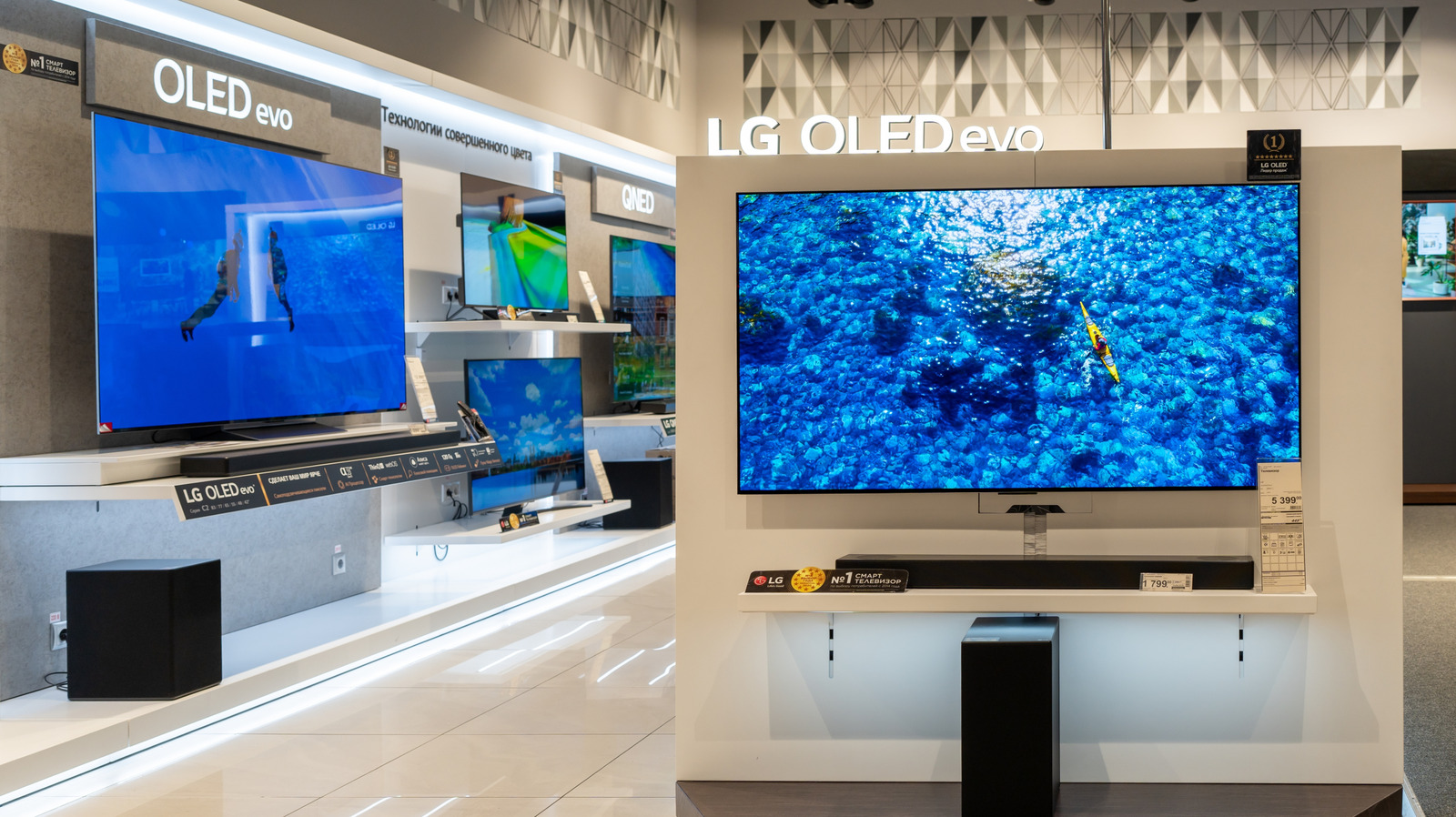
When shoppers seeking premium televisions evaluate the newest OLED options, the conversation often boils down to Samsung and LG, the two brands that dominate the high‑end segment. Both promise deep blacks and vivid colors, yet the methods each uses to achieve those results create distinct viewing experiences and influence purchasing decisions.
LG has been manufacturing OLED panels for several years, honing the technology that lets each pixel emit its own light. Its displays are praised for uniform brightness and accurate color rendering, benefits that arise from a long‑standing supply chain centered on in‑house glass substrates and organic layers. Samsung, by contrast, entered the OLED market with its QD‑OLED series, merging quantum‑dot color filters with conventional OLED emitters. This hybrid design seeks to raise peak brightness and broaden the color gamut, giving Samsung screens a modest advantage in well‑lit environments.
Beyond the panels, the two makers diverge in software and auxiliary features. LG couples its OLEDs with the webOS operating system, delivering a simple UI, an expanding catalog of streaming apps, and AI‑powered picture tuning under the ThinQ label. Samsung outfits its units with Tizen, which focuses on seamless integration with Samsung’s broader ecosystem, including SmartThings home automation and advanced voice assistants. Both brands have incorporated gaming‑centric tools such as variable refresh rate support and low‑input‑lag modes, but Samsung tends to spotlight its Object Tracking Sound system, whereas LG emphasizes its Game Optimizer suite.
Pricing and model breadth also affect the buyer’s choice. LG generally releases a wider array of sizes and price tiers, ranging from entry‑level OLEDs that retain the core technology to top‑of‑the‑line models with premium enhancements. Samsung’s OLED lineup is presently more limited in size and typically positioned at the higher end of the market, reflecting the newer stage of its QD‑OLED production. Stock levels differ by region, with LG panels more broadly available in many markets, while Samsung’s units may debut first at select retailers.
Looking forward, both companies indicate ongoing investment in OLED advancement. LG is investigating larger screens and flexible substrates, whereas Samsung is fine‑tuning its quantum‑dot integration to further boost brightness and efficiency. Ultimately, shoppers will likely decide based on whether they value LG’s proven color accuracy and broader selection or Samsung’s potentially brighter output and ecosystem connectivity. As the technology progresses, monitoring upcoming model releases and independent picture‑quality reviews will help consumers choose wisely.


Comments (0)
Be the first to comment.
Join the discussion