How to Charge Your Phone Even When Your PC Is Powered Down
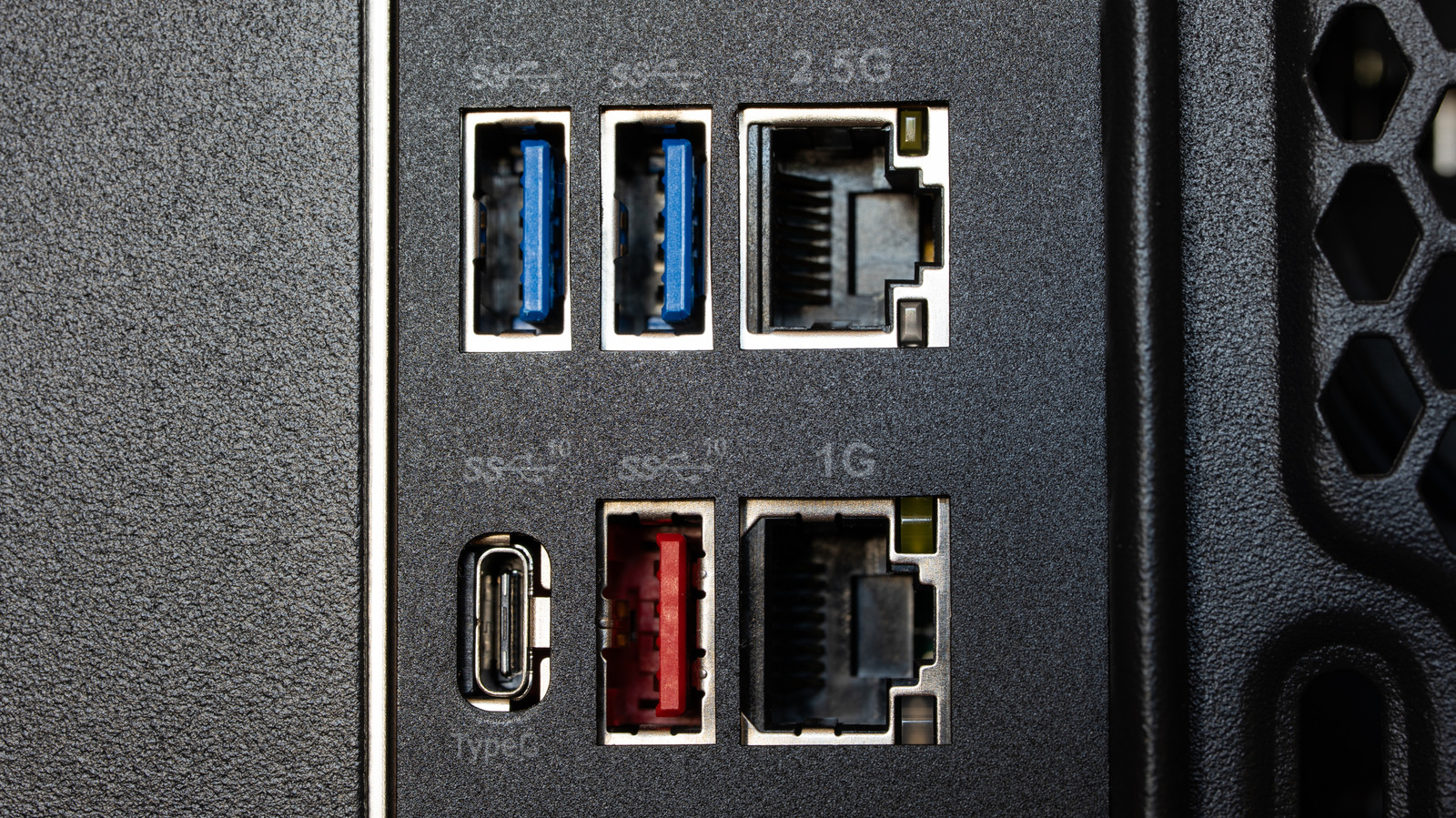
Modern computers are capable of supplying a modest amount of power to their USB ports even after the operating system has been shut down, allowing a laptop or desktop to charge a smartphone while the system remains idle.
This ability comes from a feature integrated into many newer motherboards that keeps a 5‑volt standby rail active for selected USB connectors. Often advertised as “USB charging” or “ErP ready” support, the circuit stays energized as long as the PC stays plugged into mains power, irrespective of whether it is shut down, hibernating, or in a low‑power sleep mode.
To make use of this function, users usually have to turn it on in the firmware. A BIOS/UEFI screen typically offers a switch named something like USB Power in Soft Off or Charge USB Devices when Off. Activating the setting supplies standby voltage to the appropriate ports—generally the front‑panel jacks or rear sockets marked with a lightning‑bolt icon. Some vendors also ship a Windows utility that can manage the feature, but the firmware option remains the most dependable way.
Not every port will provide a charge, and the output is limited, usually capped at 2.5 watts (0.5 A at 5 V). That level is sufficient for topping up a phone or a small wearable, but it won’t run larger gadgets such as tablets or external hard drives. Older machines that lack the standby rail, or systems whose power supplies don’t support it, will deliver no charge when off. Likewise, laptops that completely cut power to the chassis to preserve battery life will not charge via USB unless they include a dedicated charging port.
The convenience of a charger that works while the computer is off can be valuable for people who habitually leave their phones on the desk while the PC isn’t in use. It cuts down on the need for wall adapters, reduces cable clutter, and can modestly lower overall energy consumption by eliminating a separate charger that draws power continuously.
Looking forward, the shift toward universal USB Power Delivery and higher‑power USB‑C ports indicates that future PCs may offer even more versatile charging options while offline. As manufacturers adopt these standards and operating‑system power‑management policies evolve, the distinction between a computer and a multi‑device power hub is set to blur further.


Comments (0)
Be the first to comment.
Join the discussion