Samsung Targets Texas for Pioneer Floating Data Center as Power Grid Faces Closer Look
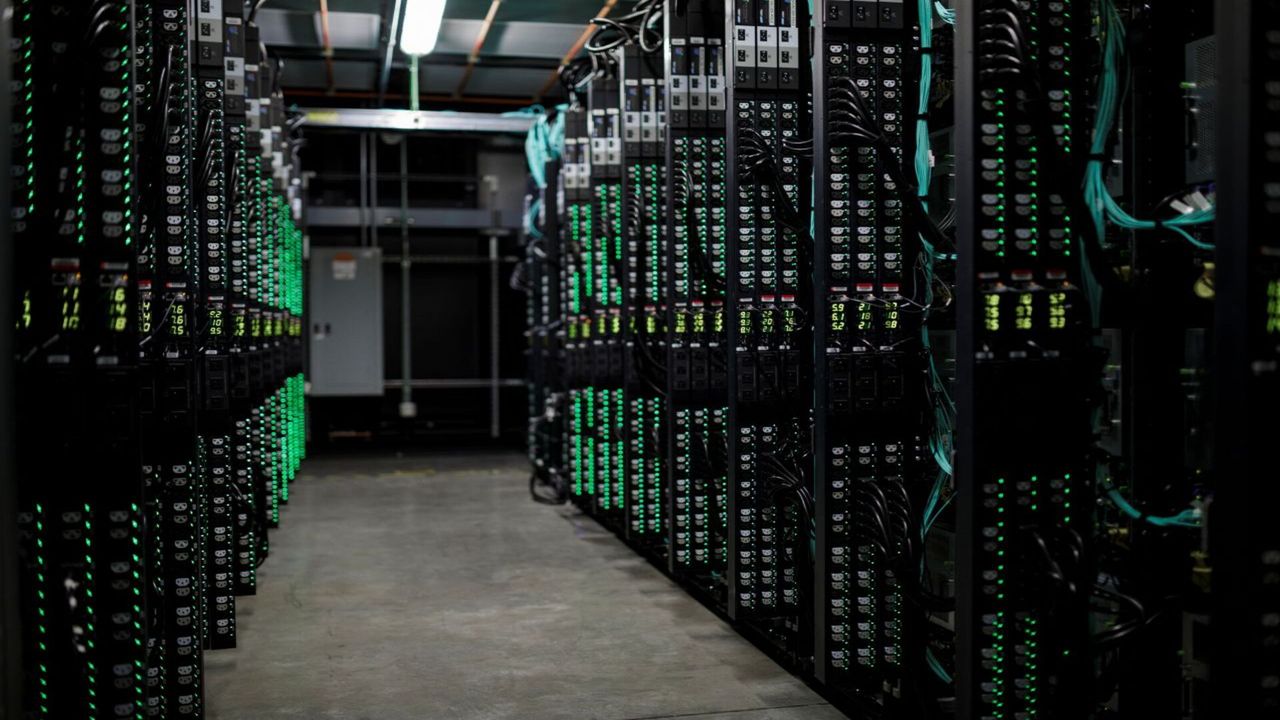
Samsung is pushing ahead with its bold plans to deploy floating data centers, selecting Texas as the primary site for the project's initial engineering agreement. This novel concept revolves around massive, waterborne facilities designed to deliver immense computing power, addressing the world's growing hunger for data infrastructure.
These planned aquatic data hubs are engineered to be highly modular and transportable, promising to significantly shorten the construction schedules usually tied to traditional land-based facilities. Each individual unit is projected to deliver up to 50 megawatts (MW) of capacity and features a built-in self-cooling system that utilizes the surrounding water to dissipate heat from the servers. Such a method could yield both environmental benefits and operational savings.
Opting for an engineering deal in Texas highlights the state's pivotal role in the technology sector, fueled by a booming economy and escalating digital needs. As enterprises like Samsung look to expand their physical infrastructure, inventive solutions are becoming crucial to satisfy the rising demand for data processing and storage.
Nevertheless, the roadmap for establishing new data facilities in Texas is not without potential roadblocks. The state's electrical grid is currently undergoing a thorough review, a process that has introduced a new layer of uncertainty for all expanding, energy-intensive initiatives, including massive data hubs. This scrutiny could reshape the permitting and operational landscape for Samsung's proposed project.
This waterborne data hub model represents a major departure from traditional designs, potentially serving as a template for rapid deployment across coastal or inland bodies of water worldwide. Its capacity for self-cooling, combined with its modular architecture, makes it a highly attractive option for regions constrained by land availability or those searching for more sustainable cooling methods for their digital systems.
Though the engineering contract is a vital milestone, the venture will likely encounter further regulatory and logistical hurdles. How the project interacts with Texas's evolving energy regulations and infrastructure will be a decisive factor in shaping the timeline and ultimate realization of Samsung's progressive data center vision, as reported by TechRadar.
If the initiative successfully bypasses these challenges, it could set a major precedent for future data center construction. It would demonstrate a viable alternative that pairs high capacity with quicker deployment and enhanced energy management, offering a preview of the future of digital infrastructure.



Comments (0)
Be the first to comment.
Join the discussion