Research Connects Widespread Gut Bacterium Toxin with Development of Colorectal Cancer
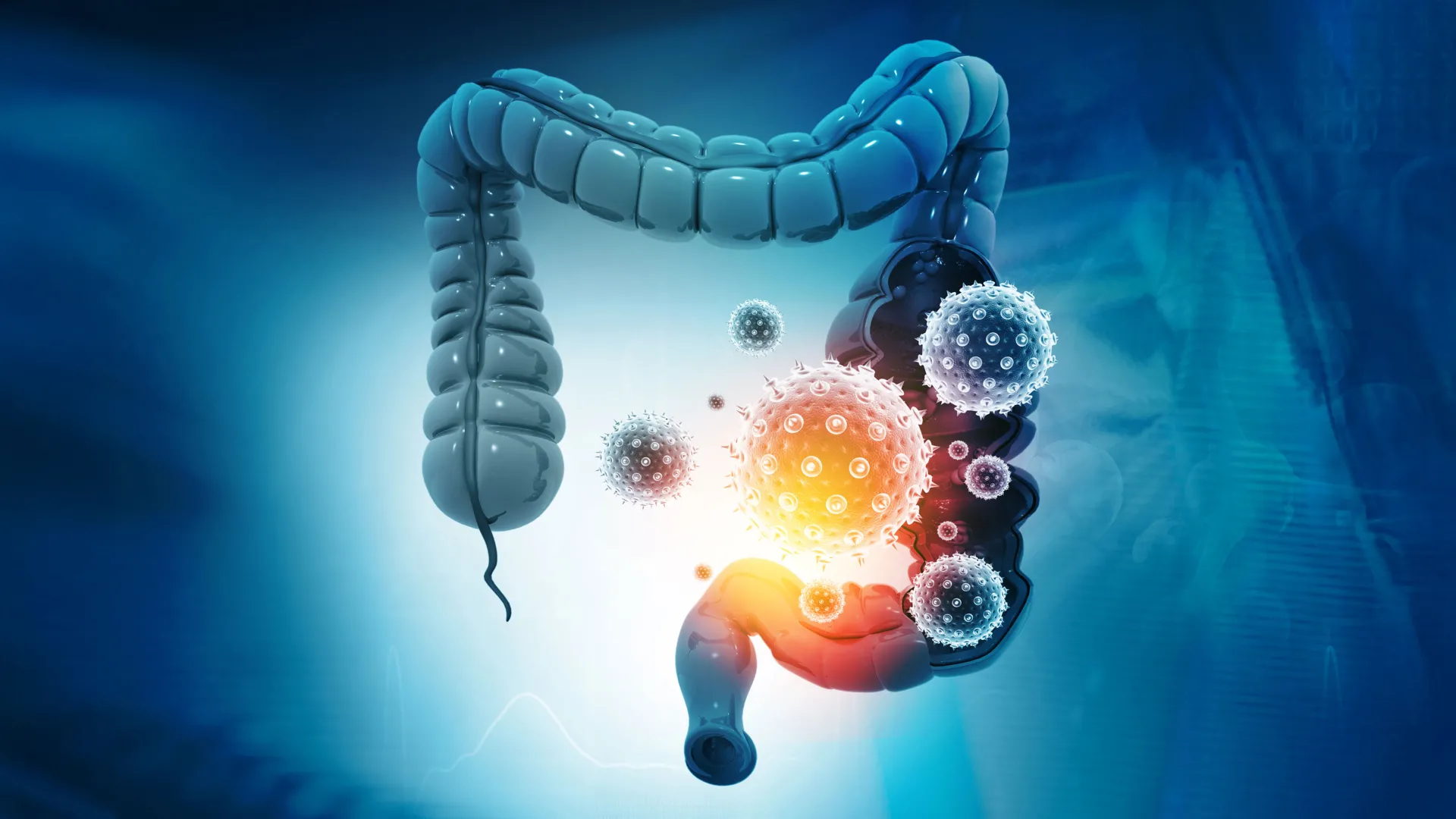
Scientists at Johns Hopkins University have uncovered the previously absent mechanistic connection between a common intestinal microbe and the initiation of colorectal cancer, providing a sharper understanding of how bacterial actions can affect tumor development.
The investigators examined Bacteroides fragilis, a bacterium that regularly resides in the human gut. Earlier epidemiological studies suggested a link between this microbe and increased incidence of colon tumors, yet the precise mechanism was conjectural. Isolating the bacterium’s distinct toxin—Bacteroides fragilis toxin (BFT)—the researchers showed that the molecule can directly injure the colonic epithelium and induce cellular alterations that make tissue susceptible to cancer.
In vitro tests revealed that treating cultured colon epithelial cells with purified BFT caused tight‑junction breakdown, inflammation, and the activation of signaling pathways typical of early colorectal cancer. Corresponding mouse experiments indicated that animals colonized by toxin‑producing B. fragilis strains formed a higher number and larger adenomas than those carrying non‑toxic versions.
The results bridge a twenty‑year gap in knowledge about how the gut microbiome influences cancer risk. Prior work identified diet, genetics and chronic inflammation as principal factors in colorectal cancer, yet the impact of individual bacterial metabolites was still unclear. By identifying BFT as a causative factor, the study supplies a tangible biological pathway to the larger story that dysbiosis can drive oncogenesis.
This breakthrough has possible clinical ramifications. Detecting toxin‑producing B. fragilis strains might be incorporated into risk‑assessment routines, and treatments designed to neutralize BFT or modify the gut microbiota could become complementary to current preventive tactics like colonoscopy and lifestyle changes.
Further studies must tackle remaining uncertainties, such as the prevalence of toxin‑producing B. fragilis in varied populations and whether diet or probiotic measures can effectively curb its activity. Still, the Johns Hopkins group's findings represent a notable advance toward turning microbiome research into practical strategies for cancer prevention and therapy.



Comments (0)
Be the first to comment.
Join the discussion