Phone Speed May Lag After Updates, Experts Note Slowness Is Usually Brief
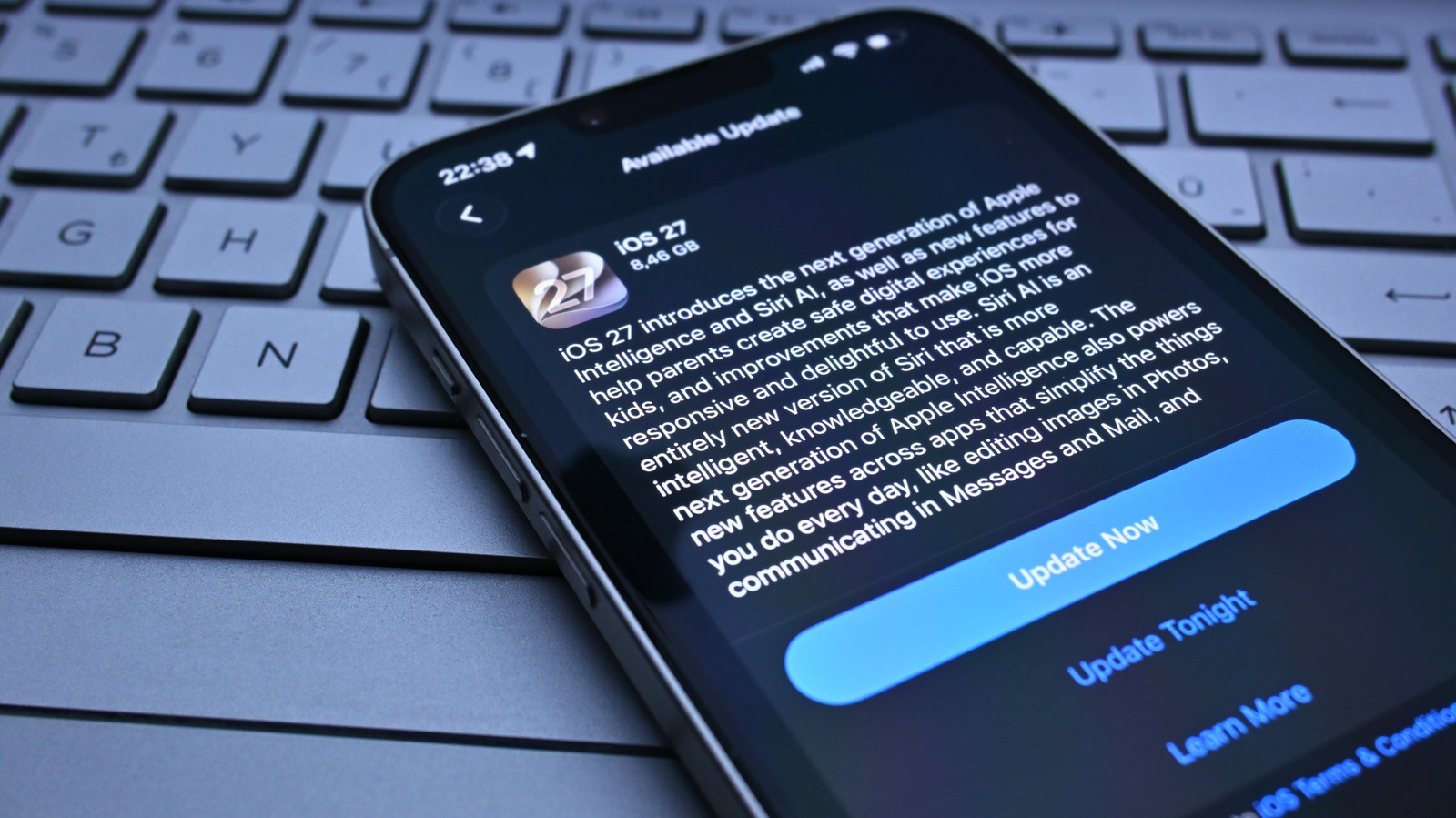
After a smartphone installs a fresh software update, a large number of users notice the device becoming slower or less responsive for a brief interval. Though irritating, this effect is typically anticipated while the operating system reorganizes to integrate new code, added features, and security fixes.
In the first hours—or even days—following an update, the phone usually executes background jobs like media‑file indexing, app‑cache reconstruction, and system‑wide optimizations. Such activities draw CPU power and RAM, which can briefly slow routine actions such as opening apps or scrolling menus.
Manufacturers and OS developers generally craft updates to boost overall performance, extend battery life, and enhance security over time. Yet the transition can reveal incompatibilities between older data formats and the new software’s requirements, causing short‑lived performance glitches. Often, the phone steadies once background tasks complete and temporary files are cleared.
Tech analysts recommend allowing a few days after an update before concluding there is an issue. Basic actions—restarting the phone, clearing app caches, or turning off unused widgets—can speed up recovery. Should the lag continue past a sensible timeframe, users should reach out to support or look for follow‑up patches.
This fleeting slowdown highlights a wider dilemma in mobile ecosystems: reconciling swift feature releases with preserving a smooth user experience. As updates grow more frequent to tackle security risks and hardware compatibility, users may encounter occasional adjustment phases, yet the general trend points toward faster, more secure smartphones.


Comments (0)
Be the first to comment.
Join the discussion