Perseverance Rover Becomes Longest‑Traveling Vehicle on Another Planet
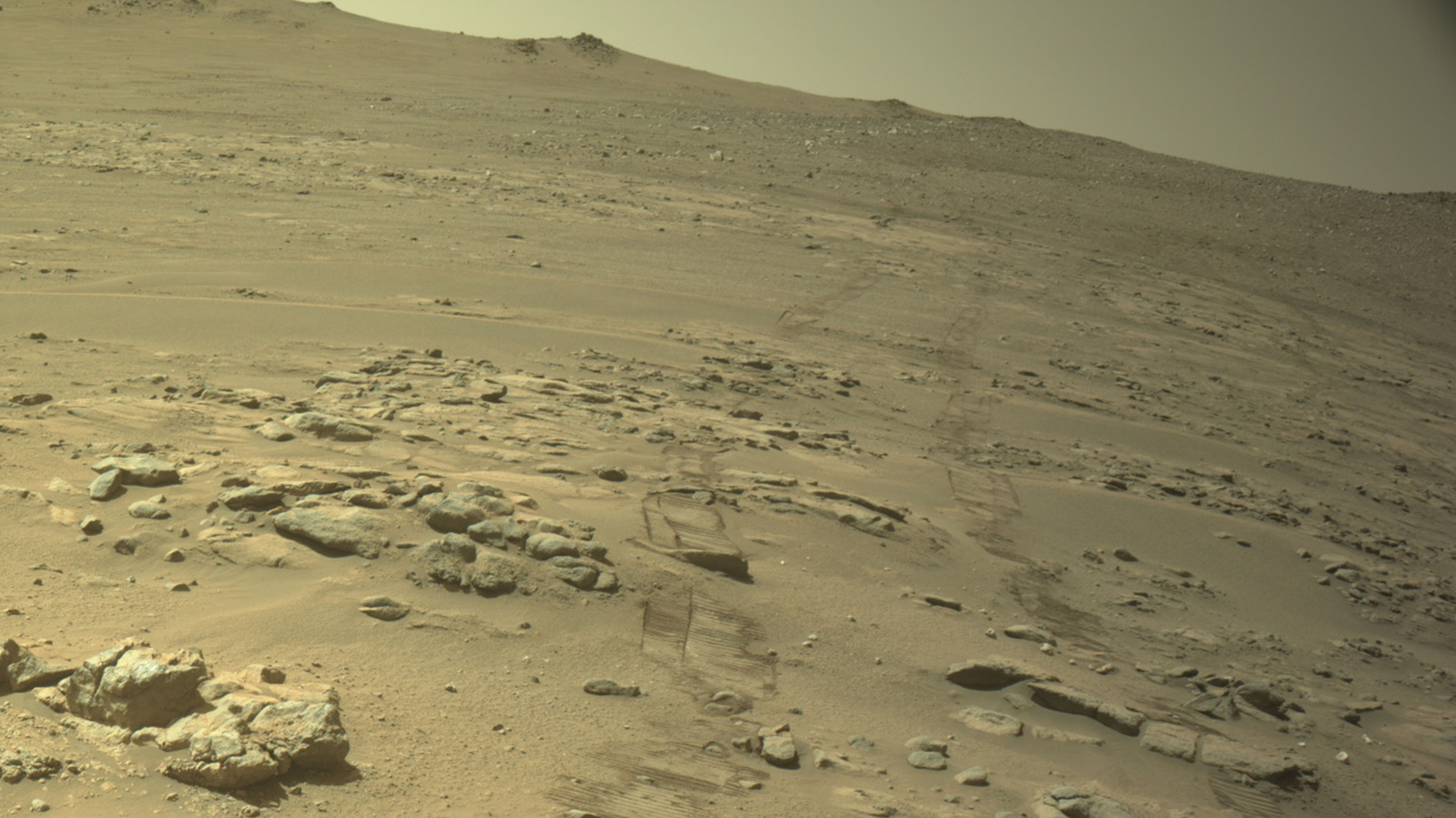
NASA’s Perseverance rover is now officially the most‑driven vehicle ever to function on another world, overtaking every prior off‑planet mileage record while it keeps moving across Mars.
Mission engineers verified the milestone, pointing out that Perseverance’s total distance has now surpassed the standard set by its forerunner, Curiosity, which covered about 24 km while exploring Gale Crater over several years. Landing in Jezero Crater in February 2021, Perseverance has now exceeded that figure, establishing a fresh peak for robotic travel off Earth.
Attaining this record highlights the rover’s rugged hardware and the meticulous planning of its routes. Equipped with sophisticated wheel suspension and self‑driving navigation software, Perseverance has traversed diverse landscapes—from fine dust to jagged rocks—while staying on course to sample ancient lake‑bed sediments.
Beyond a simple statistic, the record showcases the expanding reach of planetary rovers, boosting the chances of finding varied geological specimens. Every extra kilometre pushes the rover into previously unmapped terrain, enriching the collection that will later be brought back to Earth under the Mars Sample Return program.
Mission managers see the mileage milestone as a platform for upcoming goals. Now situated to investigate Jezero’s north‑western rim, scientists look forward to gathering fresh rock cores that may reveal insights into early Martian climate and possible habitability.
Going forward, the Perseverance team intends to make steady progress, weighing added distance against the need to preserve the rover’s power and instrument health. This achievement underscores the durability of today’s rover technology and establishes a benchmark for future missions that might strive to traverse even greater distances on alien worlds.
Although the precise mileage will continue to be updated as the rover moves on, this feat represents a historic milestone in interplanetary exploration, emphasizing humanity’s growing reach and the engineering successes that enable such far‑flung voyages.



Comments (0)
Be the first to comment.
Join the discussion