OpenAI Encourages Use of a Softer Term for Its Data Centers Amid Growing Rebrand Momentum
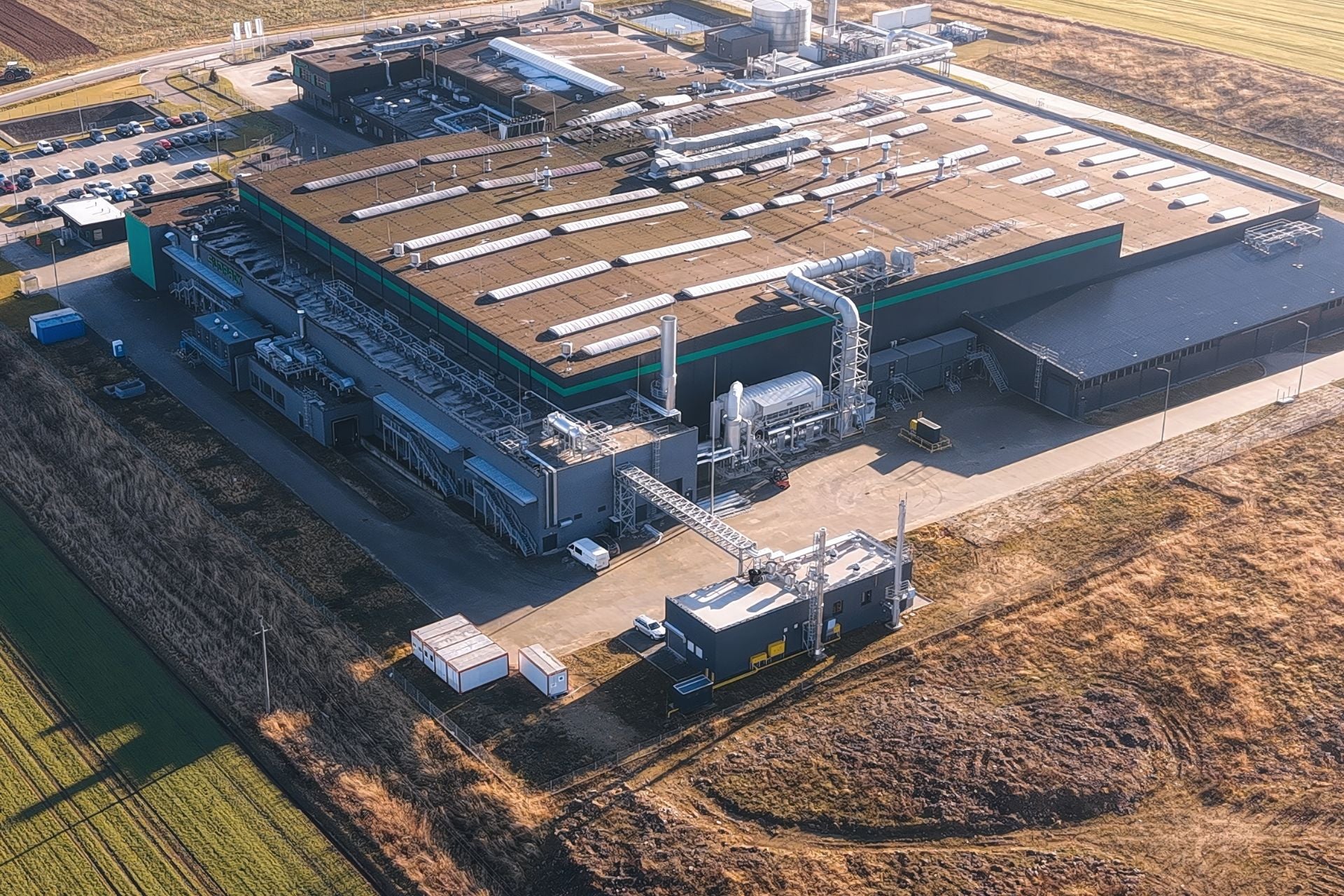
OpenAI is now asking both collaborators and the general public to call its huge server farms by a more upbeat expression, replacing the technical phrase “data center” with a term it calls “pleasant” and kinder to the imagination.
The initiative reflects a wider trend of prominent individuals trying to recast language surrounding controversial issues. In recent weeks, former President Donald Trump has promoted substitute names for several policies, highlighting how word choice can serve as a strategic instrument in public debate.
OpenAI’s reasoning is partly pragmatic. Data centers consume large amounts of energy to run everything from language models to image generators, and the firm has been examined for the environmental impact of its computing work. By choosing a gentler label, OpenAI aims to temper how these power‑hungry sites are viewed while drawing attention to its continued investments in renewable energy and efficiency.
Analysts point out that the technology industry regularly rebrands to shape perception. Phrases like “cloud computing” have supplanted the more literal “remote servers,” and “machine learning” is often presented as a more approachable alternative to “statistical inference.” OpenAI’s newest linguistic adjustment follows this pattern of presenting intricate infrastructure in more user‑friendly terms.
Critics caution, however, that a name change alone does not solve the core issues. Environmental advocates contend that attention should stay on tangible cuts in carbon emissions instead of wordplay. Others note that rebranding may amount to “greenwashing” unless it is paired with open reporting on energy consumption and sustainability goals.
OpenAI has not revealed the precise wording it wants to champion, but spokespersons said the fresh term will show up in forthcoming marketing collateral, developer documentation, and perhaps on on‑site signage. The company also mentioned plans for an educational drive that will explain the change and its connection to the wider goal of responsible AI development.
It remains uncertain whether the new label will gain traction. Adoption of terminology usually hinges on a mix of corporate outreach, media attention, and user acceptance. Should it take hold, the shift could shape how people picture the hidden infrastructure behind AI services, possibly allaying worries while keeping focus on performance and sustainability objectives.



Comments (0)
Be the first to comment.
Join the discussion