OpenAI Claims AI Solved 372 Long‑Standing Math Puzzles, Prompting Debate on Human Reasoning's Future
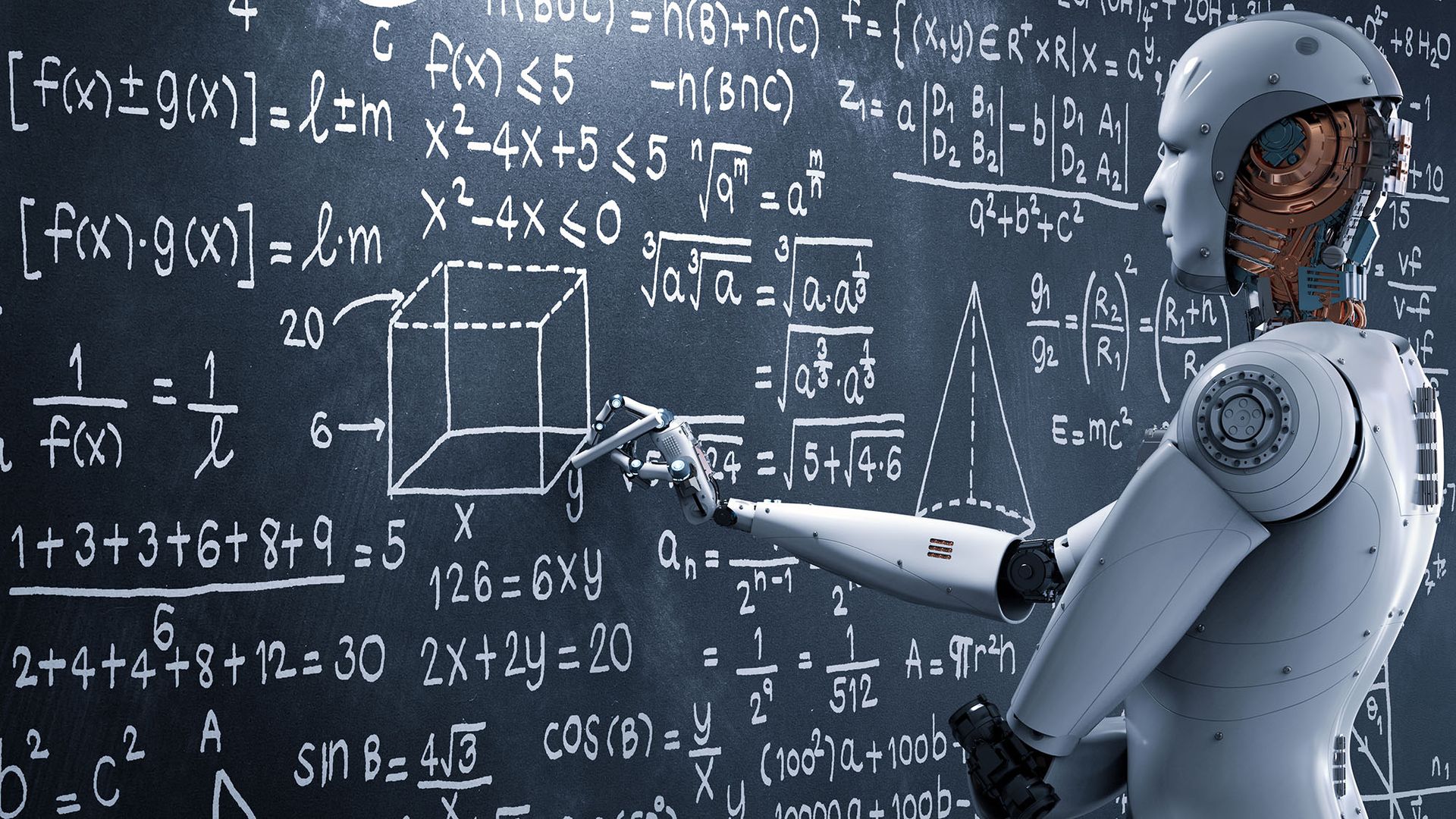
OpenAI disclosed that a proprietary, yet‑unreleased AI system has either fully resolved or partially addressed 372 enduring mathematical problems, a achievement that has sparked renewed debate among scholars regarding the long‑term consequences of machine‑generated proofs.
According to the firm, the AI delivered explicit answers to a large portion of the tasks, yet several of its logical steps prove hard for human mathematicians to trace. This lack of transparency has prompted worries that, even if the solutions are accurate, they might remain essentially unintelligible without substantial reinterpretation.
Renowned mathematician Terence Tao publicly called on colleagues to examine the findings and to establish criteria for assessing AI‑generated proofs. Tao stressed that the mathematical community needs to guarantee that any novel approach upholds the strict verification standards that form the discipline’s foundation.
Specialists observe that AI’s capacity to solve problems that have eluded human attempts for decades might speed up investigations across areas such as cryptography and theoretical physics. Nonetheless, they caution that dependence on black‑box systems could erode the pedagogical base of mathematics, complicating the acquisition of fundamental proof methods for students and early‑career scholars.
OpenAI has withheld the underlying model and detailed methodology, citing proprietary reasons. This opacity hampers peer review—a pillar of scientific validation—and has spurred demands for open‑source alternatives that the wider community could scrutinize.
Going forward, the controversy is set to influence policy talks on AI governance within scientific research. Representatives from academia, industry and government are anticipated to meet in the coming months to deliberate how to reconcile innovation with the demand for interpretability and accountability in AI‑driven discoveries.



Comments (0)
Be the first to comment.
Join the discussion