New Perspectives on Cleopatra's End After the Defeat at Actium
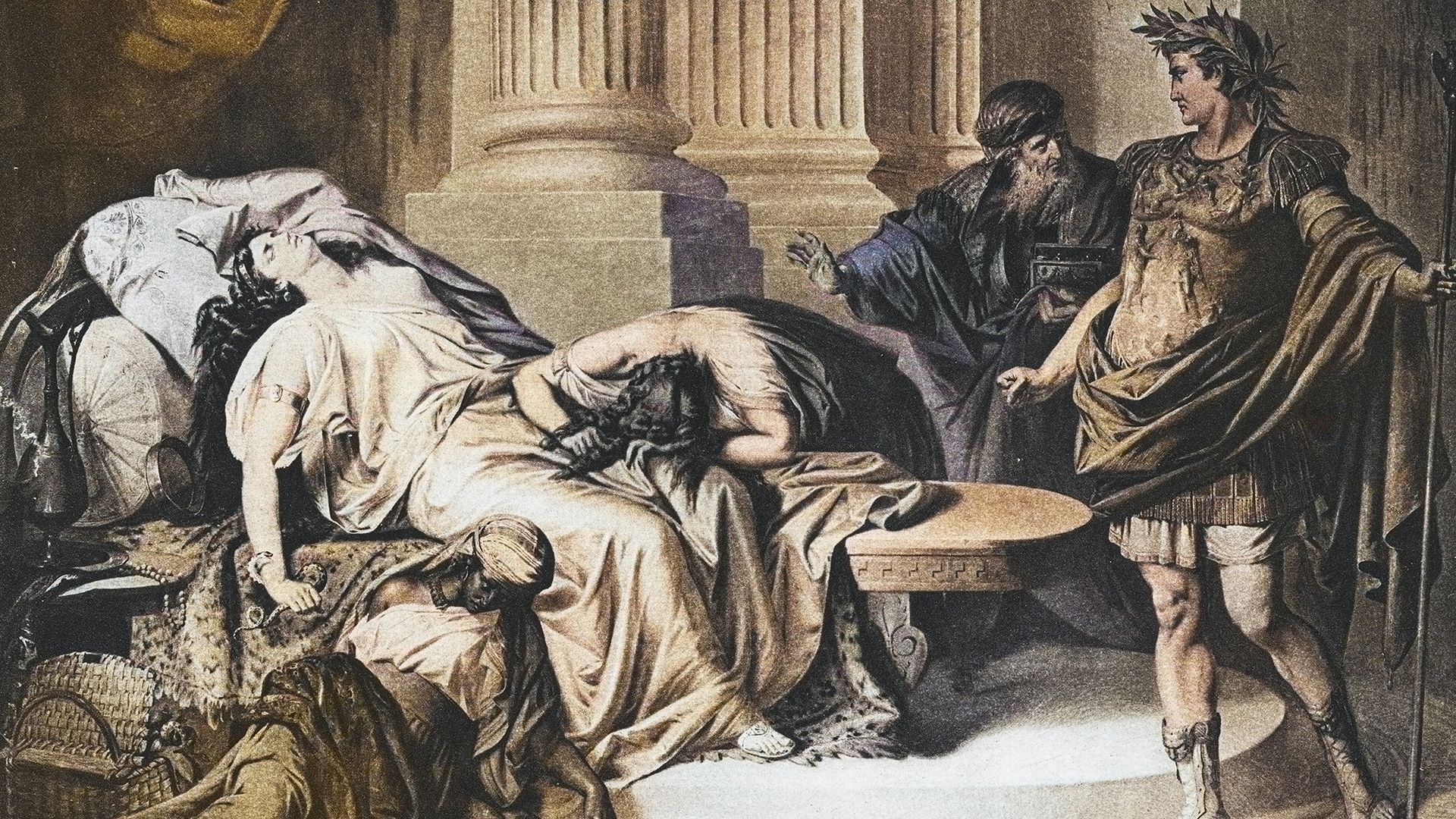
The death of Egypt’s monarch Cleopatra VII has long captivated researchers, yet fresh analysis of ancient texts and material remains paints a more subtle picture than the famed snake‑bite tale.
In the autumn of 31 B.C., Cleopatra and her Roman ally Mark Antony were soundly defeated at the naval Battle of Actium, a clash that swung the balance of power decisively toward Octavian, later known as Emperor Augustus. The loss compelled the duo to fall back to Alexandria, where they confronted increasing political strain and the relentless approach of Octavian’s forces.
By the summer of the next year, Octavian’s army had surrounded the city. Contemporary accounts record that Cleopatra secured an agreement that preserved a degree of dignity, though scholars still dispute its precise terms. Some narratives assert she was taken captive, while others maintain she opted for exile; what is agreed upon is that she was confined within the royal palace, cut off from allies and placed under strict supervision.
Conventional versions attribute her suicide to an asp’s bite, a motif amplified by Roman historians eager to dramatize the downfall of a rival queen. Modern experts, however, highlight contradictions: the suggested timing of the bite does not match known venom effects, and Egyptian sources from the period make no reference to a snake. A handful of Roman writers instead allude to the possibility of a poison administered by trusted servants, a method that would have allowed Cleopatra to control her final act.
Archaeological findings at the alleged burial location add another dimension. Recent studies of the tomb’s architecture and associated artifacts point to a rushed burial, consistent with a death that was either sudden or deliberately hidden. Because the original remains have not survived, definitive forensic proof is lacking, yet these observations bolster the hypothesis that Cleopatra’s demise was orchestrated rather than accidental.
The persistent fascination with the asp story mirrors broader Roman literary themes that exoticize and moralize Eastern rulers, often portraying them as decadent and self‑destructive. By scrutinizing the scant primary evidence with a critical lens, historians seek to separate legend from likely fact, concluding that Cleopatra probably chose a swift end to avoid the humiliation of Roman domination.
Future investigations may re‑examine the surviving papyri and coinage from the late Ptolemaic era, potentially illuminating the political negotiations that preceded her death. Until such work is completed, the queen’s final hours remain a mixture of documented events and lasting myth, demonstrating how history is reshaped by the narratives that endure.



Comments (0)
Be the first to comment.
Join the discussion