Drone survey reveals stark divide in New Zealand’s erect‑crested penguin colonies
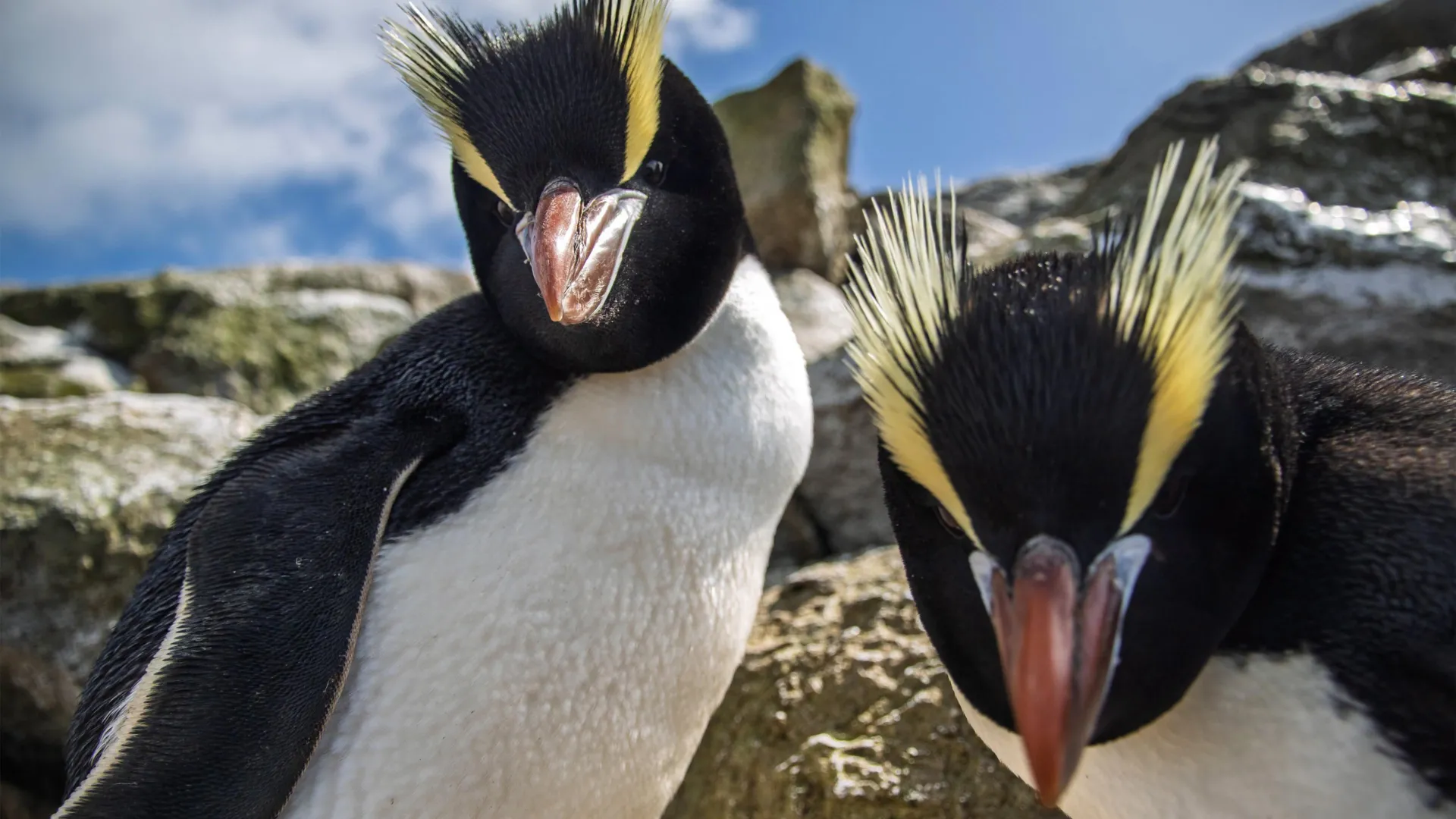
An aerial study conducted with unmanned drones has uncovered an unexpected divergence in the status of New Zealand’s endangered erect‑crested penguins, showing one colony remaining stable for decades, whereas another has declined by over 40 %.
The erect‑crested penguin, a diminutive flightless bird that nests solely at a few coastal locations on the South Island, has long held an endangered status due to its restricted distribution and susceptibility to introduced predators. Conservationists have warned for years that, without intensive stewardship, the species could vanish from the wild.
During the height of the breeding season, researchers sent a fleet of lightweight drones over the two principal nesting sites, obtaining high‑resolution photographs that enabled counts of nests, chicks and adult birds without disrupting the colonies. This technology, now widely used in wildlife monitoring, delivered a population snapshot far more accurate than previous ground‑based tallies.
Review of the images revealed that the northern colony, positioned adjacent to a protected reserve, has kept a fairly steady count of breeding pairs for a minimum of thirty years. Conversely, the southern colony, set on a more exposed coast, showed a sharp reduction, with the newest tally reflecting about a 40 % loss of its birds. Researchers link this decline to several causes: predation by stoats, feral cats and rats that have found easier entry to the nesting grounds, together with deteriorating marine conditions that diminish the supply of the small fish and krill the penguins rely on.
These results highlight the pressing need for focused conservation measures. Officials are already devising stronger predator‑control initiatives around the at‑risk colony and are assessing ways to boost marine protection to secure food resources. Ongoing drone surveillance will allow managers to gauge the success of these actions and tweak approaches as required, presenting a hopeful route forward for a species perched on the edge of extinction.



Comments (0)
Be the first to comment.
Join the discussion