New Method Significantly Improves RNA Recovery from Human Lung Slices
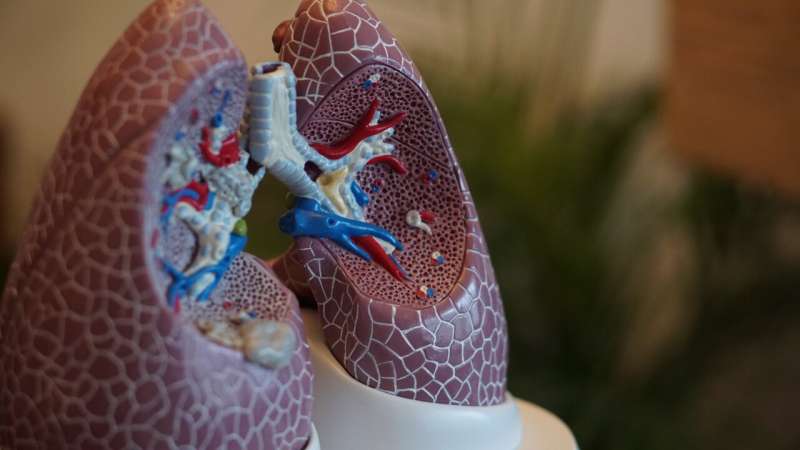
Researchers have introduced a refined lab protocol that dramatically raises both the yield and integrity of RNA extracted from precision‑cut lung slices, a preparation that maintains the organ’s native cellular makeup for ex‑vivo study.
Precision‑cut lung slices (PCLS) consist of thin sections taken from fresh human lung tissue, preserving the complex arrangement of airways, vasculature and immune cells. Their viability for several days makes them valuable for probing disease pathways, testing inhaled therapeutics, and examining viral responses without the need for animal models.
A longstanding obstacle has been the stabilizing medium—usually a low‑melting agarose or comparable hydrogel—used during slicing. This polymer tends to sequester nucleic acids and interfere with the reagents of standard extraction kits, leading to poor RNA yields and degraded material unsuitable for high‑resolution gene‑expression analysis.
To overcome this limitation, the team modified the lysis stage by adding a short enzymatic digestion that degrades the embedding matrix, followed by a tailored buffer that safeguards RNA from decay. Direct side‑by‑side tests showed the updated workflow delivering up to three times more intact RNA than traditional approaches, with integrity scores comfortably meeting the thresholds for next‑generation sequencing.
The boost in RNA recovery enables more comprehensive transcriptomic investigations of PCLS, encompassing bulk RNA‑seq and emerging single‑cell techniques. Scientists can now assess how distinct lung cell types react to pollutants, allergens, or drugs with enhanced statistical confidence, even when only limited tissue is available.
Because the procedure employs reagents that are standard in most molecular biology laboratories, the authors anticipate swift uptake across pulmonary research facilities. They also propose that the same strategy could be extended to precision‑cut slices of other organs, potentially simplifying gene‑expression work in heart, liver or kidney tissue. The complete protocol has been released publicly, facilitating broader application in drug discovery and personalized‑medicine studies.


Comments (0)
Be the first to comment.
Join the discussion