New Method Lets Five Silicon Qubits Operate Together With Near‑Ideal 99.9% Fidelity
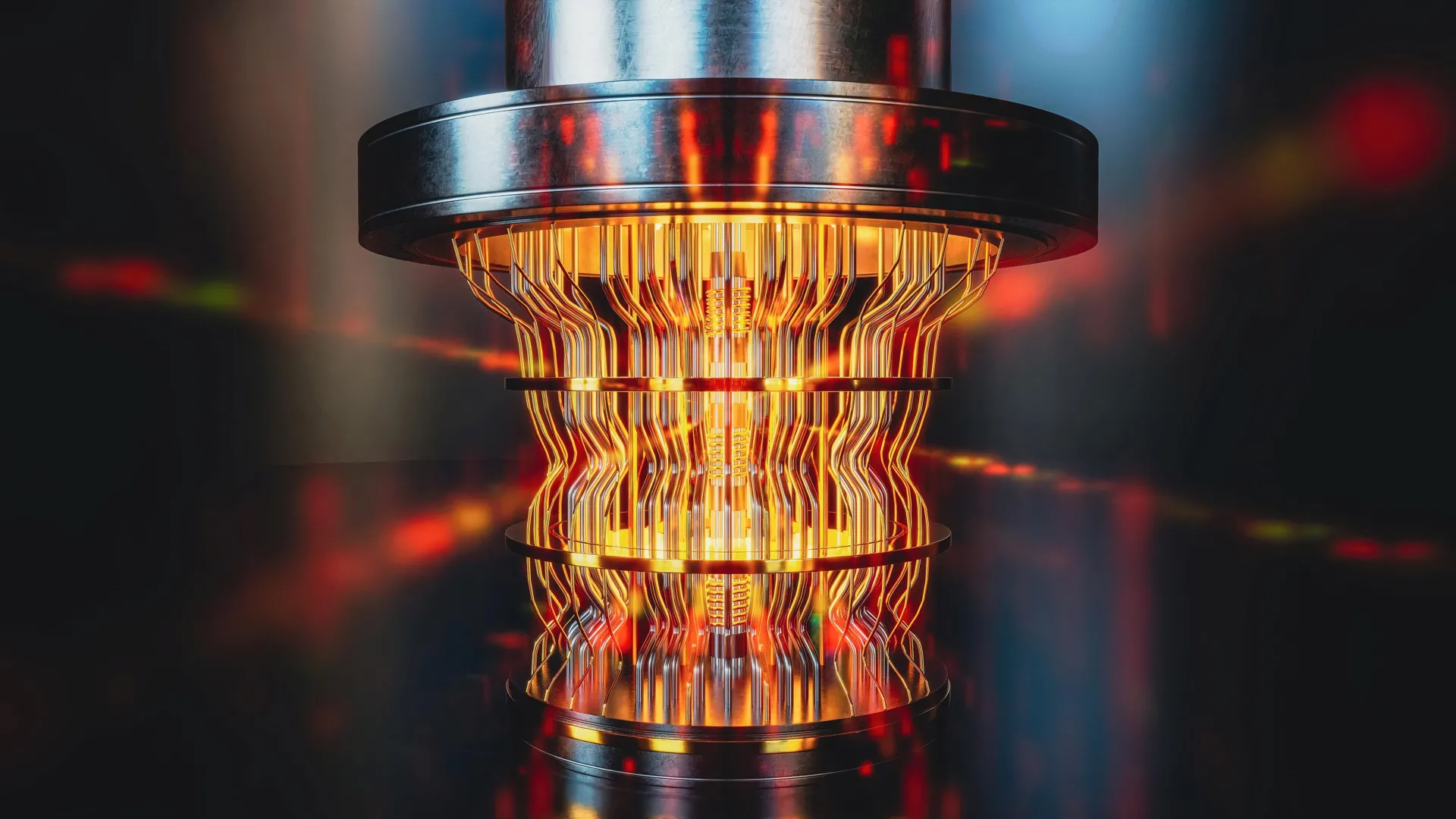
A team of researchers disclosed a technique enabling five silicon‑based quantum bits (qubits) to operate in concert with an approximate 99.9 % fidelity. This result tackles a persistent challenge in the quest for larger, fault‑tolerant quantum processors, where keeping high precision among several interacting qubits has been extremely hard.
Using silicon wafers that replicate the semiconductor processes found in ordinary electronics, the researchers created a control protocol that aligns the qubits’ actions while avoiding the noise that normally reduces performance. By carefully adjusting the timing and voltage pulses that drive each qubit, they maintained error rates similar to those observed for an isolated single qubit.
Such precision is crucial since quantum error correction—necessary for expanding beyond a few qubits—demands each gate to succeed well above the 99 % threshold. In the past, expanding silicon‑based qubit counts caused a sharp fidelity decline, compelling scientists to either cap system size or adopt more intricate, less scalable designs. This novel approach shows that silicon, already a staple of the micro‑chip sector, can satisfy the rigorous requirements of quantum computing while preserving scalability.
Analysts suggest that this advance may speed the incorporation of quantum processors into current manufacturing streams. Because silicon qubits can be fabricated with the identical lithographic techniques that create billions of classical transistors, production costs could drop and the shift from lab‑scale prototypes to marketable devices could quicken. Although the present test features just five qubits, the core concepts are anticipated to scale to bigger arrays, opening the path toward future quantum chips.
Going forward, the team intends to apply the control scheme to larger silicon lattices and integrate it with upcoming error‑correction codes. Success would draw practical quantum advantage—where quantum machines tackle tasks unattainable for classical computers—nearer in areas like cryptography, materials science, and complex optimization. At present, the study serves as a strong indication that the previously concealed obstacles to scaling silicon quantum hardware are starting to break down.



Comments (0)
Be the first to comment.
Join the discussion