Long‑Lost Firefly Found After 43 Years Highlights Insect Decline Across North America
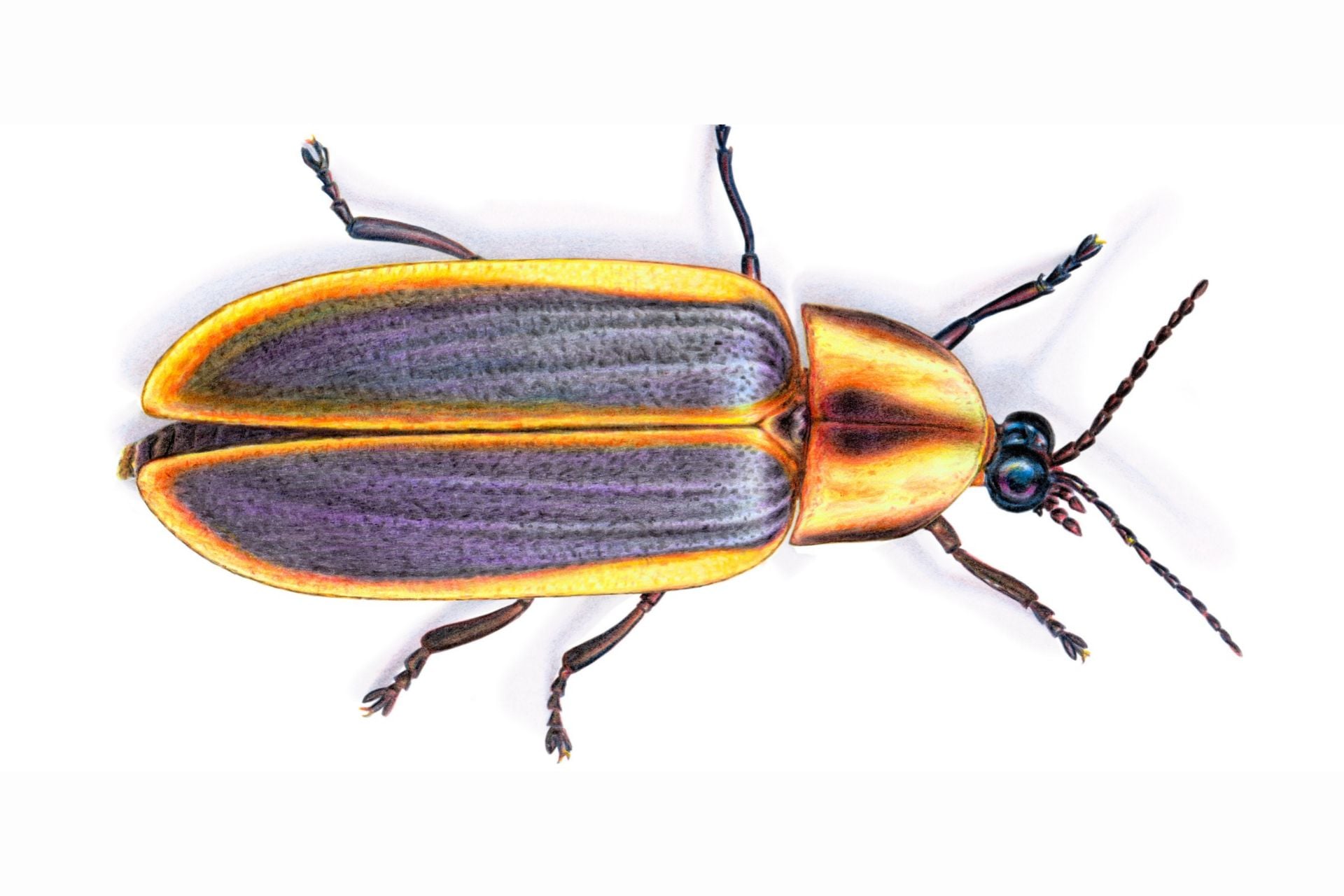
After disappearing from scientific documentation for 43 years, a firefly has been rediscovered, a finding that underscores a wider trend of dwindling insect numbers throughout the United States and Canada.
Caught during a nocturnal survey in a Midwestern woodland, the specimen—belonging to the genus Photinus—marks a notable event. Scientists point out that the insect has not been recorded since the early 1980s, and its emergence coincides with a period in which over twenty‑four firefly species throughout North America have gone unobserved for ten years or more.
Entomologists link the paucity of firefly sightings to a mix of habitat destruction, light pollution, and climate change. These insects depend on particular wetland and meadow settings for reproduction, yet urban sprawl has broken up those areas. Moreover, artificial illumination disrupts their bioluminescent courtship signals, hampering breeding success.
“Finding this firefly again is something to celebrate, yet it also underscores the delicacy of these ecosystems,” remarked a biologist who participated in the survey and wished to stay anonymous until publication. “It demonstrates that certain populations may survive out of sight, but it also stresses the need for systematic monitoring.”
Conservation organizations have warned that fireflies act as indicator species for overall environmental condition. Their luminescence results from a chemical reaction vulnerable to pesticides and water pollutants, so their presence—or lack thereof—serves as a valuable gauge of ecosystem health.
To address the rising alarm, multiple state wildlife agencies are broadening nocturnal insect surveys and collaborating with citizen scientists to record firefly observations. Mobile applications enabling volunteers to submit glow‑pattern data have gained traction, delivering researchers real‑time distribution information that was previously lacking.
Although the newly found firefly provides a spark of optimism, specialists warn that singular victories do not reverse the general decline. The International Union for Conservation of Nature (IUCN) has not yet evaluated many North American firefly species, leaving their conservation status unclear.
Next actions involve establishing protected wetland corridors, launching dark‑sky programs to curb light pollution, and encouraging pesticide‑free landscaping. As researchers persist in tracking the absent fireflies, this recent discovery stands as a concrete reminder that species presumed extinct can survive if their habitats are allowed to rebound.



Comments (0)
Be the first to comment.
Join the discussion