Latest Study Refines Numbers for Indigenous Peoples at Columbus’s 1492 Arrival
Researchers representing multiple universities disclosed a joint project aimed at narrowing the enduring dispute about the number of Indigenous inhabitants living in the Americas when Christopher Columbus arrived in 1492. Integrating archaeological fieldwork, paleo‑environmental evidence, and updated epidemiological modeling, the group intends to surpass the broad estimates that have long characterized the discipline.
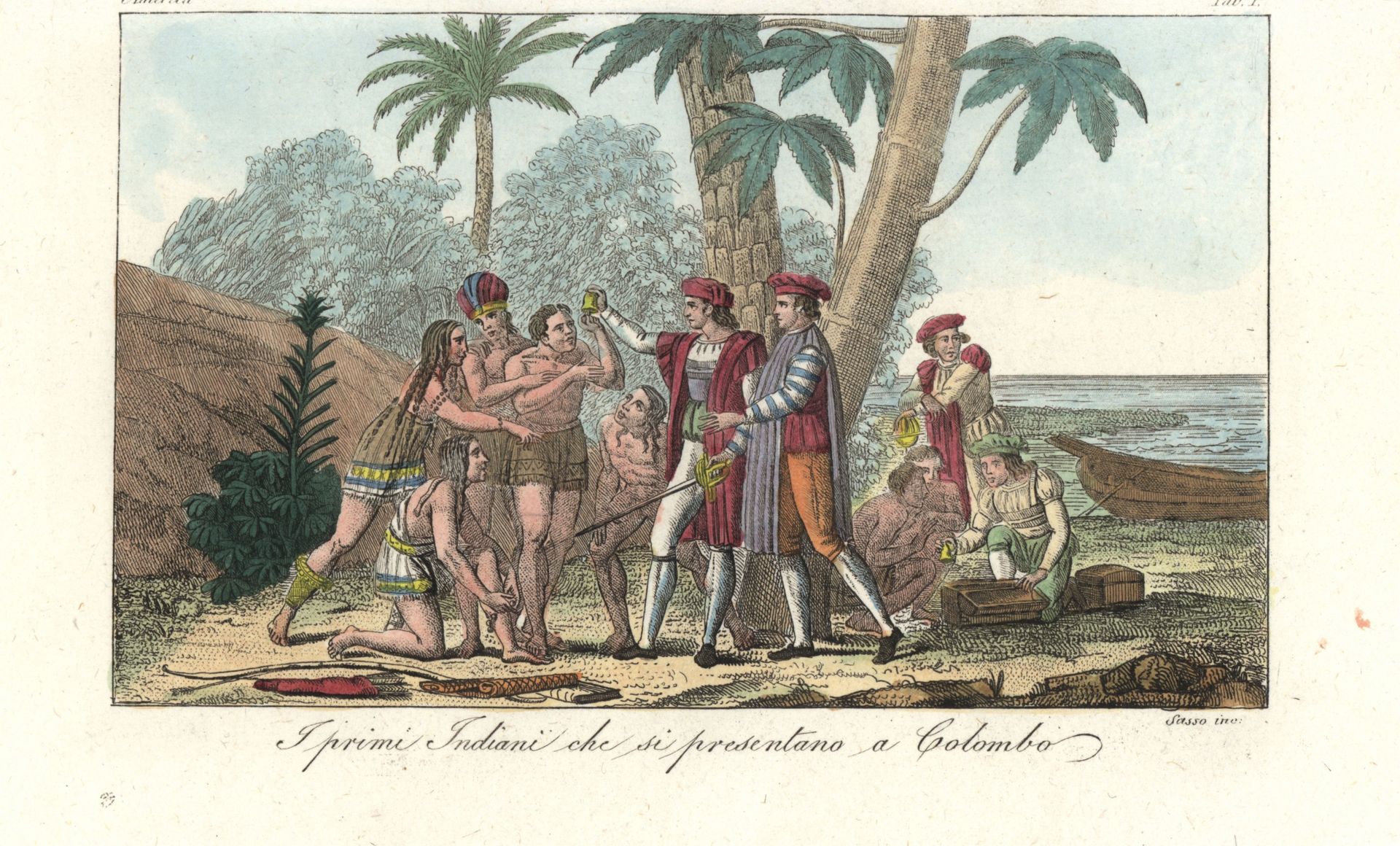
In his journal, Columbus notes that on the Bahamian island later called San Salvador he was met by “great multitudes of men” belonging to the Lucayan people. The locals engaged in trade, shared knowledge, and presented a crowd that astonished the explorer. Though this record gives a striking glimpse of a single island population, it supplies scant information about the wider demographic picture of the continents he would later traverse.
Understanding the pre‑contact population size is crucial, as it shapes views on cultural sophistication, resource use, and the devastating effects of European diseases. Past academic guesses have ranged from a few million up to more than one hundred million people, based on differing views of settlement distribution, farming potential, and epidemic velocity. Detractors caution that such divergent figures can distort public perception of Indigenous cultures and the magnitude of loss after contact.
In this investigation, high‑resolution satellite photos are used to chart settlement clusters, and radiocarbon dating of charcoal deposits provides chronological markers of habitation. Scholars also re‑examine colonial documents—not to derive exact population counts, but to assess settlement density and trade linkages. Incorporating these inputs into disease‑spread models enables the team to estimate the speed at which smallpox, measles and similar illnesses could have traversed densely populated zones, thereby yielding indirect evidence of population magnitude.
Initial results indicate that the Americas hosted a considerably larger and more networked collection of societies than the lowest historical guesses permit, even though the precise number is still being refined. The researchers aim to release a comprehensive report later this year, hoping that a sharper demographic view will enrich scholarly debate and public teaching about the continent’s pre‑colonial legacy. As the work advances, it could also steer heritage‑preservation initiatives by pinpointing areas where ancient settlement traces are most probable.


Comments (0)
Be the first to comment.
Join the discussion