Killer Whales Deploy Unseen 'Explosive' Hunting Method on Sunfish in Gulf of California
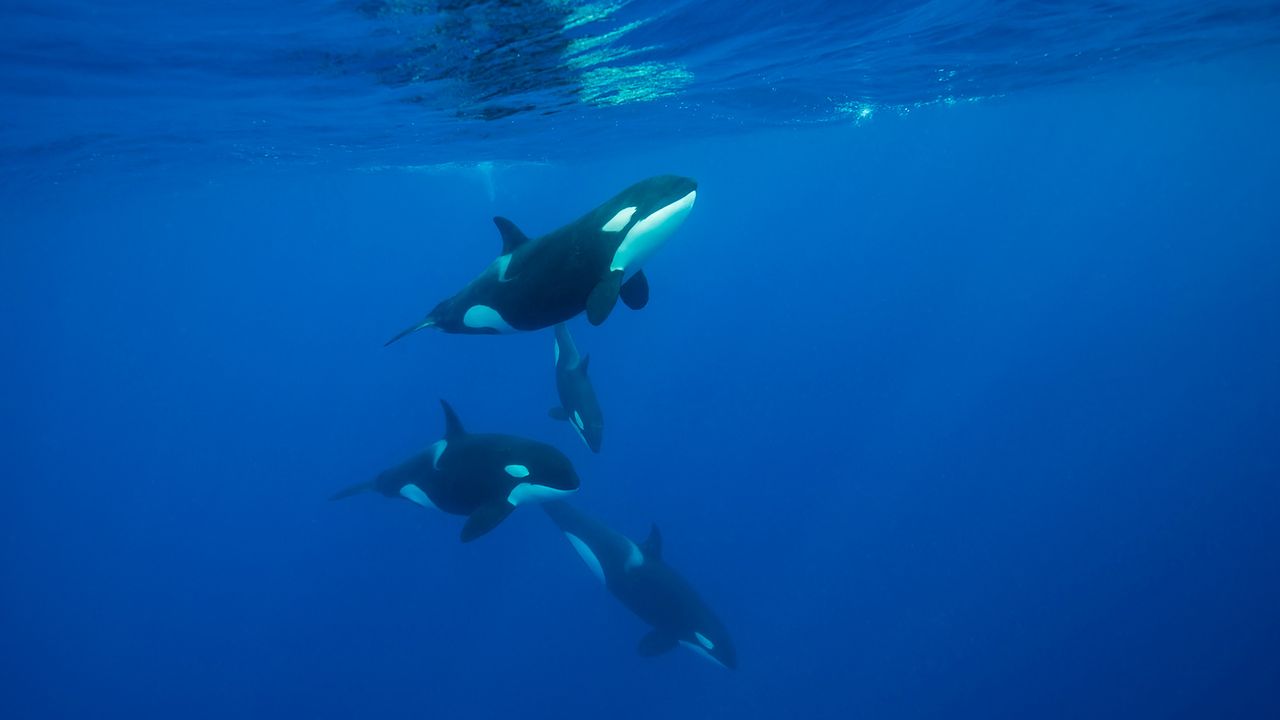
Marine life researchers in the Gulf of California have recorded an astonishing and never-before-seen behavior in orcas: a collaborative strategy to aggressively break apart sunfish, indicating a brand-new way of preparing food. Described by onlookers as exceptionally rare, this violent encounter saw the mighty marine predators strike the massive fish repeatedly with enough power to cause them to disintegrate.
First reported by LiveScience, these extraordinary observations describe how pods of killer whales focused on sunfish, utilizing high-impact headbutts that literally ripped the prey to pieces. Experts believe this intense physical breakdown is an intentional approach to turn the massive, highly bony sunfish into smaller, more easily consumed pieces.
This finding has sparked significant curiosity among scientists, introducing a fresh aspect to the already wide-ranging behaviors of these incredibly smart apex predators. Although killer whales are famous for their advanced hunting tactics and immense physical strength, this particular style of tearing apart sunfish stands out from any formerly recorded feeding habits.
Orcas, or killer whales, are top-tier predators recognized for their intricate social networks and highly versatile hunting techniques, which differ greatly depending on the population and habitat. Their methods stretch from working together to herd fish to launching organized strikes on seals and even larger whales. Nevertheless, the orderly and explosive destruction of sunfish highlights a unique, newly adopted or evolved method.
Sunfish, scientifically referred to as Mola mola, hold the title of the world's heaviest bony fish, known for their flat shapes and frequently massive proportions. Because of their thick, cartilaginous skin and substantial skeletal structure, they are rarely targeted as a main food source by predators, yet the killer whales' novel approach bypasses these obstacles by physically shattering the fish.
The significance of this sighting is profound for our comprehension of orca versatility and how new habits might be culturally passed down through their pods. Scientists will certainly want to discover whether this represents a single occurrence, a regional development, or a growing trend spreading across various orca groups, emphasizing the ever-changing nature of ocean ecosystems and their inhabitants.
As researchers keep decoding the secrets of the ocean, events such as this offer a powerful reminder of the immense, uncharted intricacies of marine life. Continuous observation of killer whales in the wild regularly uncovers fresh details about their cleverness, social structures, and their remarkable ability to adapt and find creative ways to secure food.


Comments (0)
Be the first to comment.
Join the discussion