Excess Miro1 Protein Linked to Insulin Resistance in Type‑2 Diabetes
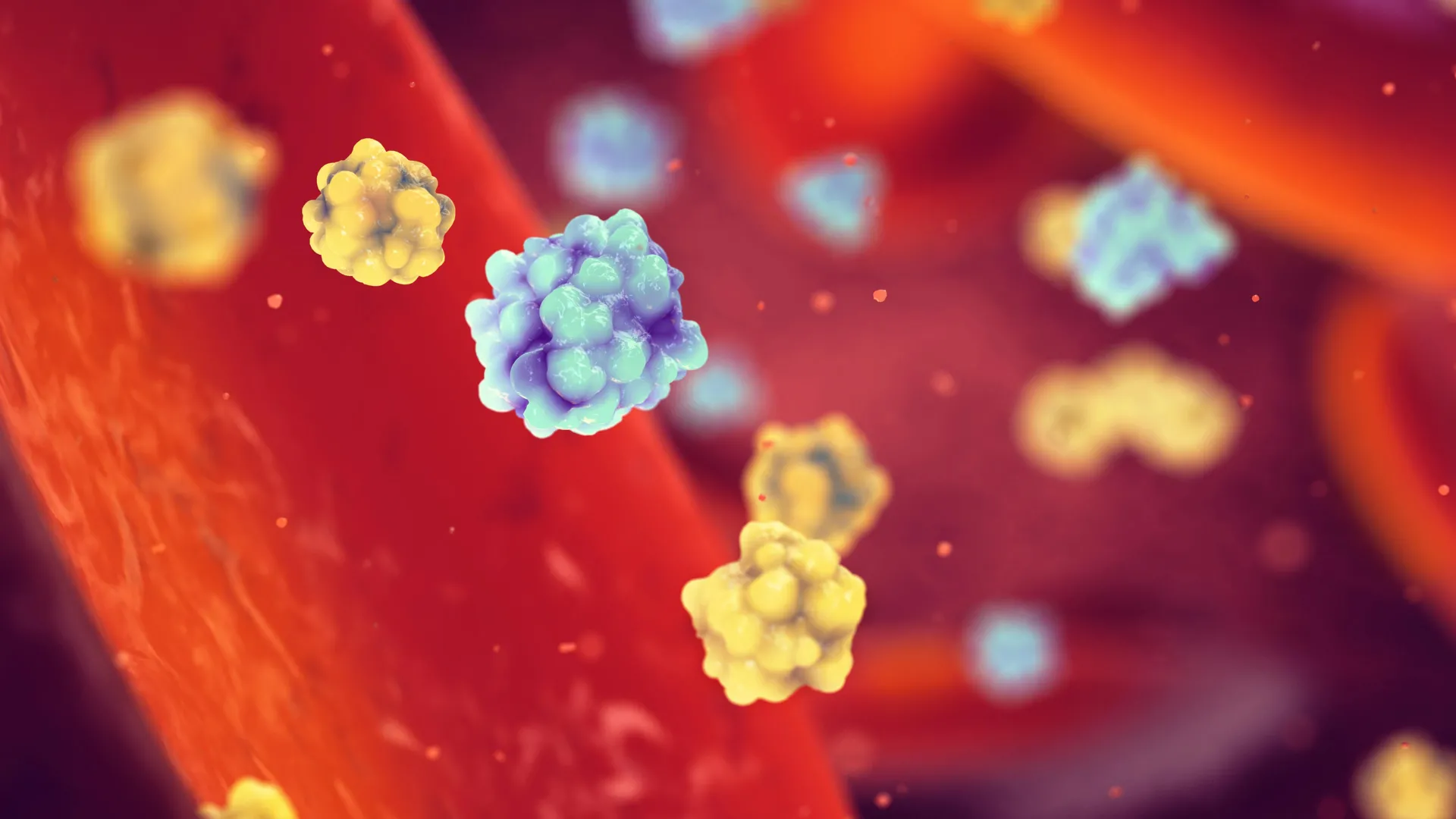
A team of researchers has pinpointed the mitochondrial protein Miro1 as a covert contributor that hampers skeletal muscle’s response to insulin, a defining feature of type‑2 diabetes. In laboratory tests, mice engineered to eliminate surplus Miro1 restored normal glucose uptake in their muscle tissue, indicating the protein’s direct involvement in the disease.
The study, carried out by metabolic scientists, examined how muscle cells interpret insulin cues. Diabetic animal models displayed a pronounced rise in Miro1 levels, which coincided with a dampened activation of the insulin‑signaling cascade. Removing the protein experimentally revived the pathway, leading to improved blood‑sugar control without additional treatments.
These results add another piece to the intricate puzzle of insulin resistance, historically associated with obesity, chronic inflammation and lipid buildup. Miro1 is situated on the outer mitochondrial membrane—the cell’s powerhouses—and is known to govern mitochondrial trafficking and calcium handling. By tying its overabundance to impaired insulin signaling, the work highlights mitochondrial dynamics as a previously under‑recognized factor in metabolic disease.
Crucially, the investigators found that routine physical activity reduced Miro1 concentrations in muscle. Mice subjected to a treadmill‑based exercise program exhibited protein levels similar to those of healthy controls, alongside a parallel rise in insulin sensitivity. This observation dovetails with the long‑standing clinical view that exercise aids glucose regulation, offering a molecular rationale that could inform future therapies.
Although the research remains at the preclinical stage, it opens the possibility of directly targeting Miro1 with pharmacological agents or modulating its expression through lifestyle changes. Experts warn that extrapolating mouse data to humans will demand extensive validation, yet the clear mechanistic link supplies a concrete target for upcoming investigations.
Should later studies confirm Miro1’s role in human diabetes, treatment strategies might be reshaped, complementing current approaches centered on diet, weight control and medication. For now, the discovery underscores the significance of mitochondrial health in metabolic regulation and fuels momentum toward exploiting exercise‑driven molecular shifts to fight type‑2 diabetes.


Comments (0)
Be the first to comment.
Join the discussion