iPhone Duo Omits Key Flagship Specs, Sparking Buyer Queries
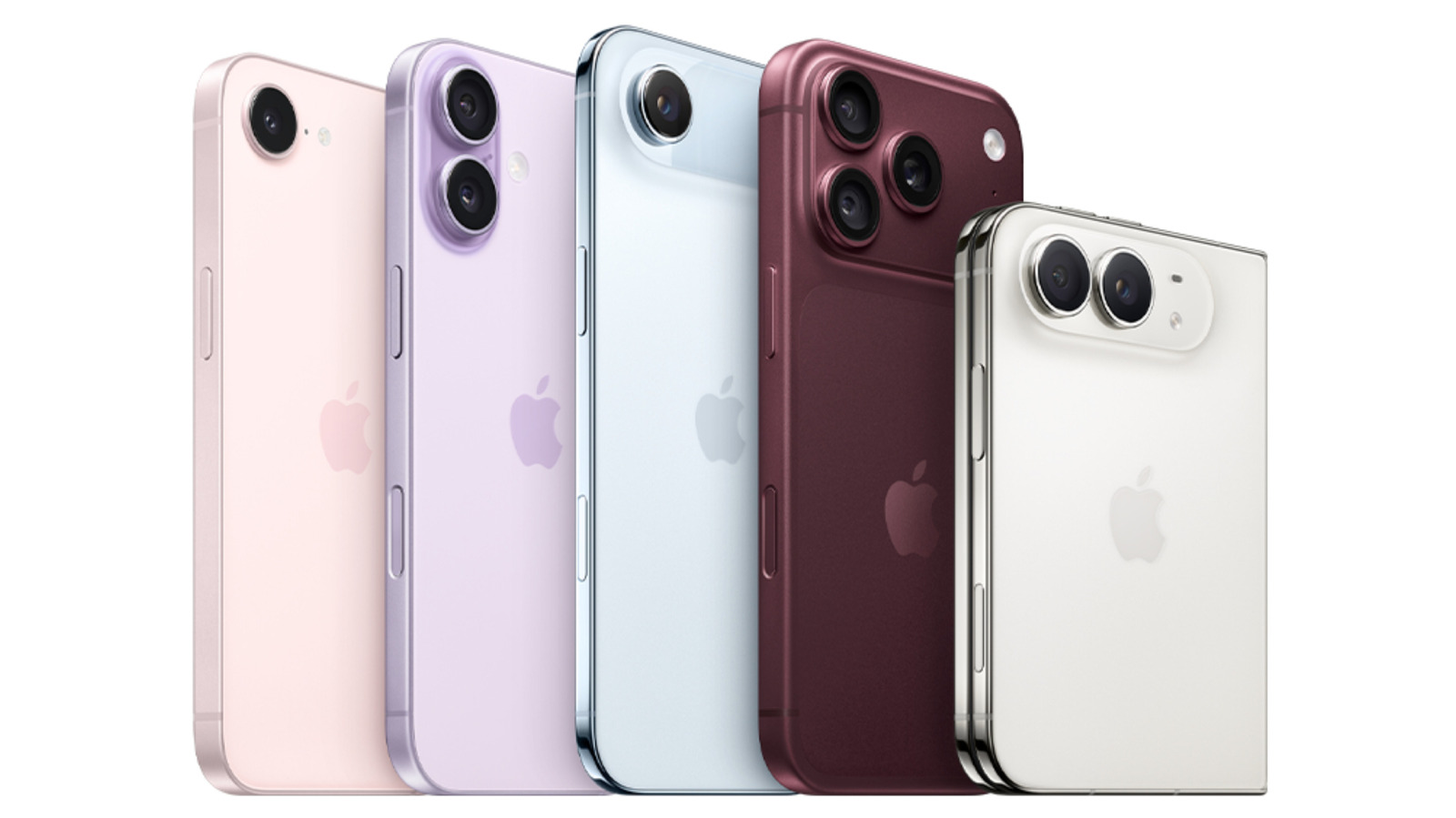
Apple's newest handset, the iPhone Duo, hits shelves lacking several features that have become standard on recent iPhone releases, leading analysts to probe the reasoning behind these exclusions.
Although the Duo retains the company's signature design cues and baseline performance metrics, it drops a number of upgrades users typically expect, including the latest camera improvements, the higher‑refresh‑rate screen introduced with the iPhone 15 line, and certain software functions that depend on newer hardware sensors. This choice represents a noticeable shift from Apple's recent pattern of rolling out features incrementally.
Commentators argue the strategy could be to make the phone more price‑friendly, casting the Duo as a cheaper alternative for consumers who want the iPhone ecosystem but don’t need top‑tier specifications. By removing a selection of premium components, Apple can cut manufacturing expenses while still delivering a device that runs iOS 18 and provides the full range of core services such as iCloud, Apple Pay, and the App Store.
Reactions from shoppers are split. Early buyers attracted by the lower price like the simplified package, whereas long‑time enthusiasts accustomed to features like the advanced computational photography suite or ultra‑smooth scrolling have voiced disappointment. Retailers note that the Duo is pulling in a different crowd—first‑time iPhone owners and budget‑aware shoppers—compared with the usual flagship customer base.
Going forward, experts expect Apple might push software updates to narrow some of the functional gaps, potentially offering pared‑down versions of the omitted features through optimization rather than new hardware. The company could also launch a mid‑cycle refresh that brings back certain capabilities if market response signals demand for a more fully equipped mid‑range model. For the moment, the iPhone Duo functions as a calculated experiment in weighing feature sets against price, a formula that may influence future tiering across the tech giant’s portfolio.


Comments (0)
Be the first to comment.
Join the discussion