Huge Exposure of 153 Million Driver’s License Images Reveals Weaknesses in Identity‑Verification Practices
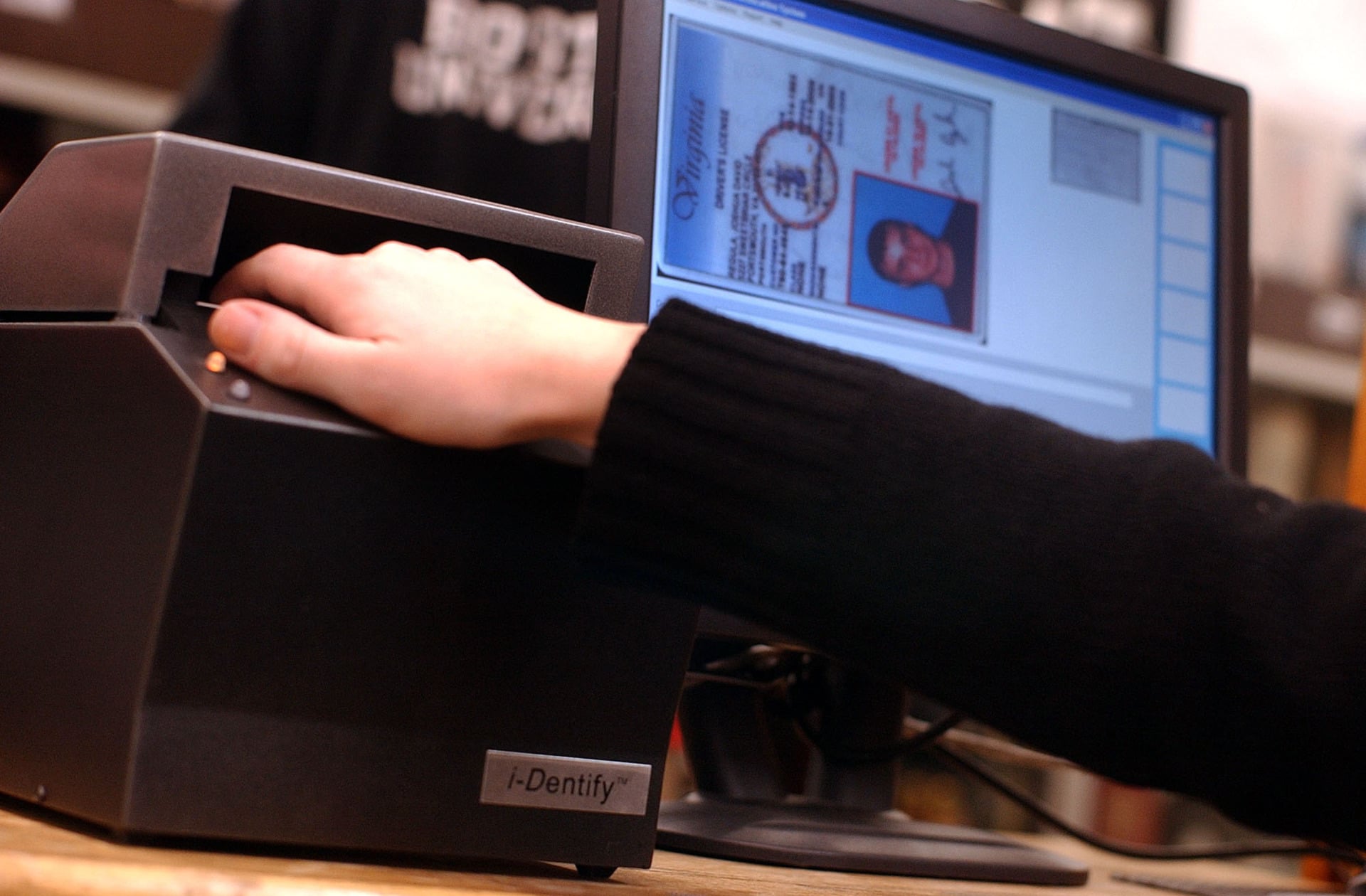
Over 153 million scanned driver’s licenses have appeared on the internet, reportedly lifted from a firm that supplies identity‑verification solutions to commercial clients. Security researchers who first disclosed the breach illustrate how gathering and keeping high‑resolution government‑ID images can backfire once those stores are breached.
The compromised files look to be raw front‑and‑back scans of U.S. driver’s licenses, each accompanied by sparse metadata such as capture date and a reference number used by the verification platform. Although no names or addresses were released with the pictures, the visual data alone enables fraudsters to forge convincing identity documents or to feed automated synthetic‑identity generators.
Identity‑verification providers often function as “honey pots,” amassing copies of official documents to validate a consumer’s credentials for banks, retailers and other regulated bodies. While this approach is meant to ease pressure on government databases, it also creates centralized repositories of the very documents that should remain secure. A breach of those repositories sends shockwaves through every organization that depended on the compromised information.
Specialists caution that the sheer volume of authentic license images could speed up identity‑theft operations. Bad actors may merge the scans with fabricated personal details to open credit lines, secure loans, or circumvent biometric checks that rely on document images. The breach’s magnitude also calls into question the adequacy of current data‑protection frameworks like PCI DSS and ISO 27001 when applied to document‑verification processes.
The implicated verification firm has issued a brief statement acknowledging the incident and committing to cooperate with law‑enforcement agencies. Regulators, including the Federal Trade Commission, have indicated they will review whether existing oversight sufficiently covers the storage of sensitive government IDs. Industry groups are urging stricter encryption mandates, shorter retention periods, and greater transparency regarding how scanned documents are protected.
This exposure highlights an ongoing debate over the future of identity proofing. As biometric and token‑based solutions gain momentum, reliance on static document images may wane, but the shift will demand substantial investment and consumer education. Until such alternatives become commonplace, entities that rely on scanned IDs must rethink their security architectures to avoid similar breaches that could jeopardize millions of individuals.


Comments (0)
Be the first to comment.
Join the discussion