Georgia Man Says County Deputies Used Flock Cameras to Track Him After Filing Suit
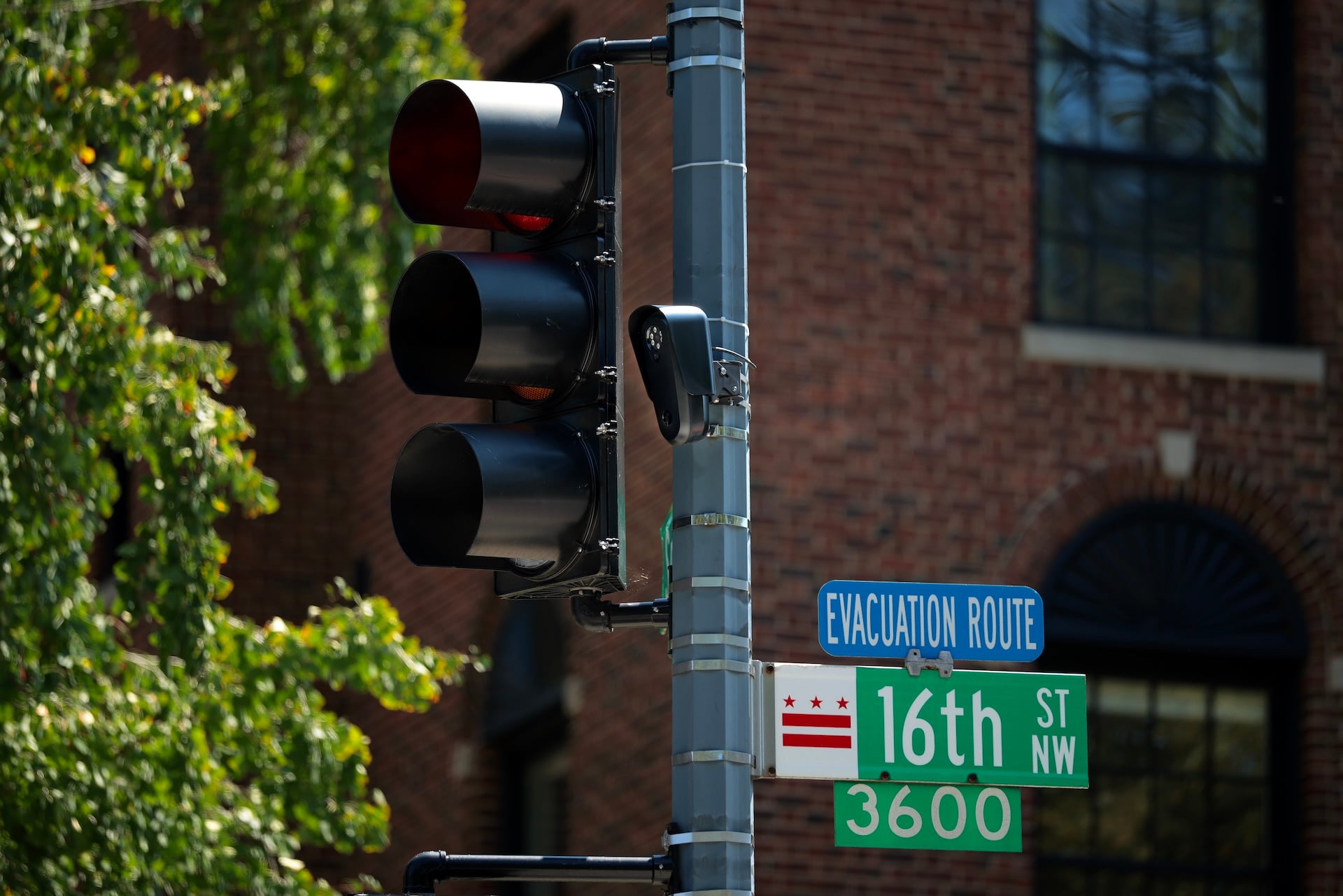
A Georgia resident has lodged an official complaint alleging that county deputies accessed publicly‑available Flock camera footage to monitor him following his lawsuit against the sheriff's office. According to the plaintiff, the surveillance started soon after he filed paperwork accusing the sheriff’s department of misconduct, and he has subsequently observed police vehicles repeatedly cruising near his house and place of work.
The filing individual, who wishes to stay anonymous until the case is resolved, claims that deputies logged onto the Flock platform—a web‑based service that compiles live streams from traffic and city cameras—to locate his position. His complaint states that the purported monitoring involved watching video from intersections and public roads he frequented, thereby constructing a digital record of his movements.
Beyond the claimed electronic watch, the man says officers shadowed him on several occasions. He reports noticing marked police cars parked near his home and tailing him while he ran everyday errands, which he views as intimidation meant to discourage the suit. The sheriff’s office has not issued a statement, though it usually defends its investigative tactics as legal and in line with public‑record guidelines.
The allegation prompts wider debate over law‑enforcement’s use of open‑source surveillance assets. Although numerous cities provide traffic‑camera streams to the public for safety and traffic‑control reasons, there is no consistent regulation on how officers may repurpose those feeds for investigations. Civil‑rights organizations have cautioned that unrestricted use could erode the boundary between public openness and invasive spying, particularly when aimed at people suing government bodies.
Legal analysts point out that the resolution of this complaint could establish a benchmark for how agencies treat publicly accessible video feeds. Should a court determine that the deputies overstepped lawful investigative limits, it could trigger policy changes or tighter supervision of surveillance‑data use. The matter is still awaiting trial, and the plaintiff intends to request a court order barring any additional monitoring as the suit moves forward.



Comments (0)
Be the first to comment.
Join the discussion