How Apple AirPods Prices Have Shifted from Their 2016 Debut to the 2026 Range
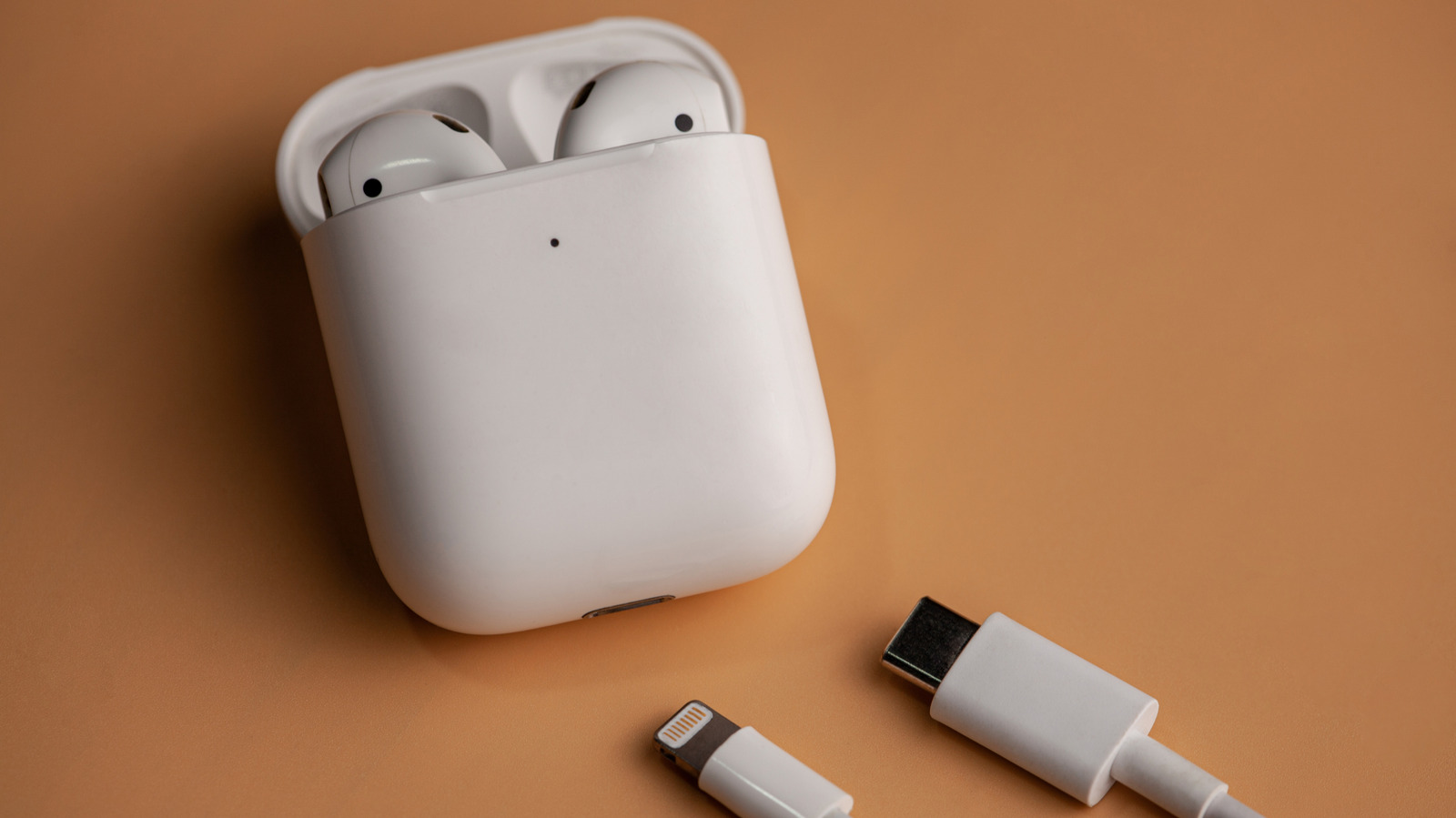
Apple introduced its inaugural wireless earbuds back in 2016, debuting the original AirPods at $159—a price that set them up as a high‑end option in the emerging true‑wireless market. Ten years on, the AirPods lineup now spans several generations and designs, inviting a reassessment of how those costs have evolved for shoppers in 2026.
During that span, Apple rolled out the AirPods Pro in 2019 with a $249 tag and the over‑ear AirPods Max at $549. Every new version brought hardware improvements—active noise cancellation, spatial audio, proprietary Apple chips—and broadened the ecosystem through additions such as Find My support and sweat‑resistant construction. The most recent 2023‑era AirPods (3rd generation) are priced at $199, while the second‑generation AirPods Pro, launched in 2022, continue to cost $249, indicating a fairly steady premium segment.
When inflation is taken into account, the 2016 $159 launch price translates to about $190 in present‑day money. Viewed against that benchmark, the present $199 price for the base AirPods sits near the inflation‑adjusted figure, implying that Apple has mostly maintained its pricing approach even as it has added sophisticated features.
The premium AirPods Max present a contrasting picture. Priced at $549 in both 2020 and 2026, the over‑ear device shows no nominal price hike, yet inflation adjustment reveals an approximate 10 percent rise in real cost. This modest increase can be defended by the Max’s bigger drivers, spatial‑audio processing, and upscale materials, which keep it distinct from rivals in the high‑fidelity headphone arena.
Market forces also shape Apple’s pricing tactics. The true‑wireless earbud market has grown crowded, with competitors delivering similar capabilities at cheaper prices. Apple’s choice to maintain entry‑level AirPods around $199 signals confidence in brand loyalty and the smooth integration of its ecosystem, rather than an attempt to underprice rivals.
Looking forward, analysts expect Apple might roll out a budget‑friendly AirPods version targeting price‑conscious buyers, particularly as Android makers launch sub‑$100 true‑wireless models. On the other hand, the high‑end tier could experience modest price tweaks if Apple adds more advanced health sensors or new spatial‑audio codecs.
For shoppers, the conclusion is straightforward: despite substantial functional upgrades, Apple’s AirPods have kept their headline prices fairly steady when inflation is considered. Buyers looking for the newest features will likely pay a nominal amount similar to what they would have paid ten years prior, while benefiting from better battery life, refined sound processing, and tighter ecosystem ties.
In sum, the ten‑year price path highlights Apple’s tactic of coupling modest hardware enhancements with consistent pricing, a formula that has cemented the AirPods line as a staple in personal audio and a reference point for premium wireless earbuds.


Comments (0)
Be the first to comment.
Join the discussion