Home Wi‑Fi Overload Can Slow Connections, but Easy Adjustments May Help
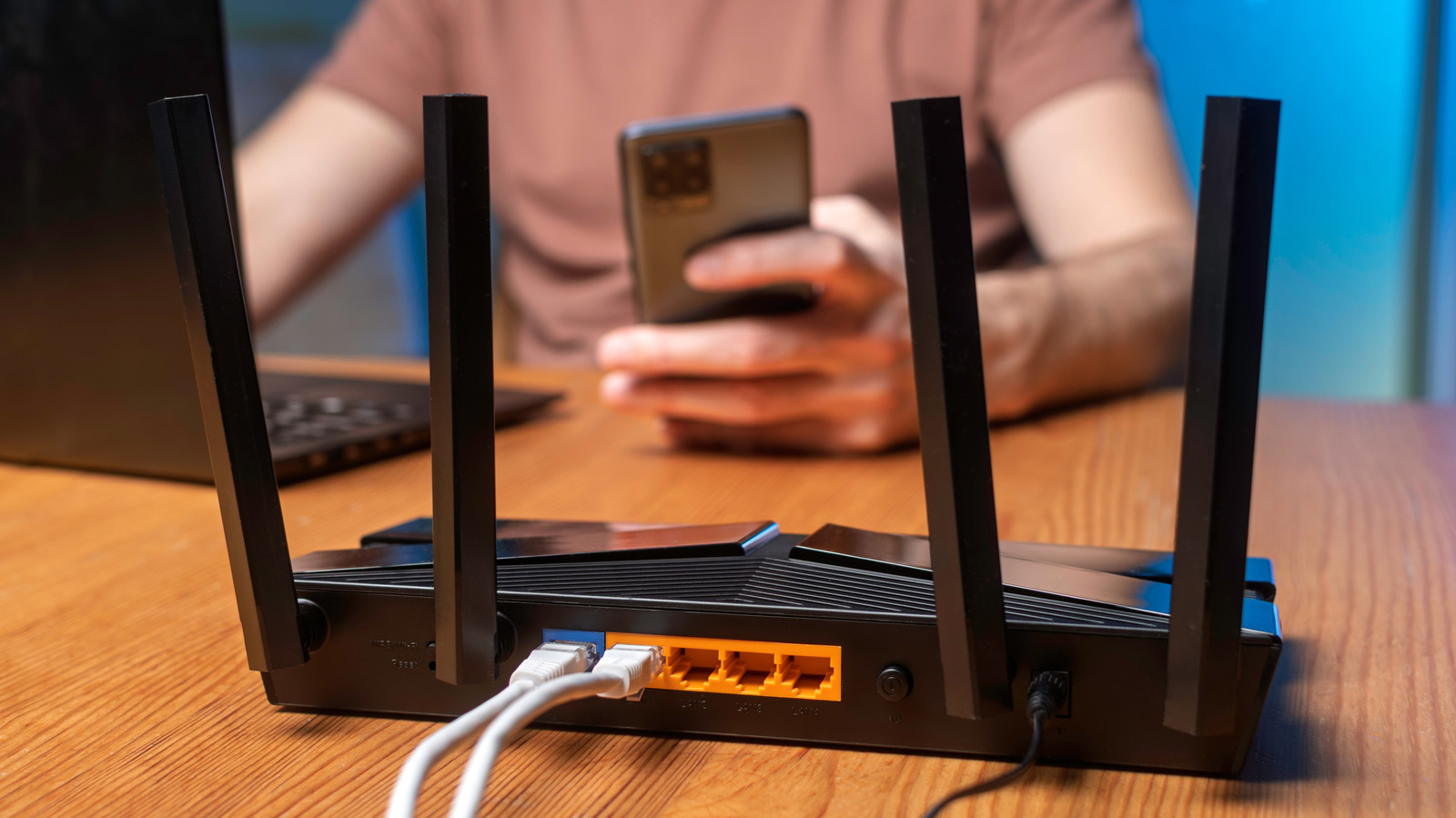
With households now packed with smartphones, tablets, laptops, smart TVs and a growing swarm of Internet‑of‑Things devices, many families are seeing their home internet feel sluggish or drop out entirely. The rise in simultaneous device use can tax ordinary consumer routers, causing video buffering, laggy gaming and broken video calls—even when the broadband plan hasn’t changed.
The root cause lies in the way most home routers hand out bandwidth: on a first‑come, first‑served basis. When dozens of gadgets vie for the same wireless channel, especially on the congested 2.4 GHz band, packet collisions rise and retransmissions add latency. Modern streaming, cloud backups and firmware updates all pull heavy data streams, and the router’s hardware often lacks the processing power to juggle them efficiently, creating a bottleneck at the access point.
Specialists recommend a handful of inexpensive tweaks to ease the pressure. Moving the router to a central, raised location cuts physical obstacles and spreads the signal more evenly. Switching to the 5 GHz band, when possible, opens up more channels and reduces interference from nearby networks. Turning on built‑in Quality of Service (QoS) lets users give priority to latency‑critical traffic such as video calls or gaming over background chores like software updates. Scheduling large downloads for off‑peak times and disabling automatic updates on devices that aren’t actively used can also liberate bandwidth.
For gear that needs a steady, high‑speed link, a wired Ethernet connection remains the gold standard and doesn’t add monthly costs. Simple steps like unplugging or powering down idle smart devices, updating the router’s firmware to the latest release, and periodically resetting the router can restore performance without buying new hardware. In many cases, these actions eliminate connectivity complaints without the expense of a pricier router.
Grasping how device density impacts home networks is becoming ever more crucial as remote work, online schooling and streaming turn into daily norms. While internet service providers may eventually roll out faster packages, a sizable number of households can enjoy smoother online experiences by fine‑tuning their current setup. As the tally of connected gadgets climbs, knowing these practical measures helps users keep their connections reliable without extra spending.



Comments (0)
Be the first to comment.
Join the discussion