Home Networks Must Shift to IPv6 as IPv4 Addresses Near Exhaustion
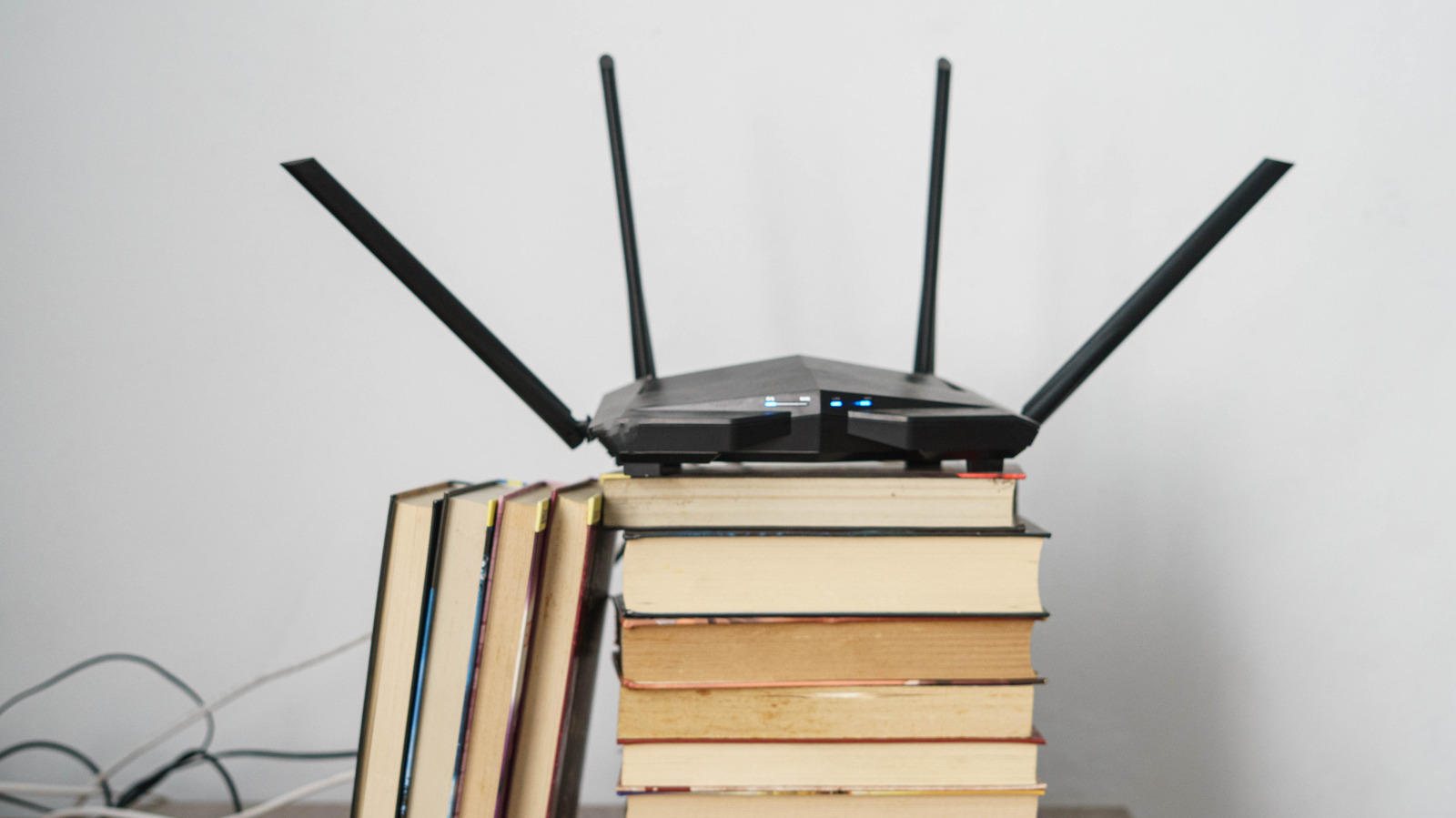
With the supply of IPv4 addresses rapidly shrinking, specialists warn that the newer internet protocol—IPv6—is becoming a necessity not only for data centers and telecom operators but also for everyday home routers and smart devices. Although IPv6 provides an almost unlimited pool of IP identifiers, its uptake in consumer gear is still patchy, driving a steady yet pressing transition in how households connect online.
IPv4, the protocol that has powered the public internet since the 1980s, offers roughly 4.3 billion distinct addresses. Decades of explosive device growth—from phones to IoT gadgets—have consumed the bulk of that pool, forcing costly solutions like Network Address Translation (NAT). By contrast, IPv6 expands the address space to 2^128 possible identifiers, a number astronomically larger than any foreseeable demand.
Even with this technical edge, many contemporary routers and appliances continue to default to IPv4, or list IPv6 merely as an optional feature. A recent survey of popular consumer devices found that less than half of the models tested advertised native IPv6 support without the need for firmware upgrades. This lag means that households enjoying high‑speed broadband may still face a compatibility hurdle, especially when accessing services that have already moved to IPv6‑only environments.
Internet service providers (ISPs) are a key factor in the migration. Some carriers have started assigning IPv6 prefixes to residential users, yet the rollout varies widely by region. In areas where IPv6 is enabled, users often notice no immediate performance boost, which can diminish the perceived urgency to replace equipment. Nonetheless, the long‑term advantages include a simpler network design, reduced dependence on NAT, and stronger security features built into the newer protocol.
Analysts caution that delaying IPv6 adoption could worsen connectivity problems as more devices come online. Smart‑home setups, which may involve dozens of sensors and controllers per home, will eventually outstrip the address capacity of NAT‑based schemes. Early adopters who have upgraded routers and verified firmware compatibility report smoother device discovery and fewer connection glitches.
Looking forward, networking professionals agree that IPv6 will become the default for new hardware, while legacy devices will be phased out or updated via software patches. Consumers can ready themselves by confirming IPv6 is enabled in their router settings, reviewing ISP documentation, and staying alert to firmware releases. As the internet’s core evolves, the shift to IPv6 promises to sustain growth, boost security, and eliminate the address scarcity that has limited innovation for years.



Comments (0)
Be the first to comment.
Join the discussion