Heat‑Loving Amoeba Grows at Over 140°F, Defying Known Thermal Limits
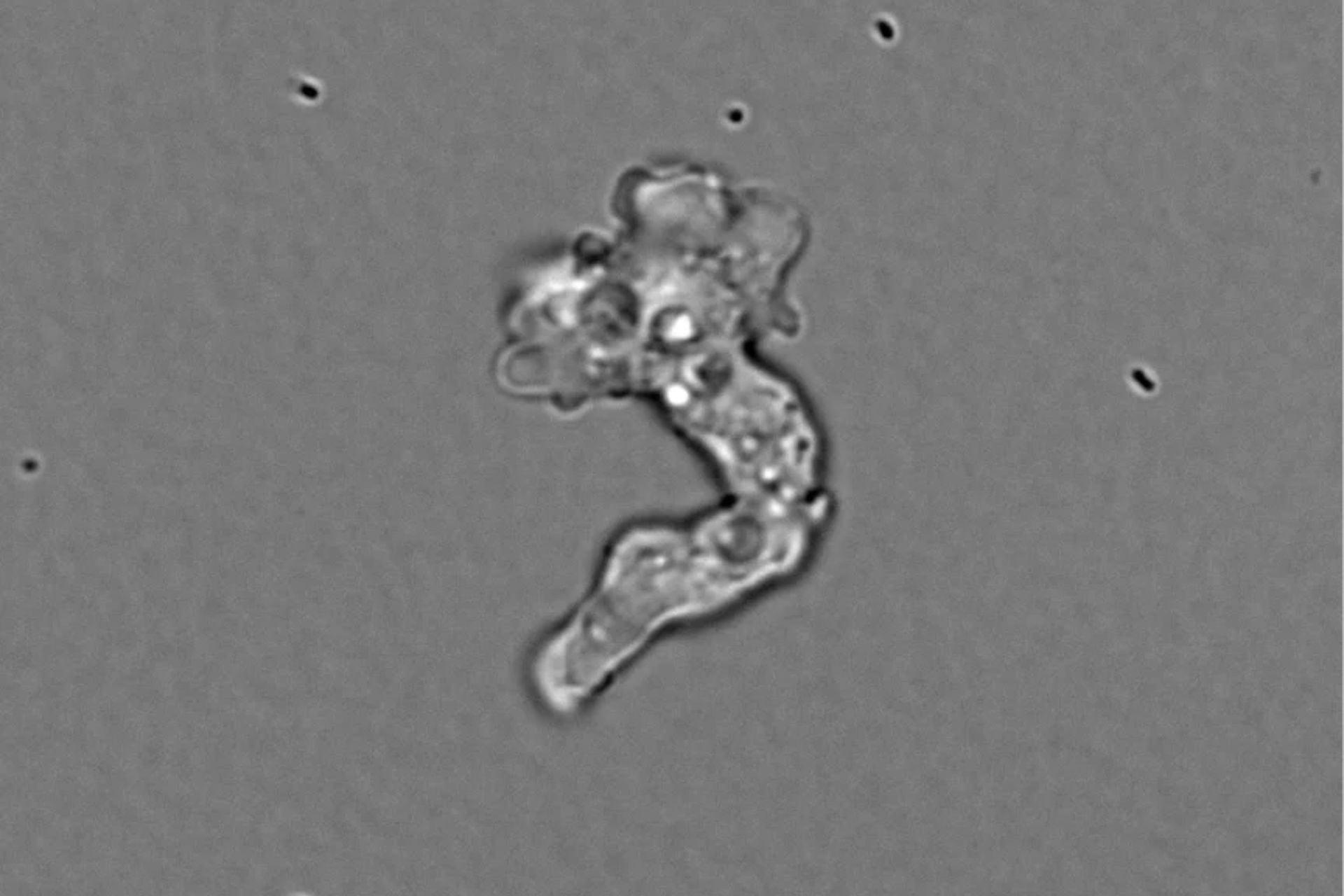
Researchers have uncovered a single‑celled creature, nicknamed the “fire amoeba,” capable of proliferating at temperatures above 140 °F— a level once thought intolerable for any complex organism. The species, formally designated Incendiamoeba cascadensis, was detailed in a new study that emphasizes its extraordinary capacity to keep metabolic processes running in environments that would normally unfold proteins in most eukaryotes.
The organism was retrieved from a scorching, high‑temperature setting where water consistently hits extreme temperatures. Although numerous bacteria and archaea already occupy harsh niches, finding a genuine amoeboid eukaryote flourishing under such heat upends long‑held beliefs about the maximum thermal ceiling for cellular life. Earlier studies indicated that most eukaryotic cells suffer irreversible injury above about 122 °F (50 °C), rendering this discovery particularly striking.
The significance of the fire amoeba reaches beyond mere classification. Investigating the molecular safeguards that preserve its cells—like heat‑resistant enzymes, unique membrane lipids, and strong DNA‑repair systems—could reveal how primordial life on Earth endured volcanic or hydrothermal conditions. Additionally, its hardiness may prove valuable to astrobiology, serving as a template for potential life forms on other planets or moons that host extreme heat, for example the tidally‑heated subsurface oceans of icy satellites.
Researchers warn that the ecology and possible uses of this organism are still largely mysterious. Current efforts aim to sequence its genome, map its protein apparatus, and assess its durability under different stresses. Should its heat‑resistant characteristics be exploitable, they could benefit industrial applications that need biocatalysts functioning at elevated temperatures, thereby cutting down on expensive cooling requirements.
Uncovering Incendiamoeba cascadensis highlights why probing neglected extreme environments remains crucial, as they repeatedly reveal life’s flexibility. Granting bodies have shown enthusiasm for backing more in‑depth research, and the investigators intend to run comparative analyses with other extremophiles to trace the evolutionary routes that confer such heat endurance. As scientists continue to explore the fire amoeba’s biology, the results may reshape our perception of life’s boundaries on our planet and elsewhere.



Comments (0)
Be the first to comment.
Join the discussion