Googlebook Debuts with Strong Build but Software Still Needs Maturing
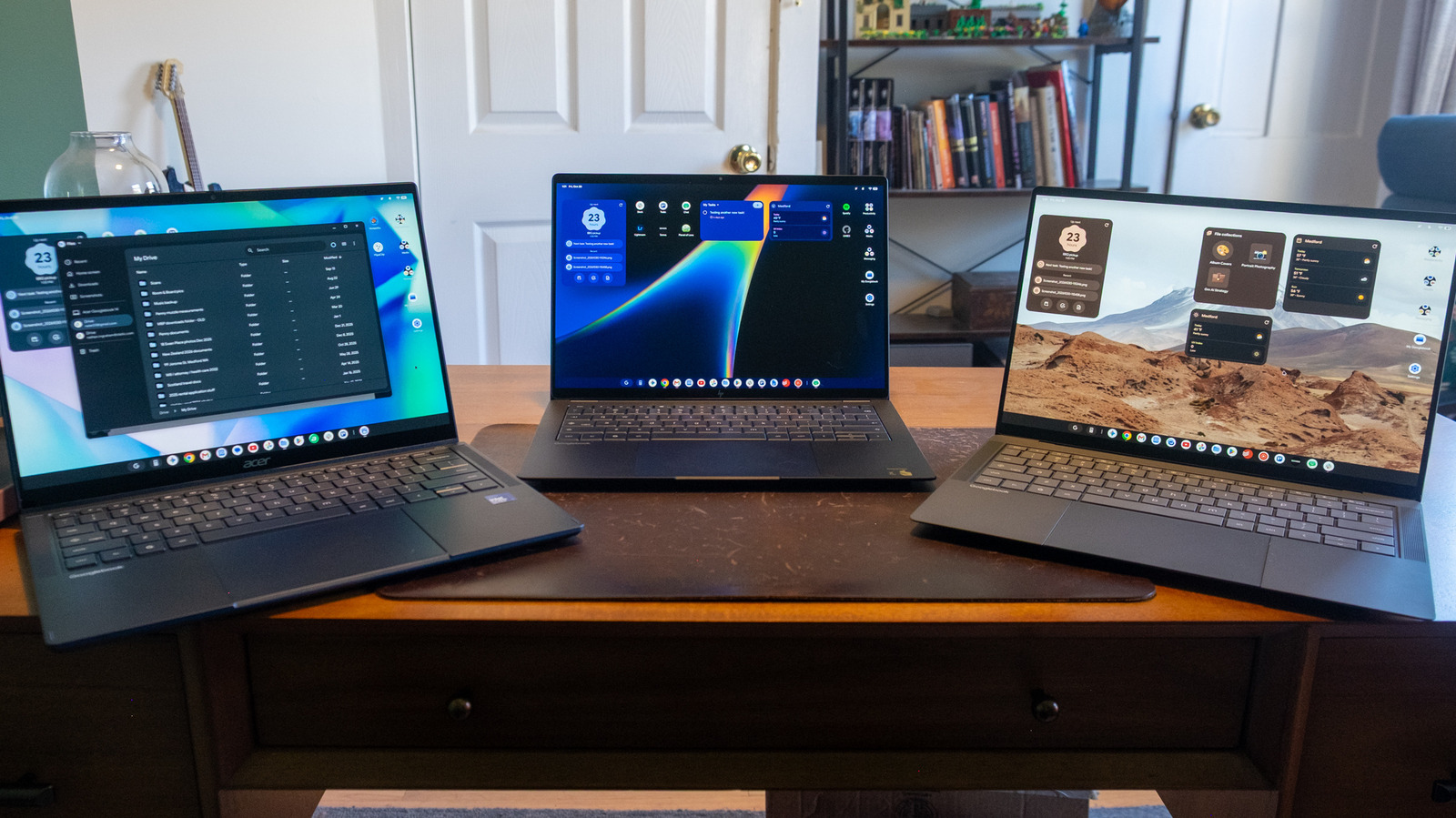
Google's newest laptop offering, the Googlebook, has attracted notice for its sturdy construction and stylish look, though reviewers say the bundled operating system falls short of expectations. Engadget's first hands‑on look praised the device's premium chassis, responsive keyboard, and vivid screen, while also calling out frequent glitches and a narrow range of compatible apps that could impede daily productivity.
The Googlebook runs a tailored version of Chrome OS, seeking to merge cloud‑centric simplicity with the versatility of a conventional notebook. Its hardware—boasting a high‑resolution display, rapid SSD storage, and an energy‑efficient processor—scores well in benchmark tests, yet the software layer shows lag during multitasking and when using offline applications.
Analysts view the machine as a piece of Google's wider push into education and remote‑work markets, where affordable, easy‑to‑manage devices are in demand. Still, present OS flaws such as erratic Bluetooth pairing and occasional crashes of native productivity tools could deter power users who rely on dependable offline performance.
Google has taken the criticism into account, promising a rollout of several software updates over the coming months. Engineering teams are said to be concentrating on stabilizing core services, widening native app support, and enhancing synchronization with Google Workspace. Should these upgrades arrive as pledged, the Googlebook may emerge as a more attractive rival to established Windows and macOS laptops.
At this stage, prospective buyers should balance the device's appealing hardware against the still‑evolving operating system. Early adopters who favor cloud‑focused workflows might find the Googlebook adequate, whereas users needing solid offline capabilities may wish to wait for the upcoming updates before committing.

Comments (0)
Be the first to comment.
Join the discussion