Fossil Tooth Chemistry Shows Cretaceous Dinosaurs Ate Seaweed
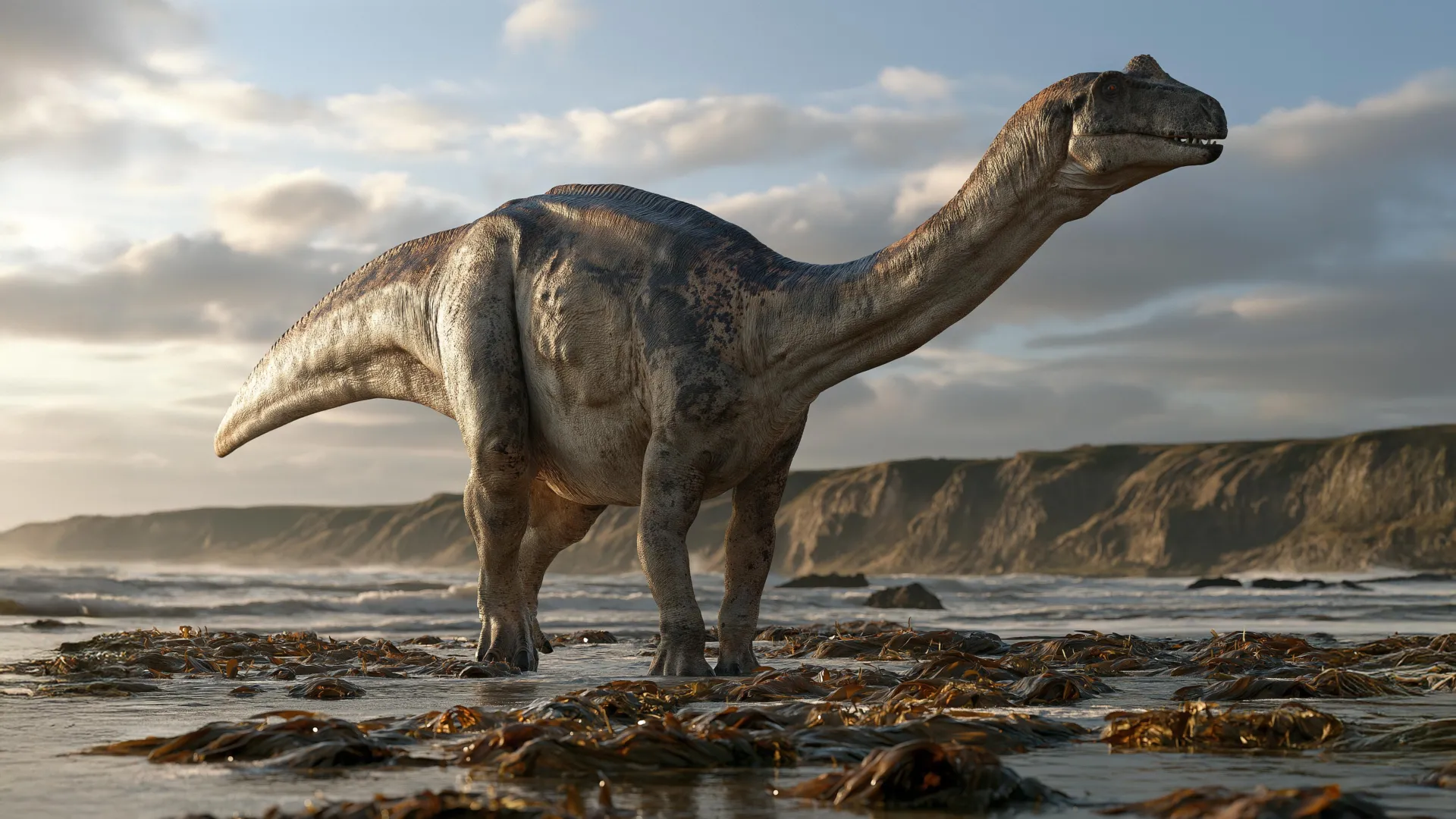
Recent chemical testing of fossilized teeth indicates that certain dinosaurs inhabiting coastal zones over 100 million years ago consumed seaweed and other marine plants, calling into question the long‑standing notion that these reptiles were exclusively land‑based herbivores.
Carried out by a collaboration of paleontologists and geochemists, the research inspected microscopic residues locked within the enamel of multiple well‑preserved fossils. Detection of biomarkers typical of marine algae led the scientists to conclude that these creatures habitually ate food derived from near‑shore environments.
Although dinosaurs are known for a wide spectrum of feeding habits—from gigantic carnivores to towering herbivores—most reconstructions of their diets depend on tooth morphology, wear marks, and the occasional fossilized stomach contents. The discovery of marine‑origin chemical markers introduces another layer, suggesting that certain species took advantage of the plentiful resources along prehistoric coastlines, where tidal flats and mangrove‑like settings would have fostered abundant seaweed growth.
The results dovetail with mounting proof that the Late Cretaceous landscape comprised a patchwork of linked habitats. Coastal floodplains, river deltas and shallow seas formed ecological corridors that brought land‑based and marine life into closer contact than formerly recognized. By widening their foraging scope to incorporate marine vegetation, dinosaurs could have secured nutritional benefits during times of seasonal food shortage on land.
The team warns that the chemical signatures do not identify a particular species, but rather suggest a wider trend among coastal dinosaurs and perhaps other reptiles of the era. Upcoming studies will try to match these biomarkers with distinct tooth shapes and locations, sharpening our grasp of how common this habit might have been. Should the pattern hold at more sites, it could overhaul Cretaceous food‑web models and underscore the adaptive versatility of dinosaurs in exploiting varied ecosystems.



Comments (0)
Be the first to comment.
Join the discussion