Farmers Push for Wildlife Intervention Amidst Bovine TB Devastation
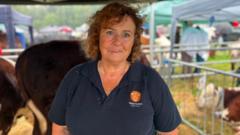
The persistent struggle against bovine tuberculosis (bTB) continues to plague agricultural communities, prompting a contentious debate over proposed wildlife interventions. Farmers, grappling with the devastating consequences of the disease, argue that these measures are essential to curb its spread, even as the proposals face significant opposition from other groups.
Bovine TB, an infectious disease primarily affecting cattle, presents an enormous challenge to livestock farming. Its presence necessitates strict disease control protocols, often leading to the culling of infected herds and movement restrictions, inflicting immense financial and emotional hardship on those whose livelihoods depend on their animals. The profound sense of loss experienced by farmers is often described as immeasurable, extending beyond mere economic figures to the very fabric of their farming heritage.
In their ongoing quest to mitigate the impact of bTB, agricultural stakeholders have put forward various proposals centered on managing wildlife populations thought to act as reservoirs for the disease. These interventions aim to reduce the transmission risk from wild animals to cattle, thereby protecting livestock and potentially reducing the need for widespread culling within farm animals.


Comments (0)
Be the first to comment.
Join the discussion