Experts Alert: Using One Earbud More Than the Other Cuts Its Longevity
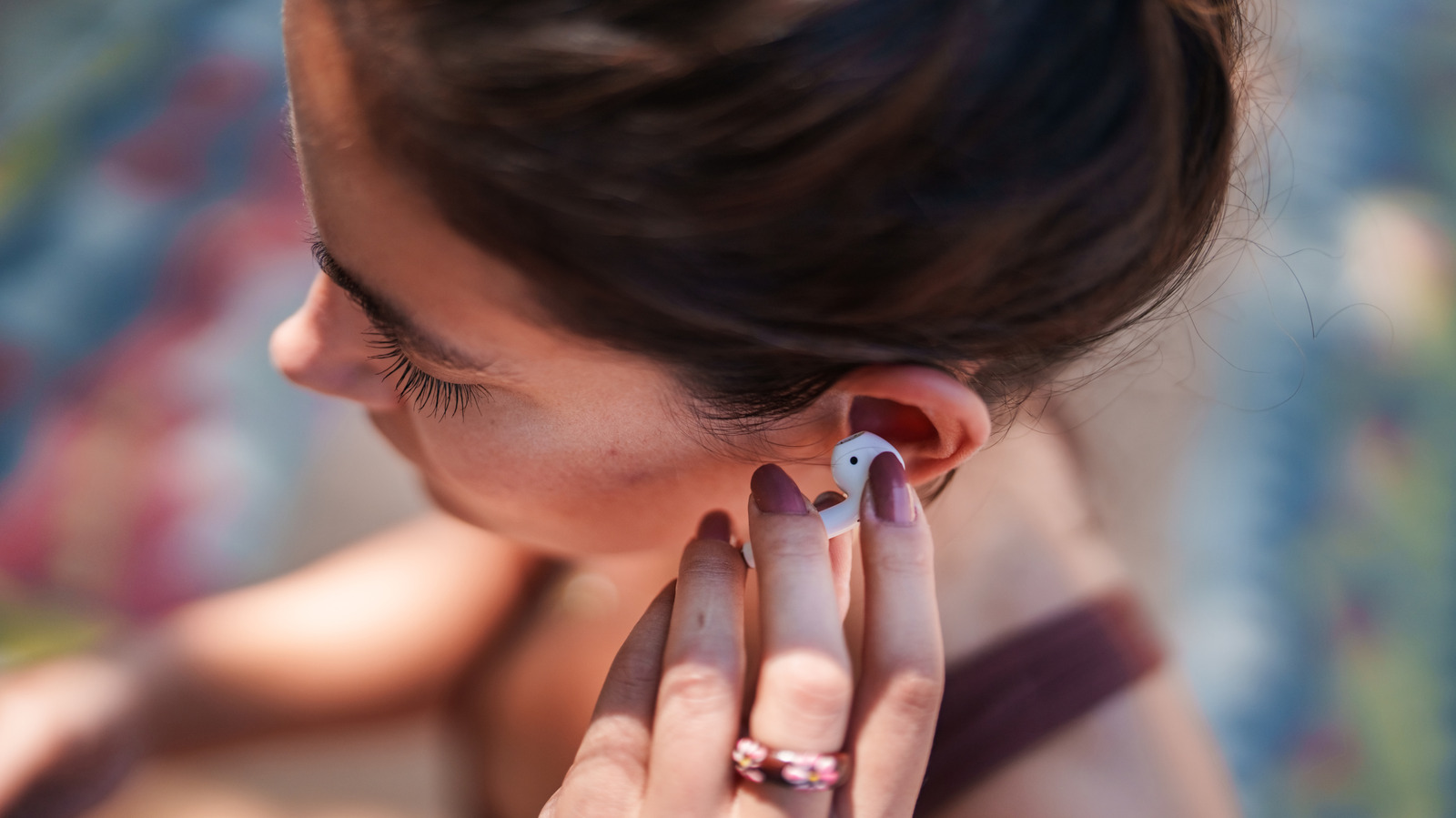
While it may seem handy to listen with just one earbud for long stretches, engineers warn that this habit can speed up deterioration and shorten the pair’s overall service life.
A lot of users gravitate toward one side while juggling tasks, handling calls, or simply finding one ear more comfortable. The tendency usually passes unnoticed as the other earbud stays unused, while the active one repeatedly faces mechanical strain, heat accumulation, and battery cycling.
Each earbud houses a fine‑tuned driver that turns electrical signals into audio, powered by a tiny battery. If one earbud runs nonstop, its driver diaphragm vibrates far more frequently, its seal against the ear canal meets increased moisture, and its battery undergoes extra charge‑discharge cycles. Consequently, the driver may lose clarity, the seal can wear down, and the battery’s capacity may diminish more quickly than the unused partner.
Manufacturers and analysts referenced by tech sites like Engadget point out that lopsided use causes “uneven aging” of the parts. Although warranties do not explicitly cover ear‑by‑ear wear, repair shops observe a greater rate of failures in the more heavily used earbud, particularly in models that share a single charging case and firmware between left and right.
To curb early wear, specialists suggest swapping ears often, keeping the earbuds in their case when idle, and taking short cooling breaks during extended listening. Certain newer models even feature software alerts that nudge users to switch sides, aiming to distribute wear evenly across the set.
In addition to personal hassle, uneven wear on earbuds adds to electronic waste, since people may swap out a single earbud or toss the whole pair when performance splits. Simple changes in how we use them can lengthen the useful life of our audio gear and lessen the environmental impact of constant replacements.



Comments (0)
Be the first to comment.
Join the discussion