Elevating SORLA Levels May Prevent Tau-Related Damage in Alzheimer’s
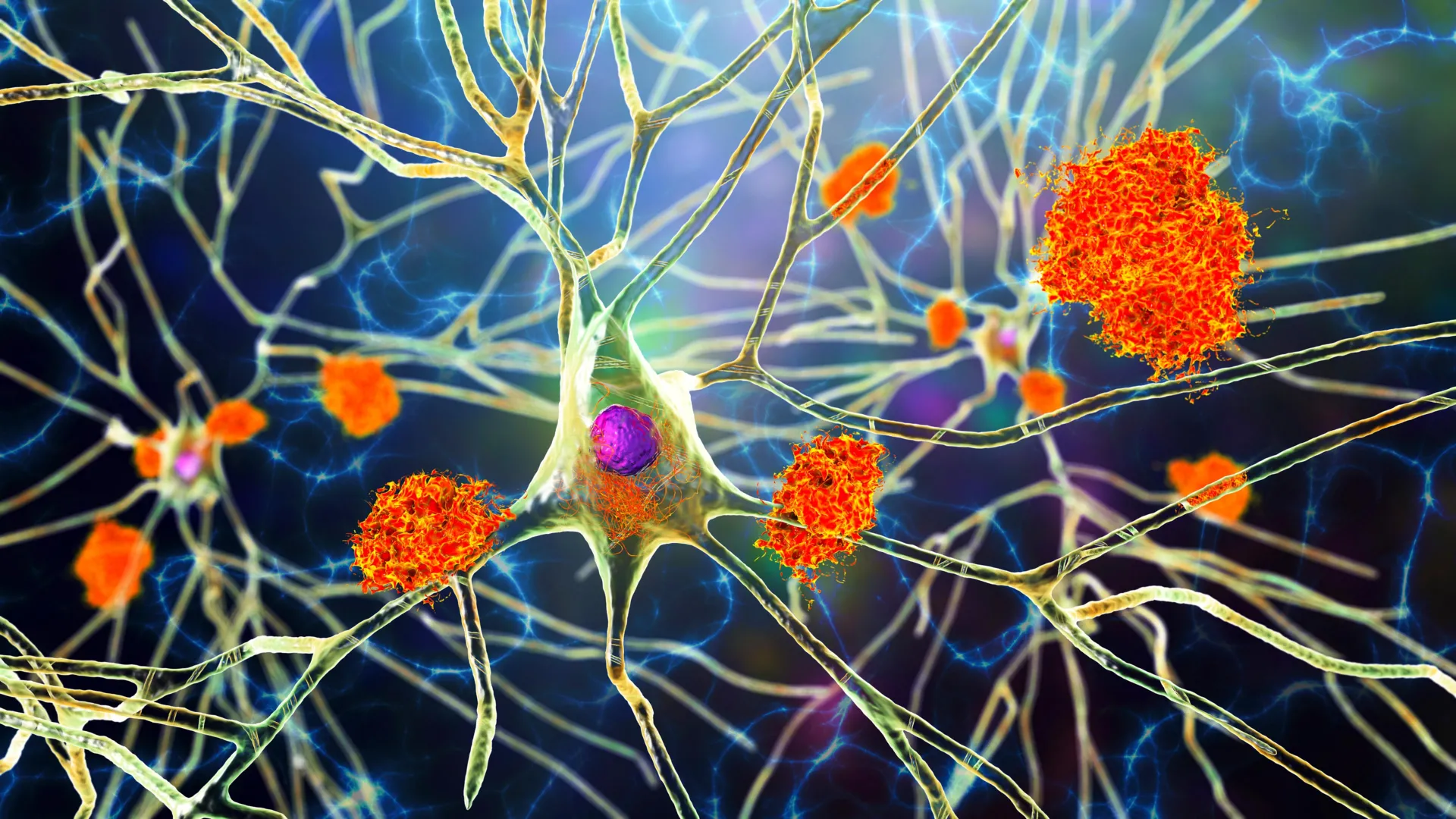
Scientists have pinpointed the endogenous protein SORLA, which seems to shield the brain from the characteristic alterations of Alzheimer’s disease, presenting a possible new therapeutic pathway.
In experimental work, raising SORLA concentrations produced a pronounced reduction in toxic tau tangles—misfolded protein clumps that impair neuronal signaling and are tightly associated with cognitive loss. This augmentation also maintained the health of synaptic junctions, where neurons transmit information.
The study adds to an expanding collection of data showing that intracellular‑trafficking proteins can modulate tau buildup. Boosting SORLA function allowed researchers to steer tau away from routes that foster aggregation, consequently easing the cellular stress that drives neurodegeneration.
Although these tests were performed in controlled environments—employing cell cultures and animal models that mirror essential features of human Alzheimer’s—the results highlight a mechanistic connection that drug developers could leverage. Potential treatments may seek to boost SORLA production or imitate its activity, possibly decelerating or averting tau‑driven disease progression.
This finding emerges as researchers look for options beyond amyloid‑centric therapies, which have produced inconsistent outcomes in trials. Directly addressing tau—and now a modulator of its processing—might supplement current strategies and expand the range of therapeutic tools.
The next phase will require moving these pre‑clinical insights into human investigations. Scientists must assess if drugs can safely elevate SORLA levels in the brain and whether such up‑regulation yields tangible clinical advantages for individuals with early‑stage Alzheimer’s.
Should these approaches prove effective, SORLA‑focused therapies could signal a move toward leveraging the brain’s intrinsic defenses, providing optimism for a condition that presently has no cure.



Comments (0)
Be the first to comment.
Join the discussion