DIY Arduino and AI Hack Enables 1994 Jeep Cherokee to Pass California Emissions Test
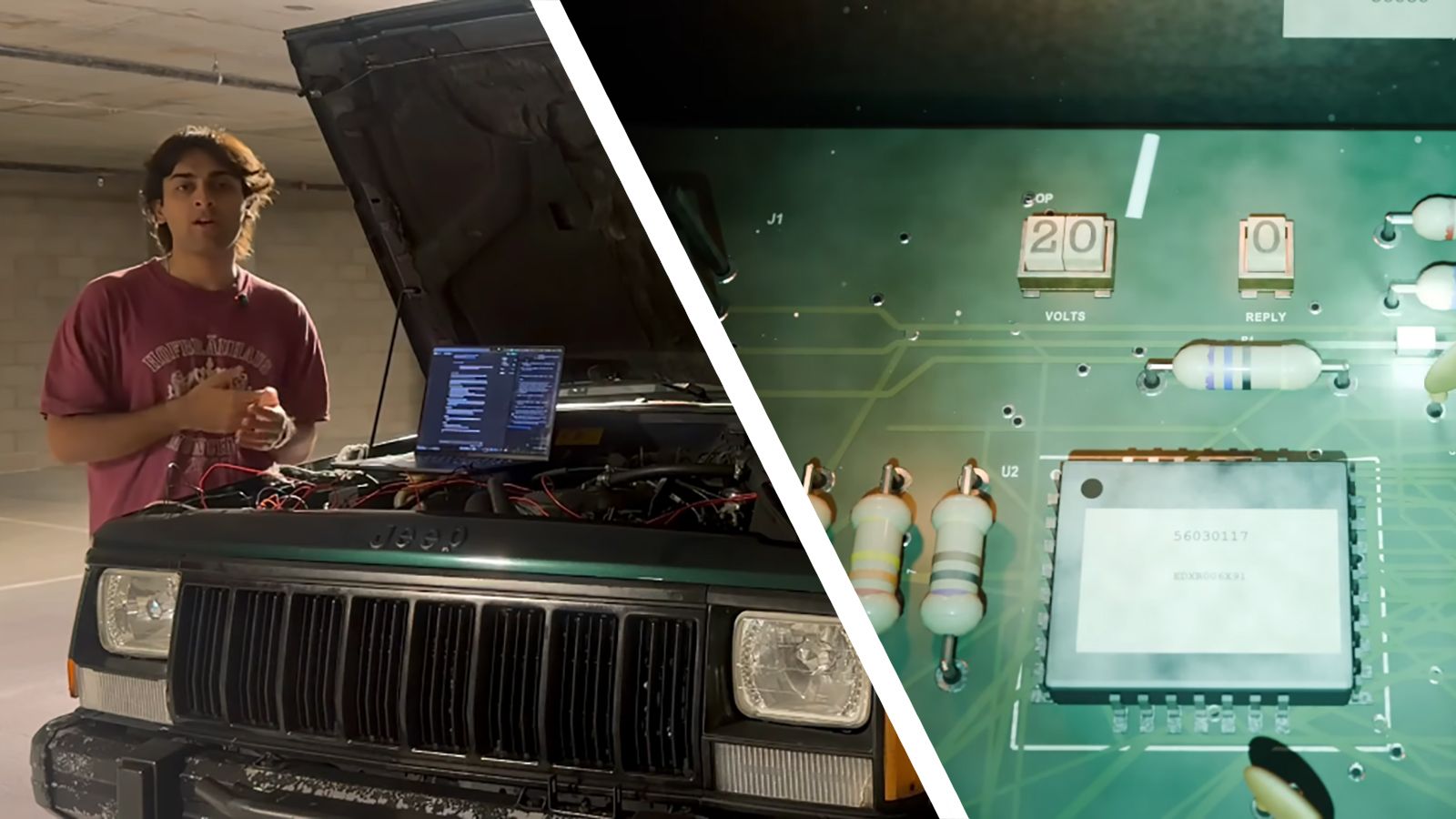
A hobbyist programmer succeeded in getting a 32‑year‑old Jeep Cherokee to pass California’s rigorous emissions test by coupling a low‑cost Arduino board with the Claude AI system, thereby reprogramming the vehicle’s onboard computer.
The 1994 Cherokee, which had repeatedly flunked the state’s smog check, exemplifies a typical problem faced by owners of vintage automobiles: antiquated engine control units (ECUs) that cannot easily satisfy today’s emissions requirements. Instead of swapping out the whole system, the programmer employed a three‑dollar Arduino and leveraged Claude to interpret the ECU’s proprietary code.
When diagnostic information was supplied to Claude, the AI produced a correspondence between the Jeep’s sensor readings and actuator commands. The programmer then coded the Arduino to sit between the ECU and the vehicle, inserting altered signals that adjusted fuel‑air mixture and ignition timing. This intervention enabled the Cherokee to satisfy the mandated hydrocarbon and carbon‑monoxide thresholds in the inspection.
Although the technique constitutes reverse engineering, the creator stressed that changes were limited to emission‑related settings and left performance aspects like power delivery and safety features untouched. The result illustrates how off‑the‑shelf hardware paired with sophisticated language models can prolong the service life of older cars amid increasingly strict environmental rules.
California’s emissions regime, among the strictest nationwide, typically compels owners of aging vehicles to either purchase expensive aftermarket kits or scrap the cars. The triumph of this do‑it‑yourself approach may motivate comparable projects, particularly for hobbyists and independent mechanics looking for low‑cost ways to achieve compliance.
Specialists warn that altering vehicle software can carry legal ramifications depending on local law, and any adjustments should be undertaken with full awareness of applicable regulations. Still, this example underscores a rising pattern of AI utilities aiding in intricate technical work once reserved for specialist engineers.
Going forward, the programmer intends to publish a step‑by‑step guide in an open‑source repo, offering a blueprint for other owners confronting comparable hurdles. Should the method gain traction, community‑based solutions could lessen the ecological footprint of early vehicle scrappage while delivering an inexpensive route to compliance.



Comments (0)
Be the first to comment.
Join the discussion