Apple’s Quick Five‑Minute AirPods Pro Hearing Test Raises Questions About Accuracy
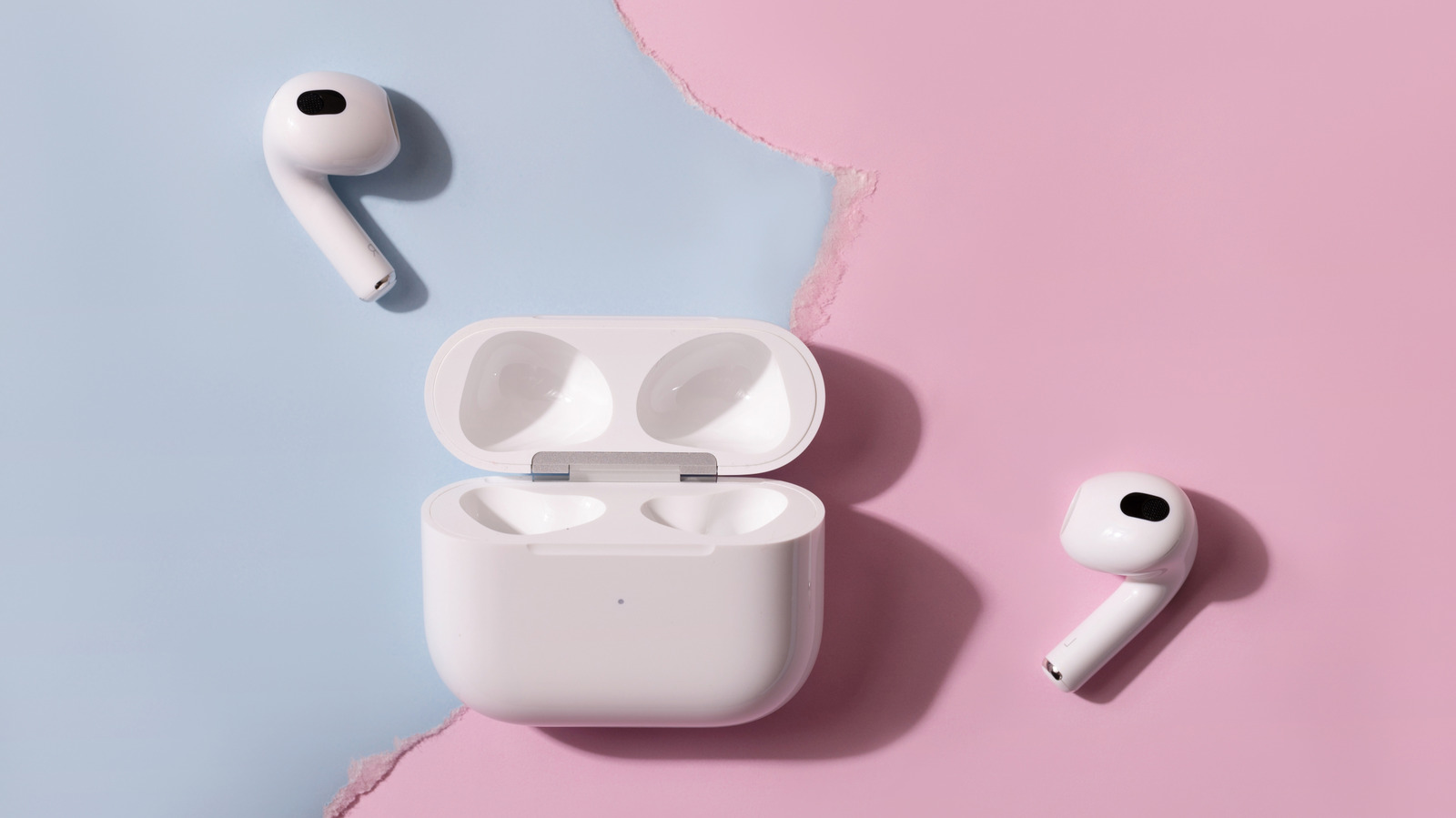
Apple has added a built‑in hearing assessment to its newest AirPods Pro that can be finished in about five minutes, letting users check their auditory health straight from an iPhone or iPad. Launched with iOS 17, the feature walks listeners through a series of tones of varying frequencies and volumes before displaying a simple pass‑or‑fail result on the screen.
Apple states that the test follows an industry‑recognized standard employed in clinical audiometry, using the same frequency spectrum and decibel increments that audiologists rely on for basic screenings. The implementation takes advantage of the AirPods’ calibrated microphones and drivers—already optimized for high‑fidelity playback—to emit the test tones with consistent accuracy.
Even with this technical foundation, several variables can compromise result reliability. The shape of the ear canal, how tightly the AirPods fit, and surrounding background noise may all alter the perceived loudness of the tones. Users unfamiliar with hearing‑test procedures might also answer incorrectly, while conditions such as earwax buildup or middle‑ear infections can lead to false‑positive or false‑negative outcomes.
Medical experts warn that the AirPods screening should be seen as an initial check rather than a definitive diagnostic tool. “It’s useful for raising awareness, but it cannot replace a comprehensive audiological evaluation,” said a licensed audiologist who examined the feature. The fast, convenient format could motivate individuals who have never been tested to pursue professional care if the app signals a possible issue.
Looking ahead, Apple could improve the algorithm by adding user‑specific calibration data or by prompting retests in quieter settings. For now, the company recommends anyone receiving an abnormal result to consult a qualified hearing specialist. As wearable devices continue to blur the line between consumer gadgets and health monitors, the AirPods Pro hearing test highlights both the potential and the constraints of at‑home health assessments.

Comments (0)
Be the first to comment.
Join the discussion