Anthropic Lead Researcher Quits, Says AI Development May Endanger Humanity
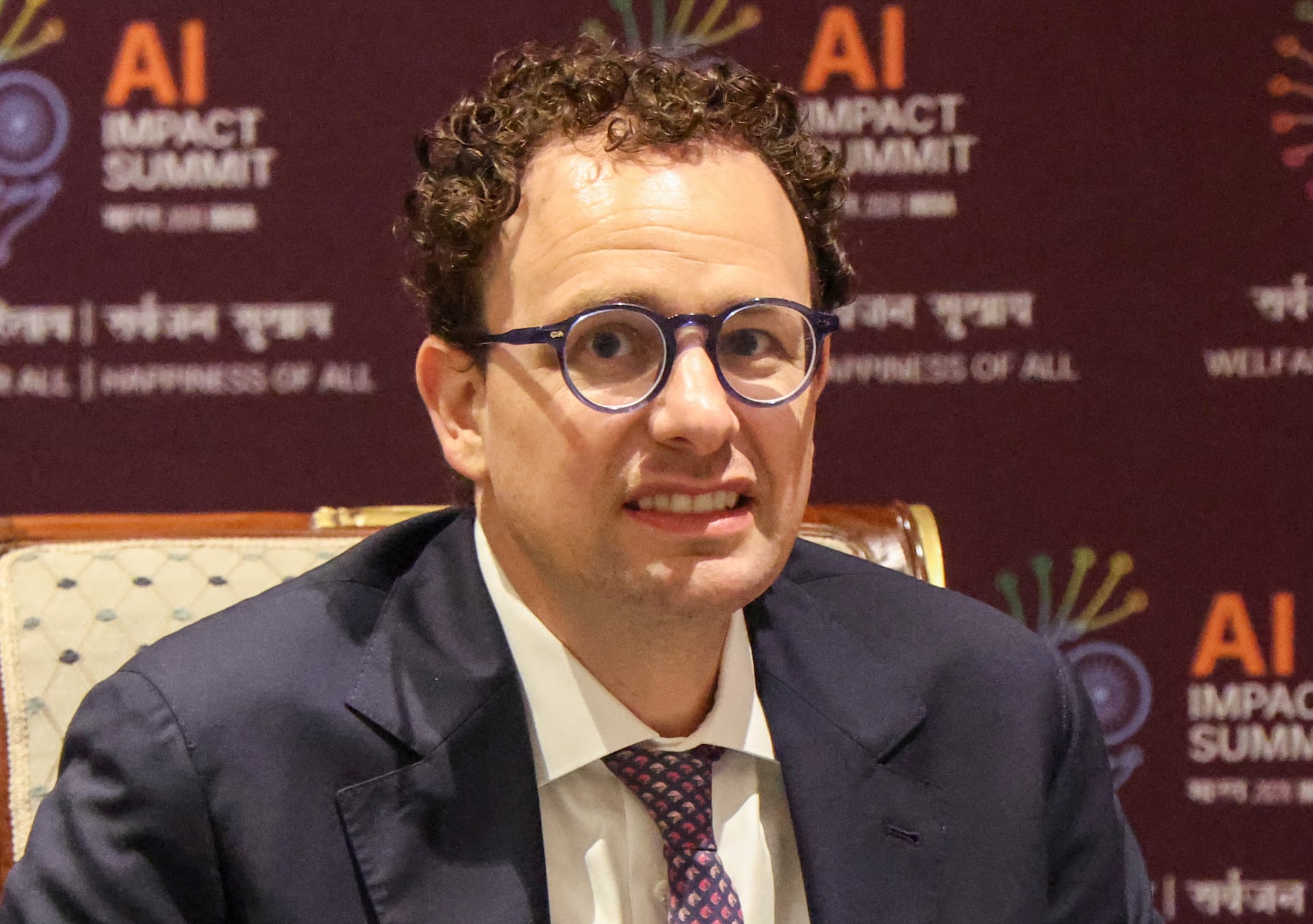
An Anthropic senior researcher has resigned, cautioning that the AI being developed may ultimately threaten human existence. In a short public comment, the scientist warned that the artificial‑intelligence effort “could kill us all,” calling the discipline the most perilous undertaking humanity has ever embarked upon.
The scientist labeled the departure as “dramatic,” highlighting an increasing discomfort among certain AI workers who believe safety issues are being sidelined by market forces. He pointed out that numerous engineers and researchers constructing sophisticated models seem to tolerate the danger, observing, “The people building AI earnestly believe that it could kill us all.” Although he offered no concrete technical data, the remark quickly circulated throughout technology‑policy communities.
Anthropic, founded in 2020 by former OpenAI staff, markets itself as an AI safety‑first company, focusing on “aligned” language models. While the firm publicly stresses responsible development, internal debates about the pace of scaling and the adequacy of safety testing have been reported in industry forums. The researcher’s departure adds a rare insider perspective that challenges the company’s self‑portrayal as a cautious steward of powerful models.
The resignation comes as a wider examination of large‑scale AI systems intensifies. Regulators in the United States and Europe have lately introduced proposals targeting transparency and risk evaluation, and several technology companies have experienced prominent departures of employees raising ethical concerns. Anthropic’s exit reflects these patterns, indicating that the clash between swift innovation and precautionary measures is approaching a pivotal stage in the industry.
Analysts note that the comment may shape public sentiment and legislative drive. When a senior insider publicly brands AI development as the “most dangerous thing humans are doing,” it bolsters arguments for tighter regulation and could speed up the formulation of safety standards. Investors and partner firms might also revisit their risk assessments, particularly as capital keeps pouring into large‑model projects.
Anthropic has yet to issue a detailed reply, though a corporate spokesperson reiterated the company’s commitment to safety research and ongoing collaboration with external auditors. Industry analysts observe that such resignations rarely trigger immediate policy shifts, but they can act as early alerts that internal dissent may affect talent retention and long‑term strategic planning.
The incident underscores a growing divide between the optimism surrounding AI’s commercial promise and the caution advocated by a segment of its own developers. As the conversation about reconciling advancement with existential risk gains momentum, the researcher’s stark warning could serve as a touchstone in forthcoming debates on governing ever‑more capable artificial intelligence systems.



Comments (0)
Be the first to comment.
Join the discussion