Wireless Headphones Offer Tactile Bass, Merging Sound with Sensation
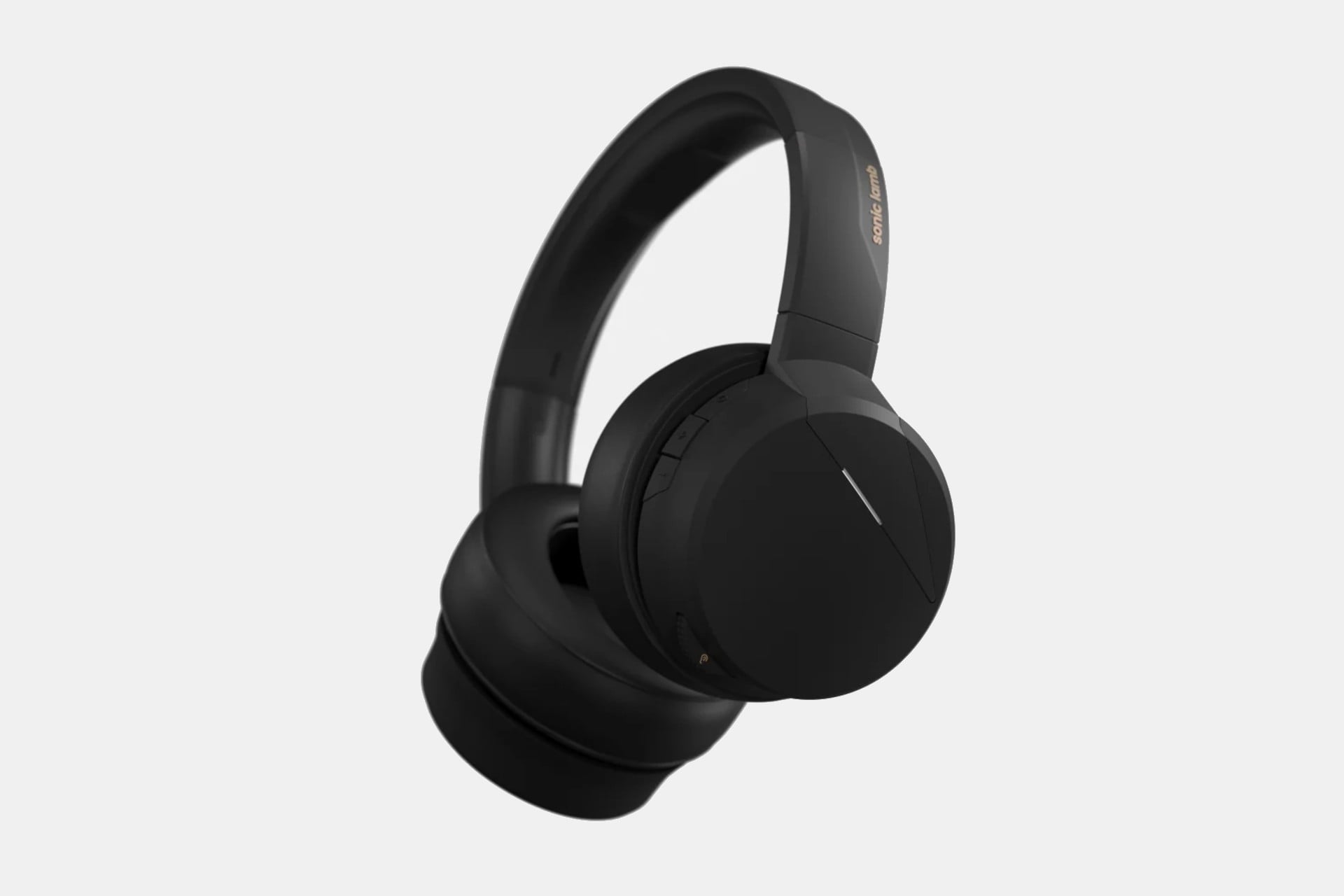
A fresh pair of wireless headphones has entered the market boasting a distinctive claim: its low‑frequency output can be sensed as a tangible vibration on the listener’s face, merging hearing with touch.
These units pair conventional Bluetooth links with integrated haptic transducers that turn bass tones into gentle pulses. Equipped with sizable drivers and a tuned housing, they strive to retain audio fidelity, while the haptic mechanism aligns the vibrations with the music’s rhythm, delivering a “feel‑the‑beat” sensation without requiring an extra wearable.
Tactile audio isn’t a brand‑new concept; gamers and virtual‑reality fans have for years employed haptic controllers and vests to inject physical cues into digital settings. Yet embedding this technology straight into consumer headphones signals a move toward broader acceptance, as makers aim to set their offerings apart in a crowded marketplace.
Initial reactions from tech publications, such as a feature on Gizmodo, underscore the novelty of this method. Critics observe that the effect becomes most evident at louder volumes, with bass actually perceptible against the cheekbones. Although the novelty is compelling, reviewers agree that a balanced performance is required—crisp mids and highs are still vital for routine listening.
The rollout of haptic bass may impact multiple audiences. Music fans might enjoy a deeper immersion for bass‑driven genres, and fitness buffs could gain rhythmic cues that match their workout pace. Simultaneously, gamers may be drawn to a portable option that replicates the tactile feedback of specialized gaming headsets.
Obstacles persist, especially concerning battery endurance. Powering both the audio drivers and the haptic actuators consumes more energy than conventional headphones, which could reduce the interval between charges. Comfort also poses a question; the extra components add weight, and prolonged vibration might become bothersome for certain users.
Industry observers will monitor consumer reaction to this fusion of sound and touch. Should tactile bass gain traction, a surge of comparable devices could emerge, each tweaking the equilibrium of audio fidelity, haptic strength, and ergonomic practicality. At present, the headphones provide a preview of a future where listening involves both feeling and hearing.



Comments (0)
Be the first to comment.
Join the discussion