Why PC and Console GPUs Differ in Design and Impact
When players stack the visual capabilities of a custom‑built PC against those of a current‑generation console, the graphics processor emerges as the decisive element. Both systems depend on GPUs to draw frames, yet the chips’ architecture, integration method, and support differ markedly, influencing performance, cost and the overall user experience.
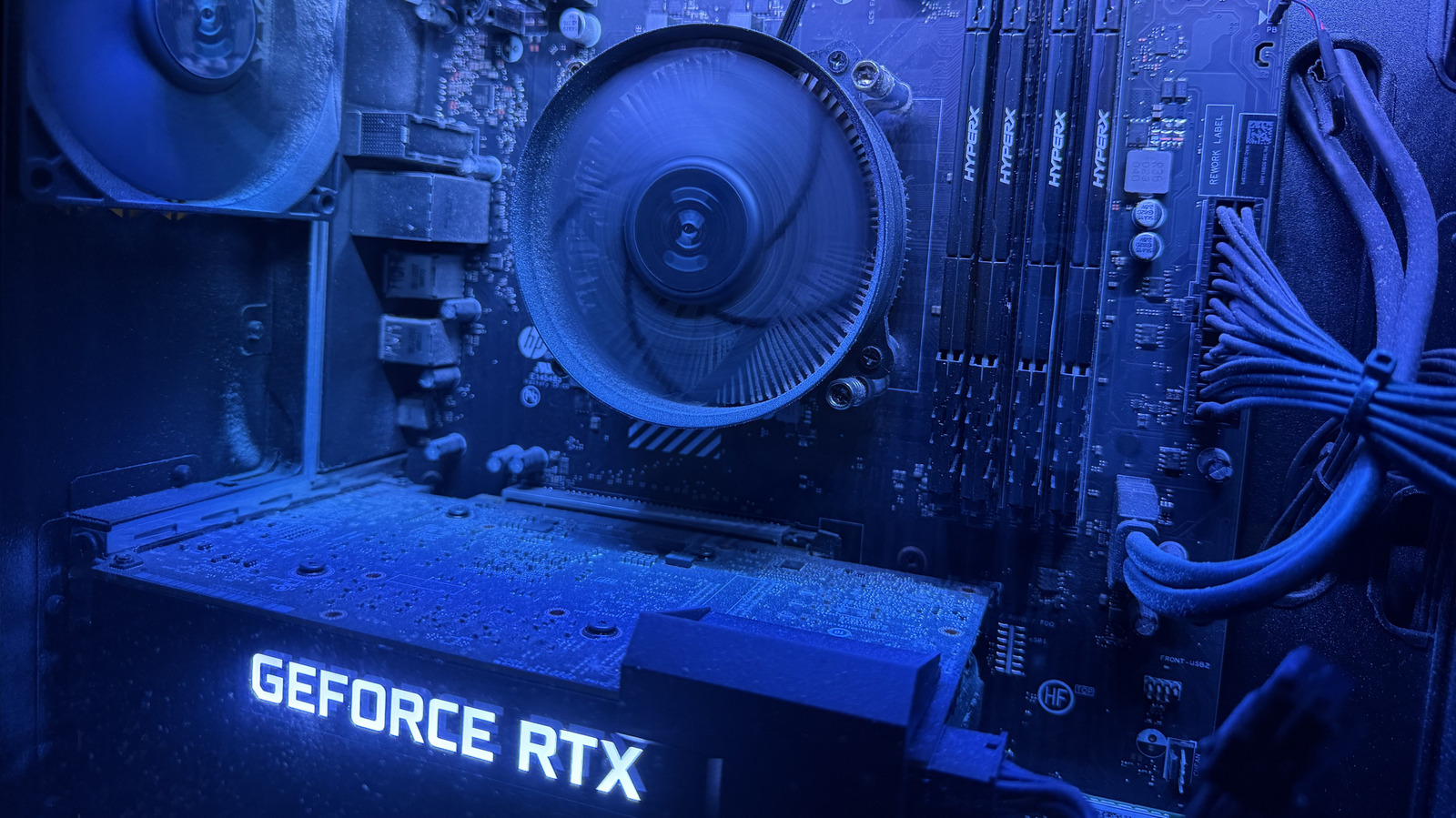
PC graphics cards arrive as standalone units that slot into a standard motherboard connector. This modular scheme permits manufacturers to cram numerous compute cores, expansive memory buses and fast GDDR6 or HBM memory onto a single board, often delivering raw power that surpasses the fixed silicon found in today’s consoles, particularly at the high‑end. Console GPUs, by contrast, live inside a system‑on‑chip (SoC) that merges the CPU, GPU and assorted controllers on one die, emphasizing efficiency, power draw and a compact footprint rather than sheer speed.
From a developer’s angle, the unchanging nature of console hardware offers a clear benefit. Studios know the exact specifications they will face for the console’s entire lifespan, enabling them to fine‑tune rendering pipelines, shader code and memory usage for that specific GPU. PC developers, however, must cater to a wide array of graphics cards, driver releases and OS updates, which yields broader compatibility but limits the depth of hardware‑specific optimization. This compromise shows up in how patches and performance adjustments are delivered across the two ecosystems.
For shoppers, the contrast translates into different buying decisions. A console delivers a plug‑and‑play experience at a predictable price, with its GPU’s capabilities locked in and balanced against the rest of the system. Building or upgrading a PC, on the other hand, requires selecting a GPU that matches the other components, budgeting for potentially higher power consumption, and planning future upgrades as newer titles demand more graphical muscle. While this flexibility can produce better performance‑per‑dollar over time, it also adds complexity and higher upfront expense for many users.
Looking forward, the gap between the platforms keeps narrowing. The newest console generation employs AMD’s RDNA 2 architecture—a design also present in many high‑end PC graphics cards—shrinking the performance difference. Simultaneously, advances in APIs such as DirectX 12 Ultimate and Vulkan give PC developers tools to squeeze more efficiency from their hardware, echoing the console’s focus on low‑level optimization. Nonetheless, the core distinction—modular, upgradeable GPUs versus integrated, fixed‑spec GPUs—will stay a pivotal factor shaping how games are crafted and experienced.



Comments (0)
Be the first to comment.
Join the discussion