Why Numerous iPhone Apps Don't Appear on Apple CarPlay
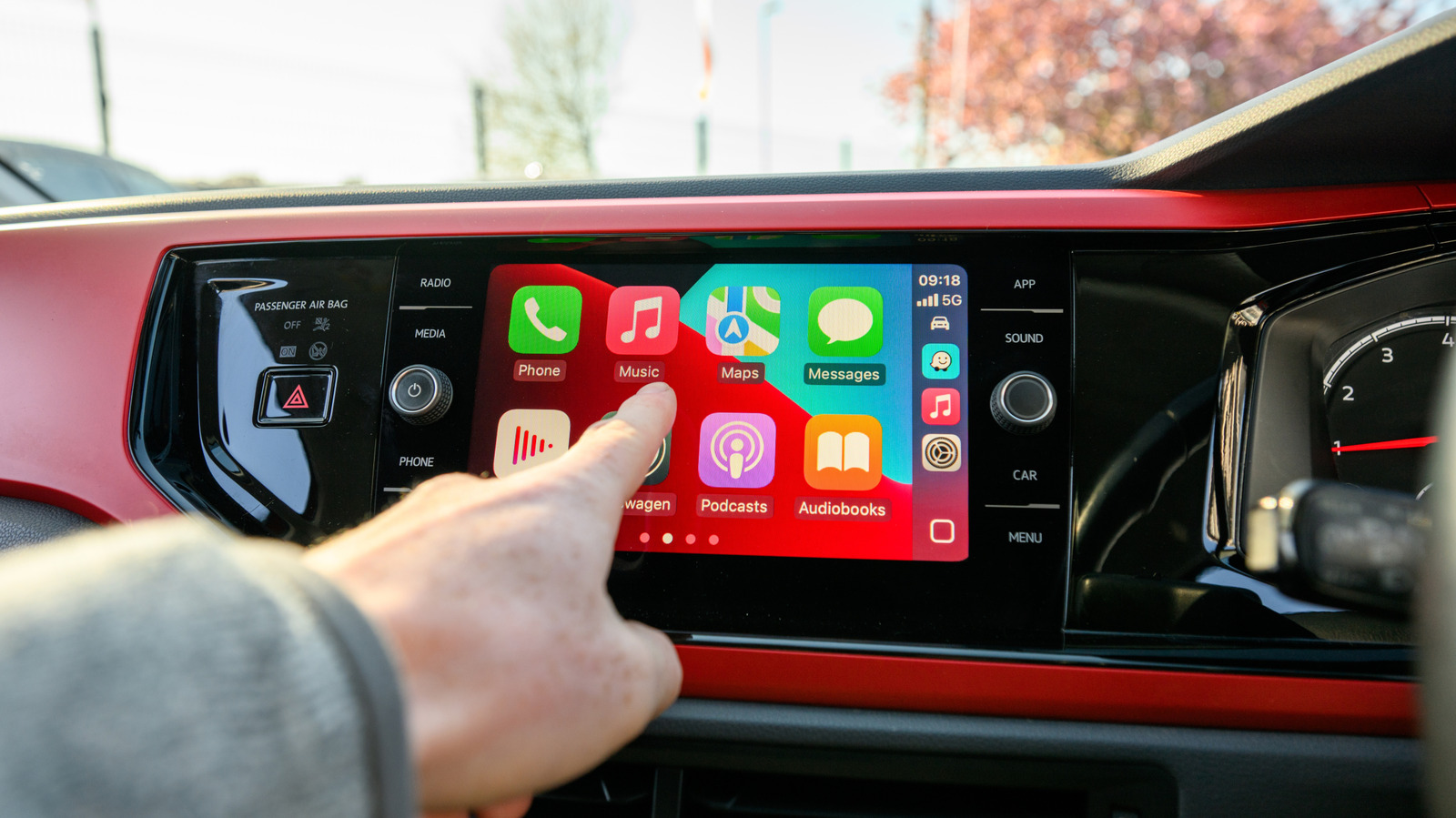
When motorists hook their iPhone up to a head unit that supports Apple CarPlay, they frequently notice that just a small portion of the phone’s installed apps show up on the car’s screen. This shortfall isn’t a bug—it results from intentional technical and policy decisions that dictate which programs are permitted to operate within the vehicle’s interface.
Introduced in 2014, CarPlay was designed to bring a restricted, driver‑centric UI to the iPhone, prioritizing safety and low distraction. At first, Apple made the system available only to a limited range of categories—navigation, audio streaming, messaging and a handful of utilities—each built to be usable through voice prompts, steering‑wheel buttons, or a pared‑down touchscreen.
Developers wishing to be included must implement the CarPlay framework and overhaul their UI to satisfy rigorous human‑machine interaction standards. The framework removes much of the visual richness found on a phone, demanding large icons, brief text and a voice‑first approach. Applications that cannot be reworked to meet these limits, or whose primary functions do not match the narrow interaction set, are excluded.
Apple further subjects every CarPlay submission to a review that verifies adherence to safety standards, local regulations and licensing terms. Since the platform operates on a car’s infotainment hardware, Apple needs to confirm that third‑party apps will not disrupt essential vehicle functions or distract the driver. Consequently, even widely used iPhone apps may never gain CarPlay compatibility if they fail to satisfy Apple’s requirements.
In practice, this means that numerous common apps—social media, productivity suites, or specialized utilities—are reachable solely on the iPhone. Although a driver may invoke a messaging app through Siri, the complete interface will not appear on the CarPlay display unless the developer supplies a specific CarPlay extension. Hence, most games, photo‑editing tools and some streaming services are missing from the dashboard.
Observers in the industry point out that Apple has slowly expanded CarPlay’s capabilities with every iOS update, introducing support for podcasts, audiobooks and even select third‑party messaging apps. Analysts anticipate further growth as car manufacturers equip vehicles with stronger hardware and regulators grow comfortable with more feature‑rich in‑car experiences. Still, any new category must clear Apple’s safety and design assessments before it can be delivered to drivers.
Grasping the reasons behind an app’s absence on CarPlay sets realistic consumer expectations and highlights Apple’s effort to balance connectivity with road safety. As the platform matures, the roster of supported apps is expected to expand, yet the core prerequisite—adapting to a stripped‑down, voice‑centric UI—will continue to act as the gatekeeper for any iPhone app aiming for the car’s screen.



Comments (0)
Be the first to comment.
Join the discussion